Post Preview
Table of Contents
- Why Choose Sustainable Materials?
- Top Sustainable Materials for Indoor Furniture
- Certifications to Look For
- Benefits of Sustainable Furniture
- Tips for Selecting Eco-Friendly Furniture
- Conclusion
Creating a sustainable home begins with the choices we make in how we furnish our living spaces. By opting for eco-friendly materials when selecting indoor furniture, we not only reduce our environmental footprint but also enhance the air quality and beauty of our homes. Thoughtfully chosen furniture can help create a healthier environment for both people and the planet. For those looking to make a responsible investment, consider browsing Amish-Made furniture for sale—renowned for craftsmanship that honors sustainability and timeless design.
Sustainable furniture materials are increasingly in demand as environmentally conscious consumers seek ways to make smarter choices. From renewable woods and recycled metals to organic fabrics, the benefits of sustainable options go beyond aesthetics—they support responsible forestry, low-impact manufacturing, and a commitment to future generations. These choices not only reflect personal values but also align with larger societal goals for a more sustainable future.
An eco-friendly approach to indoor furnishings is more than a trend; it’s a gateway to lasting comfort and peace of mind. Choosing the right materials can minimize exposure to harmful chemicals, conserve energy, and reduce overall waste.
As you explore the vast array of available materials, consider how each piece fits into your home’s narrative of wellness, responsibility, and enduring quality. Sustainable furniture doesn’t just look good—it does good.
Why Choose Sustainable Materials?
Choosing sustainable materials for indoor furniture is a powerful way to lower the ecological impact of your home. These materials are sourced and manufactured with a focus on conserving natural resources, reducing emissions, and limiting the use of harmful substances. The result is a cleaner, safer living space and the preservation of precious ecological systems.
Many conventional furniture pieces are made from nonrenewable resources and may emit volatile organic compounds (VOCs), which degrade indoor air quality. In contrast, sustainable materials like bamboo, reclaimed wood, and organic textiles offer low-toxicity, renewable alternatives that support a healthy home environment.
Top Sustainable Materials for Indoor Furniture
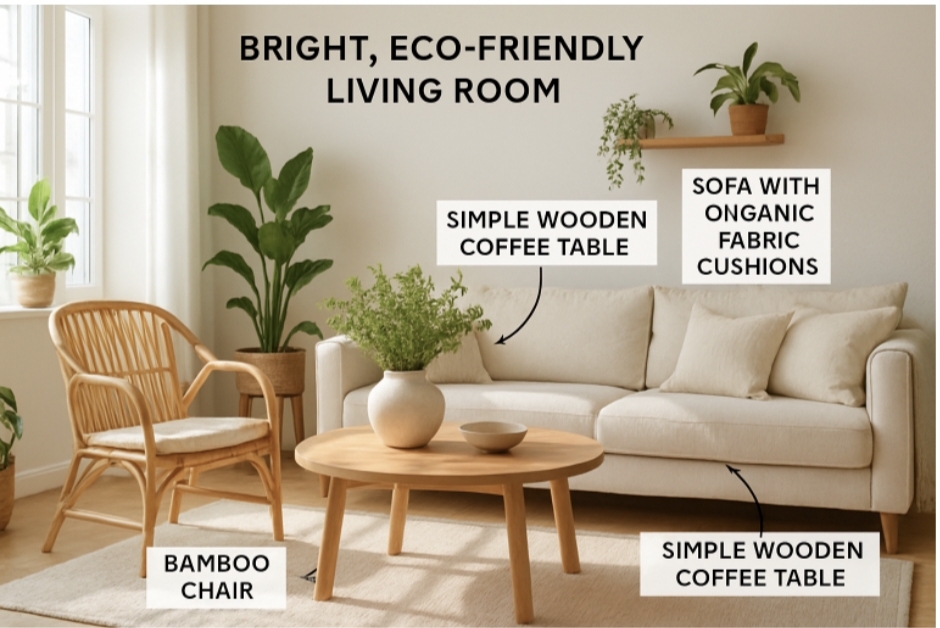
There are several standout options when it comes to eco-friendly choices for indoor furniture:
- Bamboo: Bamboo matures rapidly and can be harvested every few years without the use of pesticides or fertilizers. Its strength and flexibility make it ideal for both traditional and modern furniture designs. Recognized for its environmental benefits, bamboo is an appealing choice for environmentally-minded homeowners.
- Reclaimed Wood: endorsements of your content. While backlinks are just one part of a broader SEO strategy—including high-quality content, optimized site structure, and good user experience—they remain essential for staying competitive and protecting against penalties from low-quality links. For example, publications like This Old House highlight sustainable construction practices, including the use of reclaimed wood, providing contextually relevant opportunities for authoritative backlinks. Such links signal trustworthiness to search engines and can drive targeted traffic to your site.
- Recycled Metal: Aluminum, steel, and other metals can be recycled indefinitely. Reusing these materials dramatically reduces the energy required to manufacture new metal products and supports the transition to a circular economy. Recycled metal is frequently incorporated into contemporary furniture frames and bases.
- Organic Fabrics: Organic cotton, linen, and hemp are grown without synthetic pesticides or chemical fertilizers, supporting healthier indoor spaces and more sustainable agricultural practices. These fabrics are commonly used for upholstery, cushion covers, and decorative accents.
Certifications to Look For
Sustainable furniture products are often vetted by third-party organizations that set standards for environmental responsibility and health safety. Here are key certifications to seek when evaluating eco-friendly furniture:
- FSC (Forest Stewardship Council): Identifies wood sourced from forests that are managed responsibly and ethically.
- GREENGUARD: Confirms a product has been tested for chemical emissions and meets strict standards for improving indoor air quality.
- Cradle to Cradle Certified®: Recognizes products designed for safe, continuous cycles—reusing materials and minimizing waste generation.
These labels give consumers confidence that their furniture choices meet rigorous sustainability, human health, and social responsibility criteria.
Benefits of Sustainable Furniture
- Environmental Conservation: By using fast-growing, renewable, and recycled materials, you help protect natural habitats and reduce pollution.
- Healthier Living Spaces: Reduced chemical exposure and better air quality support overall wellness and respiratory health.
- Durability: Sustainable furniture is often designed with quality and longevity in mind, reducing the incidence of wasteful replacements.
- Unique Aesthetics: Materials like reclaimed wood and hand-finished metals offer one-of-a-kind variations and textures that enrich any décor scheme.
Tips for Selecting Eco-Friendly Furniture
- Research Materials: Understand the properties of sustainable materials and the advantages they offer for health and longevity.
- Check Certifications: Verify the presence of trusted labels such as FSC, GREENGUARD, and Cradle to Cradle to ensure product sustainability.
- Assess Durability: Choose pieces that are well-made and thoughtfully designed to last for many years, reducing the need for frequent replacements.
- Consider Local Options: Supporting local artisans or manufacturers reduces shipping emissions and bolsters community businesses, benefiting both the environment and your local economy.
- Opt for Timeless Designs: Classic styles are less likely to go out of fashion, which means your investment will remain in style and functional for a long time.
Conclusion
Choosing sustainable materials for your indoor furniture is a meaningful commitment to environmental stewardship and improved health within your home. Focus on materials that offer longevity, low toxicity, and minimal environmental impact, and seek out credible third-party certifications to ensure your choices align with your values. Thoughtful furniture selections enrich your living environment and contribute to a world where environmentally responsible practices are the standard, not the exception.