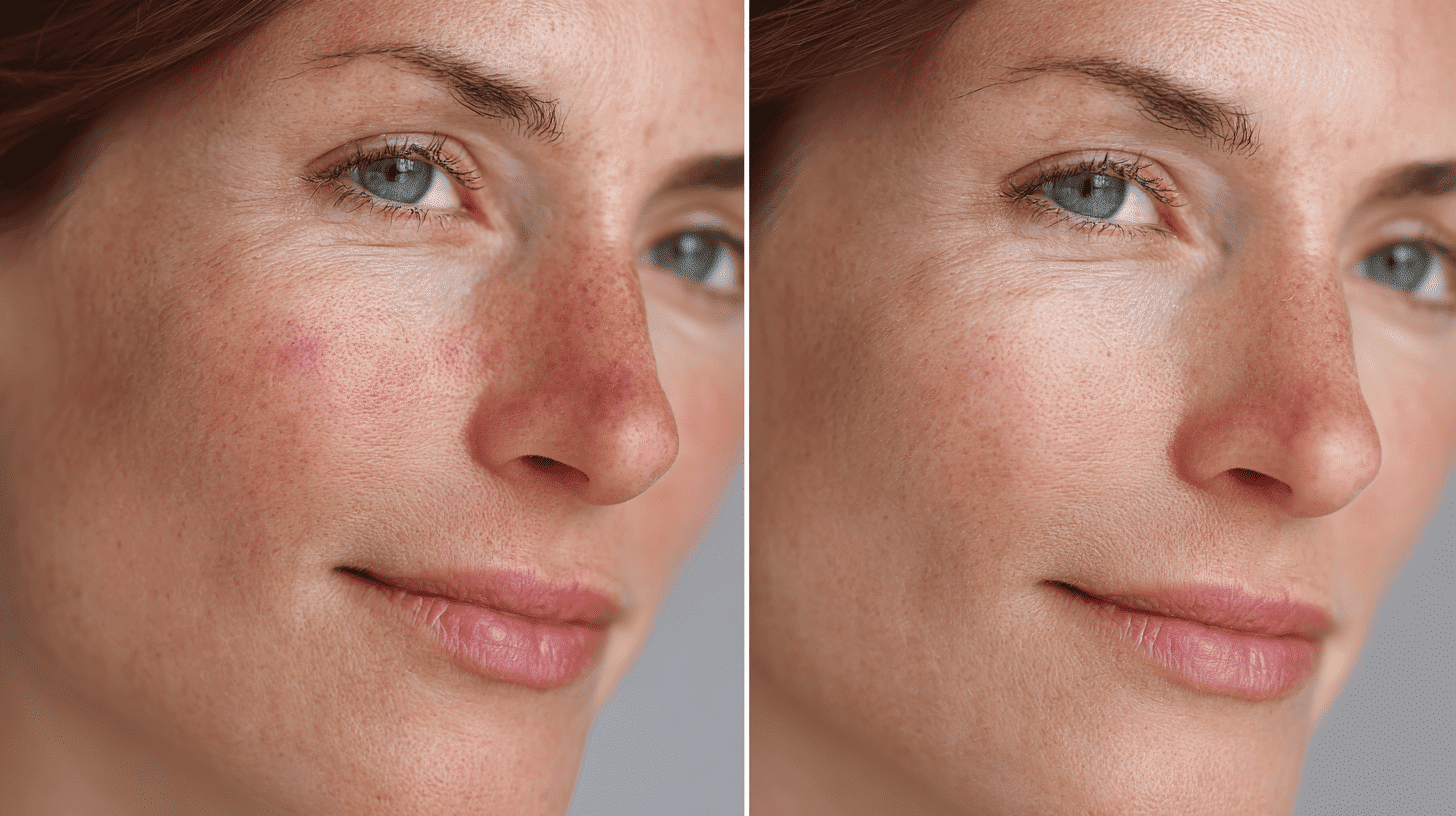
When starting a new skincare ingredient, one of the most common questions people ask is how long it takes to see results. Azelaic acid has become increasingly popular for concerns like acne, redness, uneven texture, and post-breakout discoloration because it offers multiple skin benefits while remaining relatively gentle for many skin types.
Still, like most skincare ingredients, azelaic acid requires consistency and patience. Understanding how it works beneath the skin can help set realistic expectations and make it easier to recognize progress over time.
What Azelaic Acid Actually Does Beneath the Skin
Azelaic acid is a multifunctional ingredient known for helping improve skin tone, calm inflammation, and reduce acne-causing bacteria. Unlike harsher active ingredients that can aggressively strip the skin, azelaic acid works more gradually while supporting overall skin clarity and balance.
One reason people compare azelaic acid vs benzoyl peroxide is because both ingredients are commonly used for acne-prone skin. However, azelaic acid is often preferred by individuals with sensitive skin because it may help reduce breakouts and discoloration without causing as much dryness or irritation.
Azelaic acid also helps normalize skin cell turnover, which may reduce clogged pores and improve the appearance of post-inflammatory marks left behind by acne. In addition, it can help visibly calm redness and uneven skin tone, making it a versatile option for multiple skin concerns.
Products formulated with 14 azelaic acid are often designed to provide a stronger concentration while still supporting daily skincare routines. Consistent use may gradually improve skin texture, reduce visible blemishes, and promote a smoother overall complexion.
Because skin health is closely connected to overall wellness, many individuals interested in skincare also explore broader beauty topics like dermatologist recommended vitamins for hair growth as part of a more complete self-care routine.
Signs The Product is Starting to Work
One of the first signs azelaic acid is working is often a reduction in redness and irritation. Skin may begin to look calmer and more balanced within a few weeks of consistent use. Some individuals also notice fewer clogged pores or less active inflammation during this early phase.
Improvements in acne and skin texture usually take more time. Many people begin seeing more visible changes after six to eight weeks of regular application, though timelines vary depending on skin type, severity of breakouts, and consistency.
Post-acne discoloration and uneven tone tend to improve more gradually. Because azelaic acid works by supporting skin renewal over time, fading dark spots often requires continued use for several months.
Consistency matters more than overusing the product. Applying azelaic acid as directed and maintaining a gentle skincare routine can help minimize irritation while supporting long-term results. It’s also important to pair active ingredients with hydration and sunscreen to help protect the skin barrier during treatment.
Ultimately, azelaic acid is best viewed as a long-term skincare ingredient rather than a quick fix. While visible improvements may take time, many users appreciate its ability to address multiple concerns at once while remaining gentle enough for ongoing use.