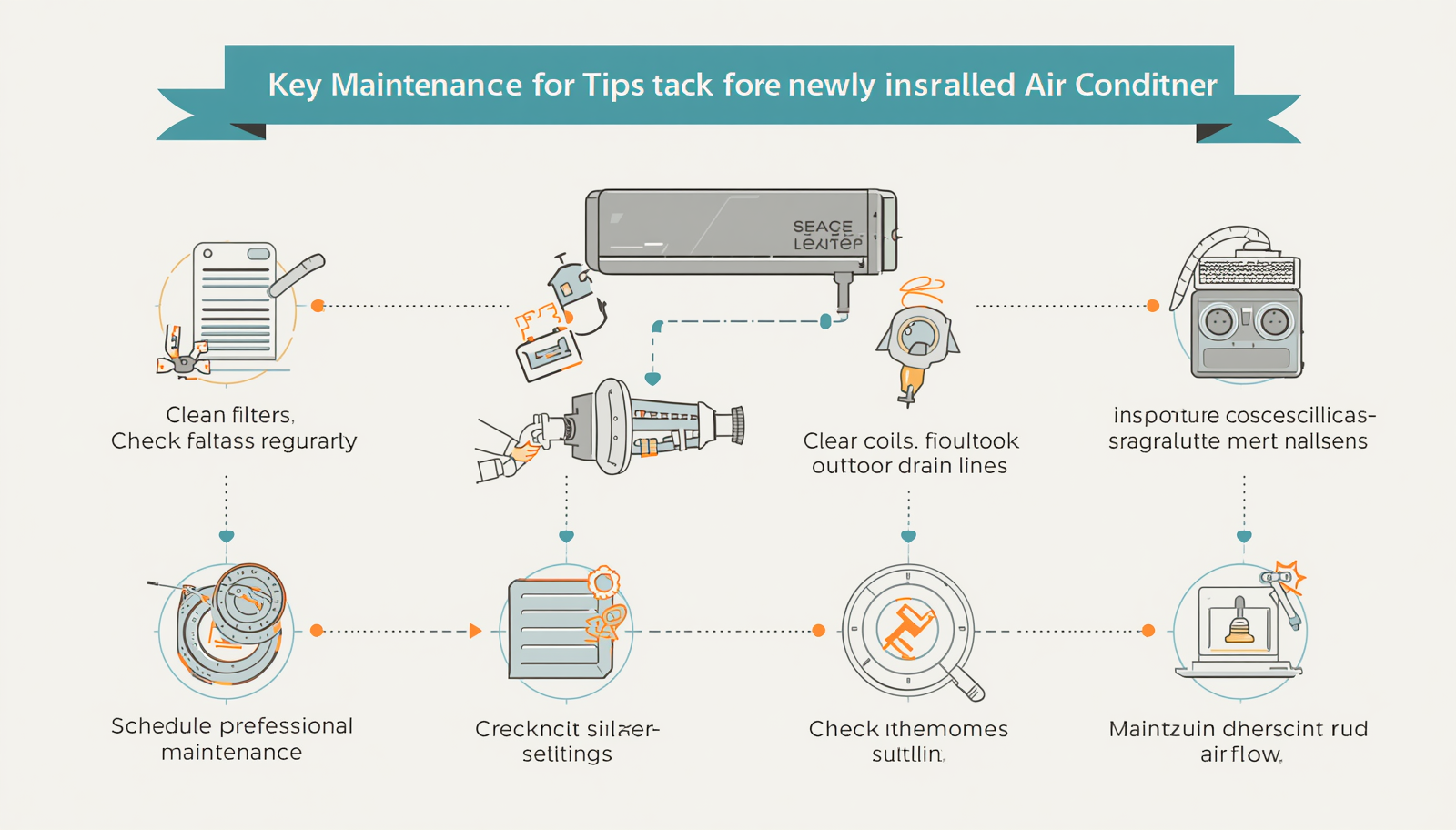
Air conditioning units require regular maintenance to keep them working optimally over time. Regular maintenance helps identify potential problems in components of the AC system, and these include air filters, ducts, and the thermostat. This provides an opportunity to repair minor issues in your AC unit before they evolve into complex breakages that require expensive repairs or replacements. Here are several maintenance tips to follow after a new AC installation:
Clean the AC Unit Regularly
An AC unit consists of various components, such as fins, condensers, and evaporator coils, that require regular cleaning to keep the system working optimally. Some components accumulate dirt; this may restrict airflow in the AC unit, reducing its cooling capacity. Cleaning them regularly removes dust, helping prevent a breakdown of the AC system.
Tangible debris, such as leaves, is removed from components like coils; during this process, the AC unit should be switched off. During an AC installation service, professionals might use a vacuum cleaner to remove dust from fins, the condenser, and evaporator coils. The vacuum cleaner helps remove the dust without causing physical damage to the AC unit’s fins and coils.
The outdoor unit of an AC system should also be regularly cleaned. If the area around the outdoor unit is cluttered with debris, the flow of released hot air can be restricted; this makes the AC system work harder, reducing its efficiency. To avoid these issues, keep the area near the outdoor unit free from debris, such as leaves, grass, and soil.
Inspect the Thermostat Regularly
Setting the thermostat in your AC unit properly helps maintain the desired temperature levels, and this helps keep your home comfortable. If the thermostat is set lower or higher than required, your AC unit might work harder, causing unnecessary wear and tear. Setting it properly helps maintain consistent indoor temperatures while extending the lifespan of the AC unit. A reputable AC installation service can also assist you in installing a programmable thermostat in your system. This type of thermostat automatically changes temperatures based on the conditions that you have set.
Change Air Filters Regularly
Air filters trap dust and other airborne debris, preventing them from entering the AC unit. As the dust accumulates, the filters may become clogged, reducing airflow in your AC unit; this lowers the air quality in your house while putting extra strain on the AC unit. Thin filters may need to be replaced often, such as monthly, while thicker ones often last longer than a month.
Households that have pets or include family members who have allergies benefit from changing filters more regularly. This promotes clean air more frequently. If you live near construction or windy areas with dirt, changing the filters frequently can help prevent them from getting too dirty; it also helps prevent premature failure of the system.
Check for Leaks in Ducts
If there is leakage in the ducts, the AC can lose energy, affecting its efficiency in cooling your house. During regular maintenance of your AC system, professionals check if the ducts are sealed and insulated. Checking for holes, peeled insulation, cracks, or loose connections allows professionals to repair issues before they escalate into larger problems.
Schedule an AC Installation Service
After an AC company installs a new system, set up a regular maintenance schedule with them to keep your system working efficiently. This helps regulate the temperature and quality of air in your house, and it also may extend the lifespan of the AC system. While DIY interventions help keep the AC system clean, a maintenance service provides both deeper cleaning and diagnostic services. Schedule an AC maintenance service today to maintain your new system.