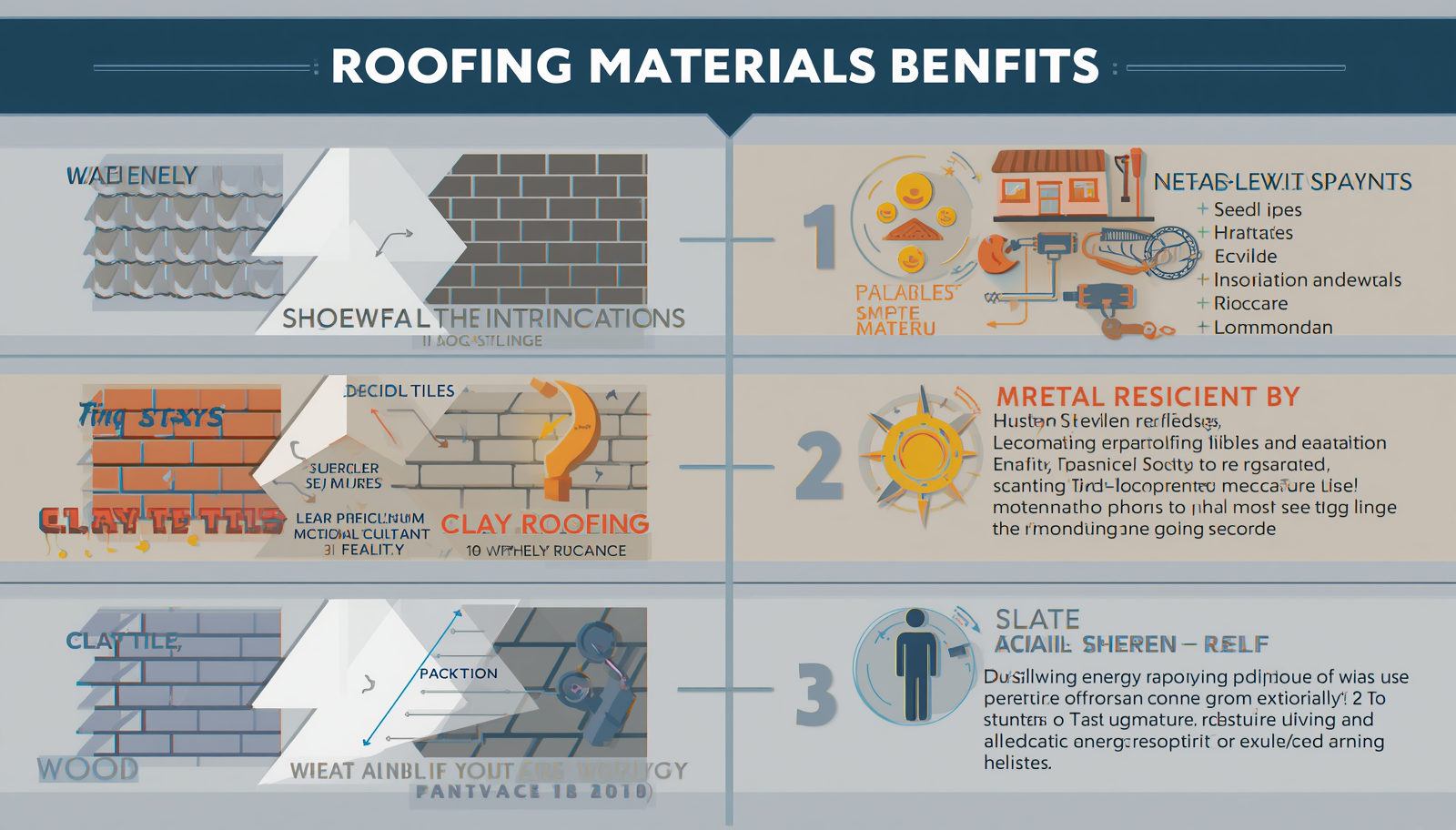
Roofing materials can help assess and determine a roof’s durability, while installation quality and consistent maintenance influence how long a roof performs, regardless of its style. The ideal material should offer a longer lifespan, durability, or even improved energy efficiency. Here are a few roofing materials and their benefits:
Metal Roofing
Metal roofs are used in both residential and commercial settings. They are known for their long service life, and they perform reliably over time. When installed and maintained according to manufacturer guidelines, a metal roof can remain in place for several decades.
Installers usually begin with a synthetic roof underlayment or tar paper, then secure the metal panels over it. A steep slope helps support water drainage and reduce standing water on the surface. In addition to longevity and appearance, metal roofs provide the following benefits:
Wind resistance
A metal roof is generally harder and stronger than many common roof materials. It does not warp, crack, or peel under typical conditions, so it can remain intact in harsh weather. Thunderstorms are able to damage roofs made of wood and similar materials, and hail or strong winds may cause additional wear, while metal panels are more likely to retain their form under those conditions.
Energy-related performance
A metal roof is able to reflect a notable portion of the sun’s ultraviolet rays, limiting the amount of heat that enters the building on sunny days and helping manage interior temperatures and influence overall energy use. Some metal roof systems also use vent chambers that draw heat away from the top surface. The venting can keep the roof surface cooler than the ambient air at certain times, which reduces heat flow into the structure.
Shingle Architectural Roofing System
Layover or architectural shingles are types of shingle roofs used on residential properties. These shingles are made of premium asphalt layers fused to create a three-dimensional appearance and are available in various colors and patterns, allowing customization of the roof’s look. Their thicker layers also help them resist damage from severe weather elements such as hail and strong winds. The following is a benefits of layover roofing:
Moisture Resistance
Since these shingles are thicker than many standard roofing materials, they form a tight seal over the roofing deck. This seal helps limit moisture penetration, particularly through gaps and joints, and it reduces conditions that allow algae and moss to develop on the roofing surface. If algae and moss are left unaddressed, they can gradually affect the roofing’s structure and appearance.
A thick and water-resistant layover roofing system reduces the amount of moisture that reaches underlying layers, and it supports a more stable roofing structure. When attic moisture combines with warmth, conditions are able to develop that allow mold growth and enable spores to spread throughout a building’s interior. This spread can affect walls and floors, and it may aggravate allergies in sensitive occupants, including children.
Roof Tear-off Replacement
Tear-off and replacement roofing is a roof replacement technique used when the roof is extensively damaged. A tear-off and replacement project involves removing the entire roof system, including the underlayment and the shingles. Contractors carry out this process when installing a new roof to address existing moisture, drafts, and concealed deterioration. It may be used for structures with two or more layers of roofing materials. Here are some advantages of tear-off and replacement roofing:
- Providing Extended Service: A tear-off and replacement roof can provide a longer service period than layover roofing because it removes older materials down to the deck. After removal, new roofing material is installed according to current standards and manufacturer instructions, making it common for older or heavily worn structures.
- Addressing Recurring Issues: Old or extensively damaged roofs often develop repeated issues due to aging materials that allow moisture infiltration and drafts. A tear-off-and-replace roof resolves these problems by removing compromised components and installing a new roofing system.
Contact Roofing Experts Today
Hiring a roofing expert to perform roof installation or replacement helps confirm that the finished roof is strong and durable. Conducting due diligence, such as checking licenses, references, and past projects, helps in selecting a contractor whose work aligns with the building’s needs. Evaluating how a contractor maintains properties similar to yours can also indicate their experience with specific roof types and materials. Engage roofing professionals today.