Picture this: you’re navigating a crowded airport in the middle of July, hauling luggage through terminals with no air conditioning, sweat forming before you’ve even reached your gate. Or maybe you’re on a long-haul flight where the cabin temperature feels stuffy and completely out of your control. These moments of heat-induced misery are something most travelers know all too well.
Enter the neck fan — a hands-free, wearable cooling device that has quietly become one of the most talked-about travel accessories in recent years. Worn around the neck like a horseshoe-shaped collar, these compact gadgets deliver a steady stream of airflow directly to your face and neck, keeping you cool without tying up your hands or adding bulk to your bag.
But with so many options flooding the market, figuring out what is the best neck fan for your specific travel style can feel overwhelming. Do you prioritize battery life for long flights? Maximum airflow for outdoor adventures? Or perhaps a budget-friendly option that still gets the job done?
This guide breaks it all down — from understanding how neck fans work to comparing top models — so you can make a confident, informed choice before your next trip.
Understanding Neck Fans: What Makes Them Ideal for Travel?
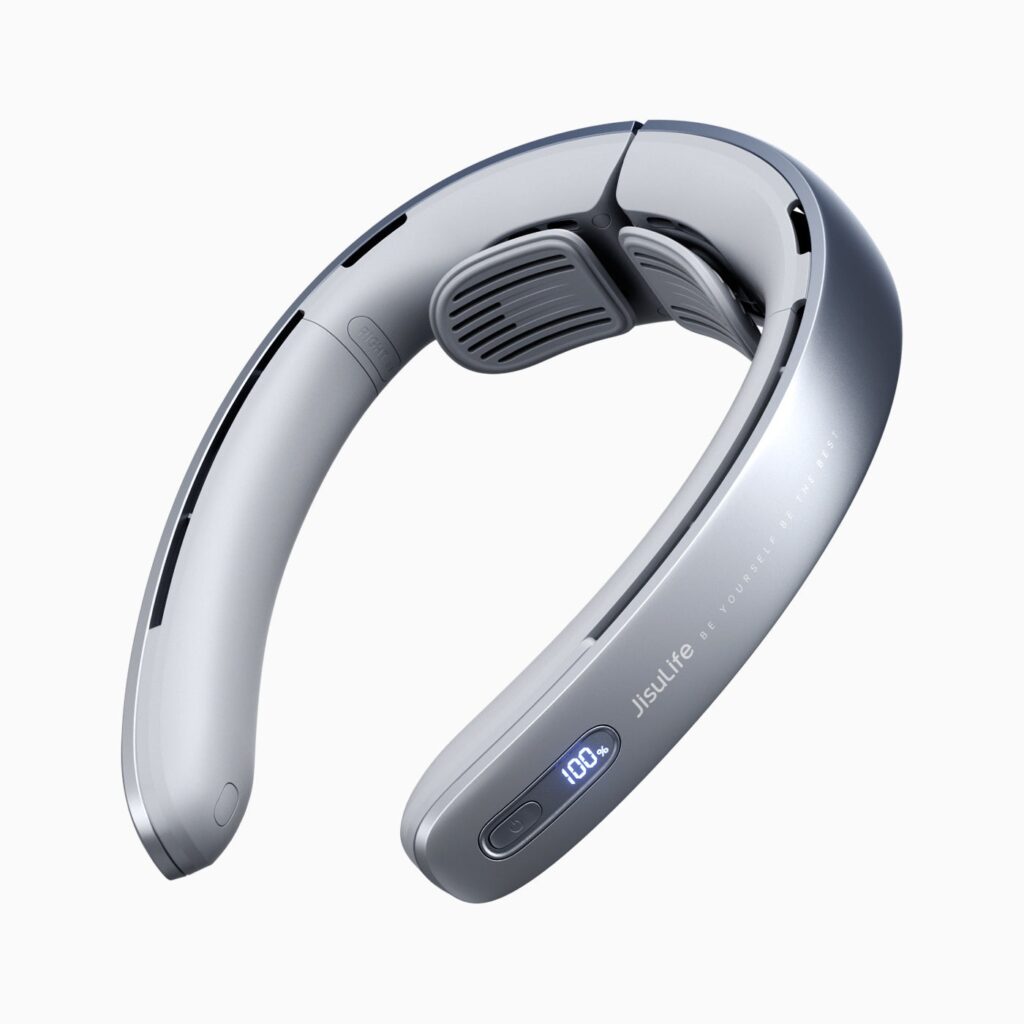
A neck fan is a wearable, horseshoe-shaped device that rests around your neck and uses small but powerful fans — typically positioned on each end — to direct airflow upward toward your face, chin, and neck. Unlike traditional handheld fans that require constant gripping or desk fans that anchor you to one spot, neck fans operate completely hands-free, making them a fundamentally different kind of cooling tool.
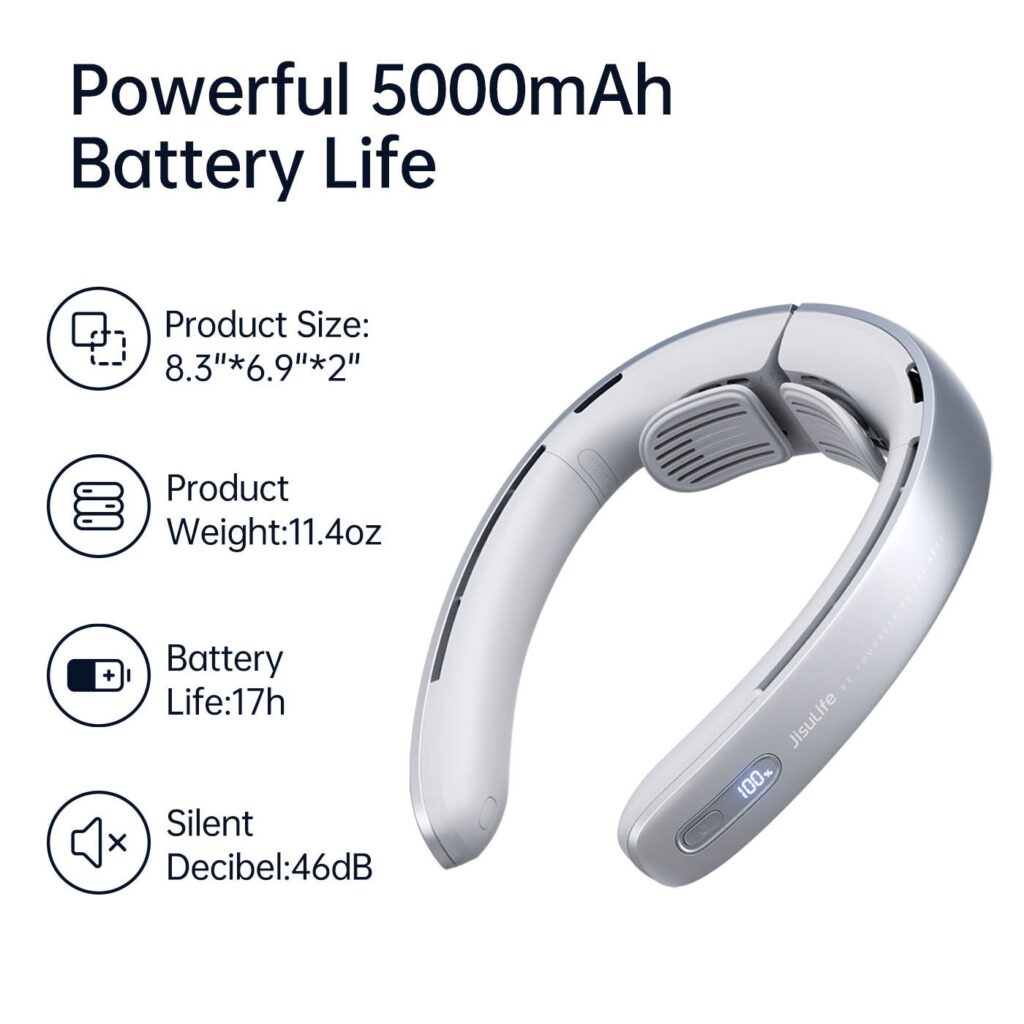
Most models rely on bladeless or semi-enclosed fan technology, drawing air in through side vents and pushing it outward through strategically angled outlets. This design keeps your fingers safe while maintaining a steady, consistent breeze. The result is personal, targeted cooling that moves with you rather than waiting for you to come to it.
For travelers specifically, the appeal is obvious. Airports, outdoor markets, beach boardwalks, and crowded tourist attractions all share one common problem: heat with no easy escape. Carrying a bulky fan isn’t practical, and relying on a destination’s air conditioning is never guaranteed. Neck fans solve this by being compact enough to slip into a carry-on pocket, light enough to forget you’re wearing them, and powerful enough to make a genuine difference in comfort.
When asking what is the best neck fan for travel purposes, the answer always starts with portability and self-sufficiency. A good travel neck fan doesn’t require an outlet, doesn’t weigh down your bag, and doesn’t demand your attention to operate. It simply works in the background while you focus on navigating your journey — whether that means reading a boarding pass, pulling a suitcase, or exploring a new city in peak summer heat.
The Top Benefits of Using Travel Neck Fans in Hot Weather
The most immediate advantage of a neck fan is how effortlessly it fits into the rhythm of travel. Unlike handheld fans that occupy one of your hands or portable air conditioners that require a power source, neck fans sit quietly around your collar and do their job while you do yours. You can check your phone, dig through your bag, or snap photos of a landmark without ever pausing to think about staying cool. That hands-free freedom is genuinely transformative when you’re managing luggage, passports, and boarding passes simultaneously.
Portability is another standout quality. Most neck fans weigh well under half a pound and fold flat enough to slip into a jacket pocket or the front compartment of a backpack. When every inch of carry-on space matters, this kind of compact footprint makes a real difference. You’re not sacrificing room for a bulky device — you’re adding a meaningful comfort upgrade at almost no packing cost.
For neck fans used specifically in hot weather, cooling efficiency matters most. Modern models deliver surprisingly strong airflow across your neck, chin, and lower face — the areas where heat and sweat tend to concentrate first. Multiple speed settings let you dial in exactly how much airflow you need, whether you’re sitting in a stuffy terminal or pushing through an outdoor market at noon.
Battery life rounds out the core benefits. Most quality travel neck fans run anywhere from six to twelve hours on a single charge via USB-C, meaning they can last through a full travel day without needing a power bank top-up. That kind of reliability is what separates a genuinely useful travel tool from a novelty gadget that runs out of power before you reach your destination.
Key Features to Consider When Choosing the Best Neck Fan
Choosing the right neck fan comes down to more than picking the most popular model or the one with the longest spec sheet. Travelers have specific demands — tight packing constraints, variable environments, and long days without access to charging outlets — that make certain features far more critical than others. Before committing to a purchase, it’s worth evaluating a few core criteria that separate genuinely travel-ready devices from ones that look good in product photos but underperform in real conditions.
Size and Weight: Ensuring Portability for Travel
A neck fan that feels comfortable at home might become a burden after six hours of airport transit. Look for models that weigh under 150 grams and feature a flexible, adjustable frame that accommodates different neck sizes without pinching. Foldable designs compress easily into a small pouch, making them genuinely pocketable. If you’re traveling carry-on only, every cubic inch counts — a fan that flattens to roughly the size of a paperback book is the sweet spot between performance and packability.
Cooling Efficiency and Airflow: Beating the Heat Effectively
Not all airflow is created equal. Neck fans for hot weather need at least three speed settings to handle everything from a breezy airport terminal to a sweltering outdoor market. Pay attention to how the airflow outlets are angled — models that direct air upward toward the face and chin provide noticeably better cooling than those that simply push air outward. Bladeless or semi-enclosed designs, like those found in JisuLife’s portable fan lineup, also tend to distribute airflow more evenly, reducing that uncomfortable tunnel-wind sensation at higher speeds.
Battery and Durability: Reliable Use on the Go
Aim for a minimum of eight hours of runtime on a mid-range speed setting, and prioritize USB-C charging over older micro-USB connections for compatibility with modern power banks. Durability matters too — look for reinforced hinges and sweat-resistant materials, since a neck fan worn during active travel will encounter moisture and physical stress regularly. A simple wipe-down with a damp cloth should be all the maintenance required to keep it running cleanly throughout a long trip.
Comparing Popular Models: Which Neck Fan Suits Your Travel Needs?
With dozens of neck fans competing for shelf space, narrowing the field to a shortlist of genuinely travel-worthy options requires cutting through the marketing noise and focusing on real-world performance. The three categories below represent distinct traveler profiles — each with different priorities, environments, and tolerances for trade-offs. Understanding where you fit will make the final choice considerably easier.
Model A: Best for Long Flights and Urban Travel
Frequent flyers and city explorers need a neck fan that operates quietly enough to avoid annoying fellow passengers while delivering consistent airflow through hours of use. The ideal model in this category runs at near-silent levels on low and medium settings — below 25 decibels — making it genuinely usable in airplane cabins without drawing stares. Battery life should comfortably exceed ten hours, eliminating mid-journey recharging anxiety. A slim, foldable profile that fits inside a seat-back pocket is the finishing touch that makes this type of compact cooling device a natural fit for urban transit and long-haul travel alike.
Model B: Ideal for Outdoor Adventures and Hot Climates
Hikers, festival-goers, and travelers exploring tropical destinations need something built for punishment. The standout trait here is raw airflow — higher fan speeds that push noticeably more air than standard models, combined with sweat-resistant housing that won’t degrade after repeated exposure to moisture and sun. Reinforced hinges handle the flex and movement of active use without cracking over time. These travel neck fans sacrifice some battery efficiency at top speed, but for anyone spending full days outdoors in genuinely hot weather, that cooling power is worth the trade-off.
Model C: Top Pick for Budget-Conscious Travelers
Not every trip justifies premium spending, and budget-friendly neck fans have improved dramatically in recent years. The best value options now offer three speed settings, USB-C charging, and six-plus hours of battery life at a fraction of flagship prices. Brands like JisuLife have helped raise the bar in this segment, proving that accessible pricing doesn’t have to mean a compromised experience. The main concessions are typically build quality — lighter plastics that feel less premium — and slightly noisier operation at higher speeds. For occasional travelers or first-time buyers testing whether a neck fan suits their style, these models deliver the core experience without financial risk, making them a smart entry point into the category.
Find Your Perfect Travel Companion Against the Heat
Staying cool during travel isn’t a luxury — it’s what separates an exhausting trip from an enjoyable one. Neck fans have earned their place in the modern traveler’s kit precisely because they solve a real problem without creating new ones. They’re light, hands-free, rechargeable, and effective enough to make a genuine difference in how you feel during the most grueling stretches of any journey.
Throughout this guide, we’ve covered what makes neck fans uniquely suited to travel, the core benefits that set them apart from other cooling solutions, and the specific features worth prioritizing — from weight and airflow to battery life and build quality. We’ve also mapped out three distinct traveler profiles to help answer the question of what is the best neck fan for your particular situation: the quiet, long-lasting option for flights and city transit, the high-powered model for outdoor and tropical adventures, and the budget-friendly pick for occasional travelers testing the waters.
The right choice ultimately comes down to how and where you travel most. Match the fan to your environment, your packing habits, and how long your days typically run. Do that, and you’ll have a compact cooling device that earns its spot in your bag every single trip. Don’t let summer heat dictate your comfort — go prepared.