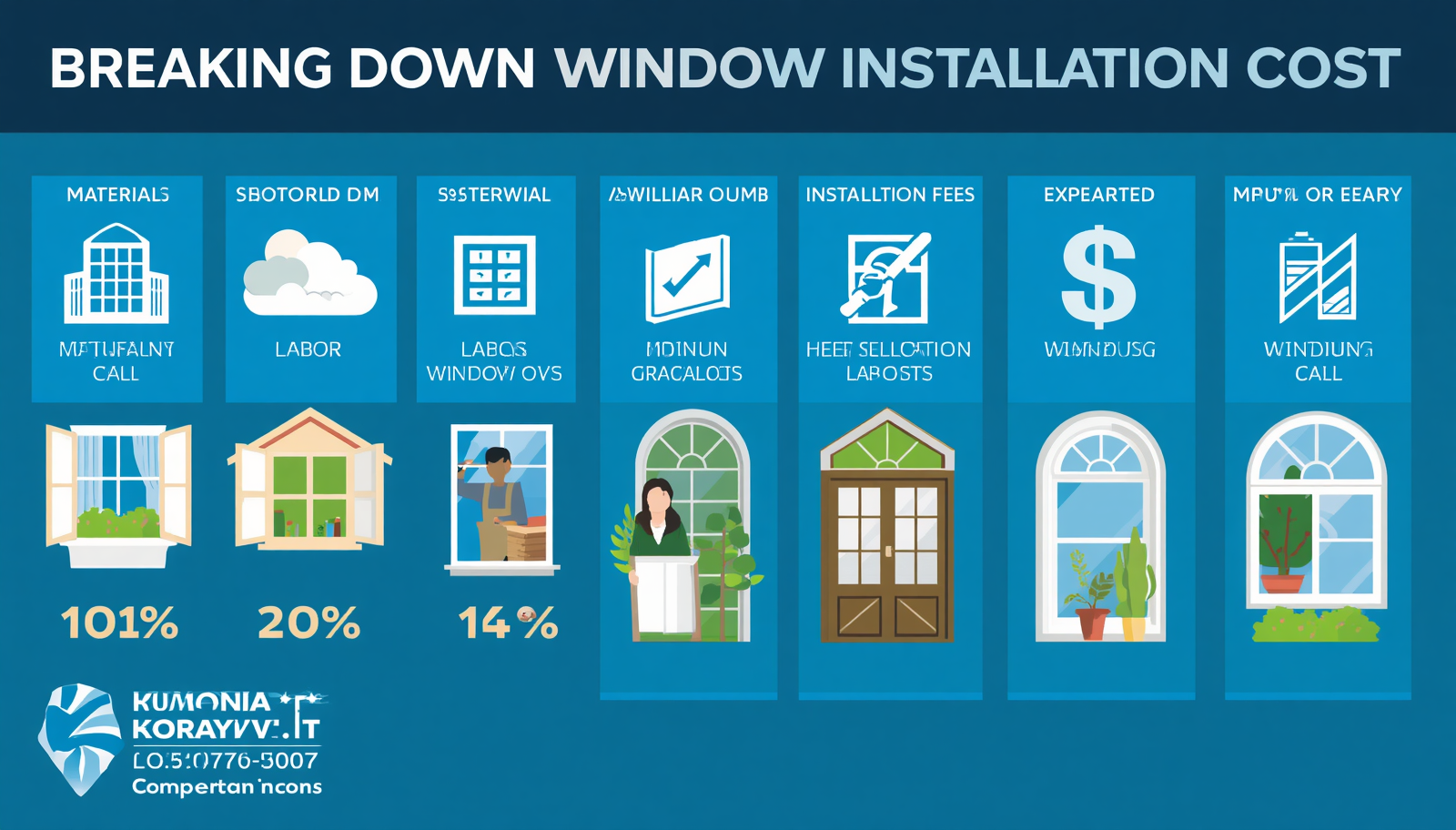
Several factors will influence the total window installation cost for home projects, including materials, window style, custom sizing, and installation requirements. Some homes require standard replacement windows while others need specialty window systems and custom-shaped openings. Understanding how these elements influence installation planning helps homeowners evaluate replacement options for their property. Here is more information about what influences window installation costs:
Window Style
Different window styles will require different operating systems, structural configurations, and installation methods. Some homes will also include a combination of window styles depending on ventilation requirements and room layouts. Here is a look at common window types in home projects:
- Casement windows
- Sliding windows
- Double hung windows
- Bay & bow windows
- Tilt & turn windows
- Awning windows
Specialty windows are manufactured to fit unique shapes and typically require custom sizing. Bay and bow windows extend outward from the wall, so installers add structural support during installation. Hopper and awning windows have distinct opening mechanisms, so installers account for their orientation and installation position to verify proper operation.
Construction Design
The type of construction material will also affect the window installation cost. Windows designed for long-term use include weather-resistant framing systems and high-quality glass. These components influence window functions once installation is complete. Vinyl windows have low-maintenance exteriors and can be built with insulated frame systems. Replacement windows often use insulated glass units to improve indoor temperature stability and reduce heat transfer.
Bay and bow windows combine multiple insulated glass panels in a projecting frame system. They may include vinyl-clad exteriors and wood or composite interior components, depending on the manufacturer and design, which helps support both durability and interior finish options. Energy-efficient double-hung windows help reduce heat loss and improve indoor comfort, which contributes to lower energy usage over time. Casement windows use side hinges and close tightly against the frame, which helps limit air leakage and allows for effective ventilation when open.
Custom Sizing
Homes often have window openings that require custom-sized units. Installers use replacement windows measured to fit the existing openings, which supports proper sealing, structural fit, and improved energy performance. These sizing requirements can vary based on the home’s age and original construction methods. Bay and bow windows often combine fixed picture windows with operable units such as casement or double-hung windows to balance natural light, ventilation, and exterior appearance; these customization choices affect the scope of an installation project. Installers need specialized tools or additional framing adjustments depending on the selected products and window types, and project timelines increase when installing larger units or specialty window configurations.
Installation Process
Homeowners typically begin with an initial consultation to review window styles, project scope, and product preferences. After the quote is accepted and the contract is signed, installers take precise field measurements to make sure the replacement windows match the existing openings. The manufacturing of replacement windows and doors begins after final measurements are confirmed.
Once production is underway or completed, installers coordinate with the homeowner to schedule an installation date. Projects that include multiple windows or entry systems require additional planning to account for layout, access, and overall project size. The installation process also varies based on the type of products being replaced. Specialty windows require specific handling due to their size, shape, or configuration. Patio door installations often include additional exterior components such as trim or structural reinforcements, which add steps to the overall process.
Review Window Installation Costs
Windows replacement projects involve several stages and require the evaluation of multiple structural factors. Homeowners review frame construction, custom sizing, and window style to select and install replacement products. By carefully evaluating all of these factors, homeowners will have a better understanding of the installation costs. Work with a reliable window contractor today to learn more.