An interior designer develops and implements visual designs for houses or commercial buildings. They focus on home interior design and functionality, and they coordinate colors, furniture, and fixtures. Here are some tips a designer may give when styling your home:
Utilize Technical Drawings
Technical drawings provide the blueprint for interior renovations. Professional designers use specialized software to produce precise plans; these documents can include floor plans and detailed diagrams showing where each element belongs. Some drawings also provide the specific measurements that contractors and carpenters need during the project. The technical drawing and drafting phase focuses closely on the spatial layout of the home. A designer measures existing rooms and translates those figures into digital models. During this process, professionals can also identify potential structural issues and take steps to address them early.
Create 3D Renderings
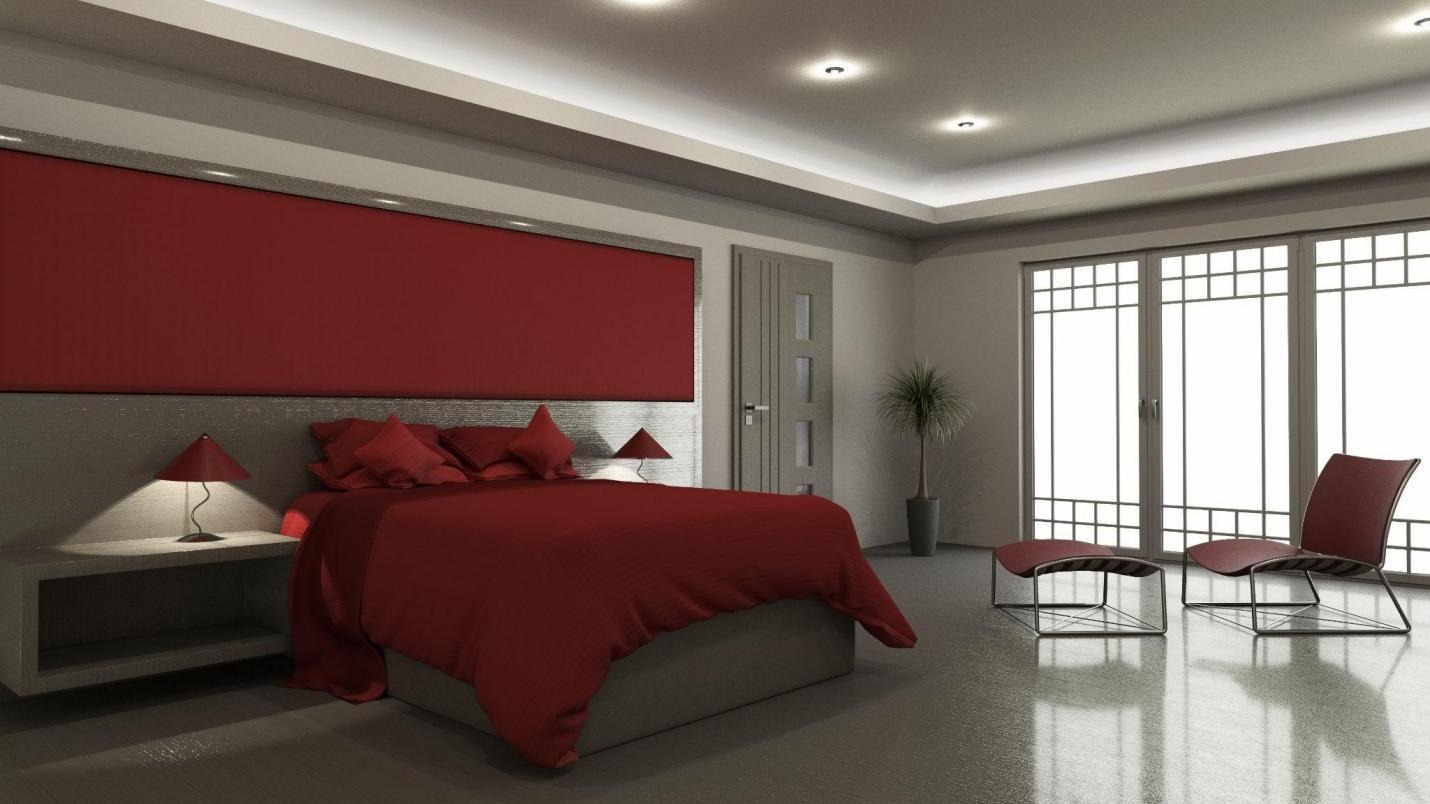
Designers create 3D renderings to provide a lifelike representation of your future home. The renderings may include accurate colors and textures, so you’re able to see how materials interact within each room. This level of detail helps you choose color schemes and finishes. The rendering service offers an interactive experience where you can explore the proposed environment from multiple perspectives.
Some 3D rendering services also integrate real-world lighting conditions to show their effect on the interior. The software accounts for shadows and reflections, providing a preview of the room’s depth and volume. Reviewing the rendered visuals allows you to accurately communicate the changes you want, and contractors then use the final plan as a guide during the implementation phase.
Apply Sensory Design
During home interior design projects, designers strategically select materials and layouts to manage sensory input. These professionals can identify specific triggers during consultation, and they use them to curate appropriate textures and colors. Balancing these physical elements helps modify the environment to accommodate the client’s needs. Sensory design services can improve the overall quality of a living or working space. The goal is to reduce environmental stressors, with designers selecting suitable textiles to create a functional space. This process may include choosing rugs, upholstery, and other fabric elements that also contribute to a room’s acoustic quality.
Curate Custom Furniture
Curating custom furniture involves selecting and designing unique pieces that match the dimensions and aesthetic requirements of a room. Retail options may not fit unconventional layouts or meet specialized style preferences. Designers can choose specific fabrics, wood finishes, and hardware that align with the project concept.
Custom pieces reflect the client’s vision for statement furnishings, and they are achieved through designer-craftsman collaboration. This process helps make sure every item in the home is functional and optimized for available space. These tailored pieces also allow for the integration of unique storage solutions. Professionals select materials with both durability and aesthetics in mind.
Position Art Professionally
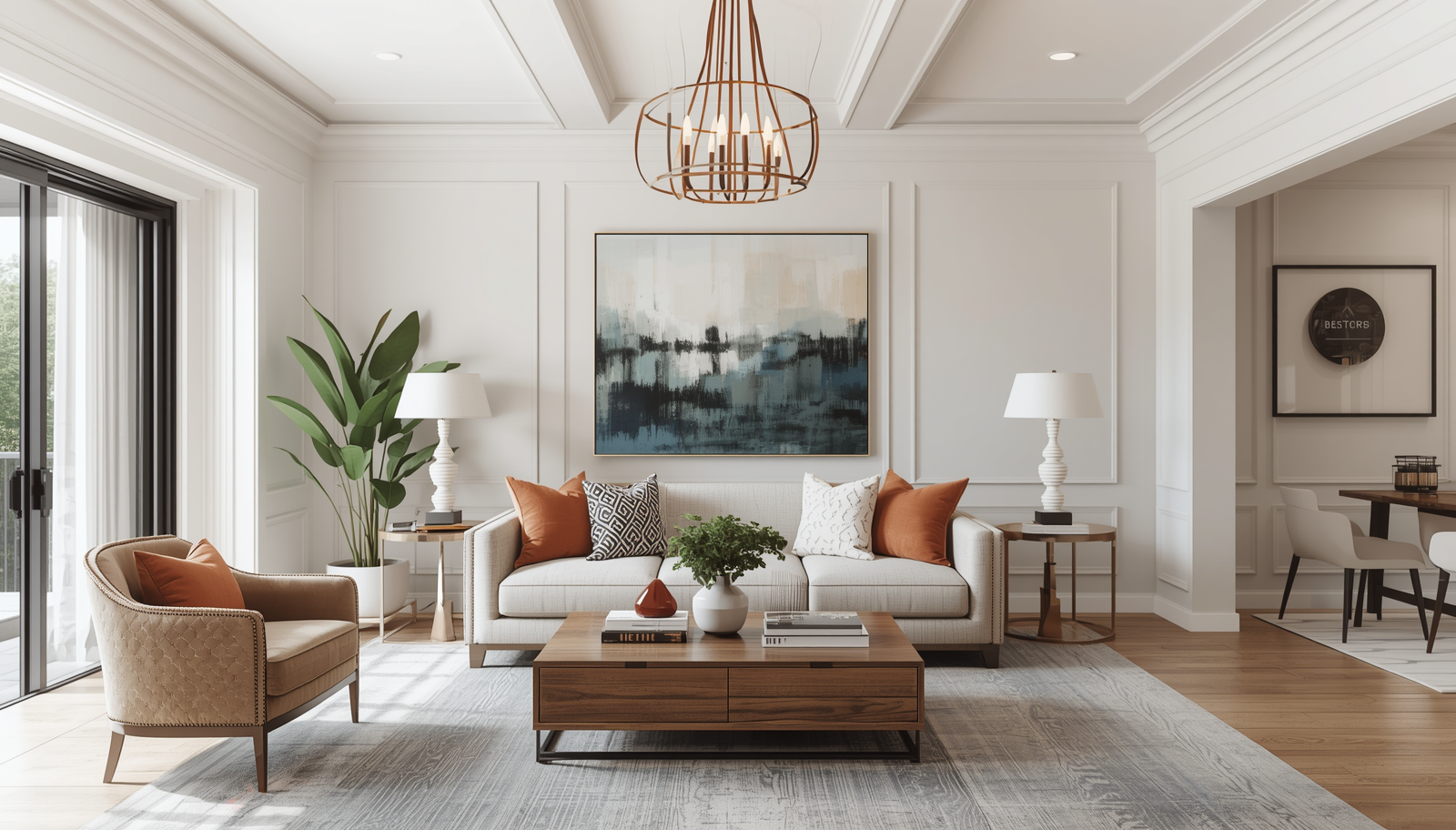
Place final art elements to promote a cohesive and polished interior. A designer uses technical plans to determine the height and scale for each piece of artwork. They oversee this task during the final stage of a project to confirm that the intended wall aesthetic is achieved. Artwork placement requires attention to the relationship between the art and adjacent architectural features. It can include the installation of paintings, mirrors, and wall hangings. If a piece requires specific mounting hardware for safety, the designer is able to manage those logistical requirements. For more accurate art positioning, you may incorporate the following:
- Review material finishes
- Match the wall art with the furniture
- Use simple art to prevent visual clutter
Explore Home Interior Design Tips
Professionals enhance home interior design results through concept development and installation. They offer color consultations to help you identify your preferred aesthetic, and they create custom furniture to fit your space. The overall process involves a transition from ideas to physical results through disciplined management. Contact a reputable interior design specialist to learn more about the services they offer.