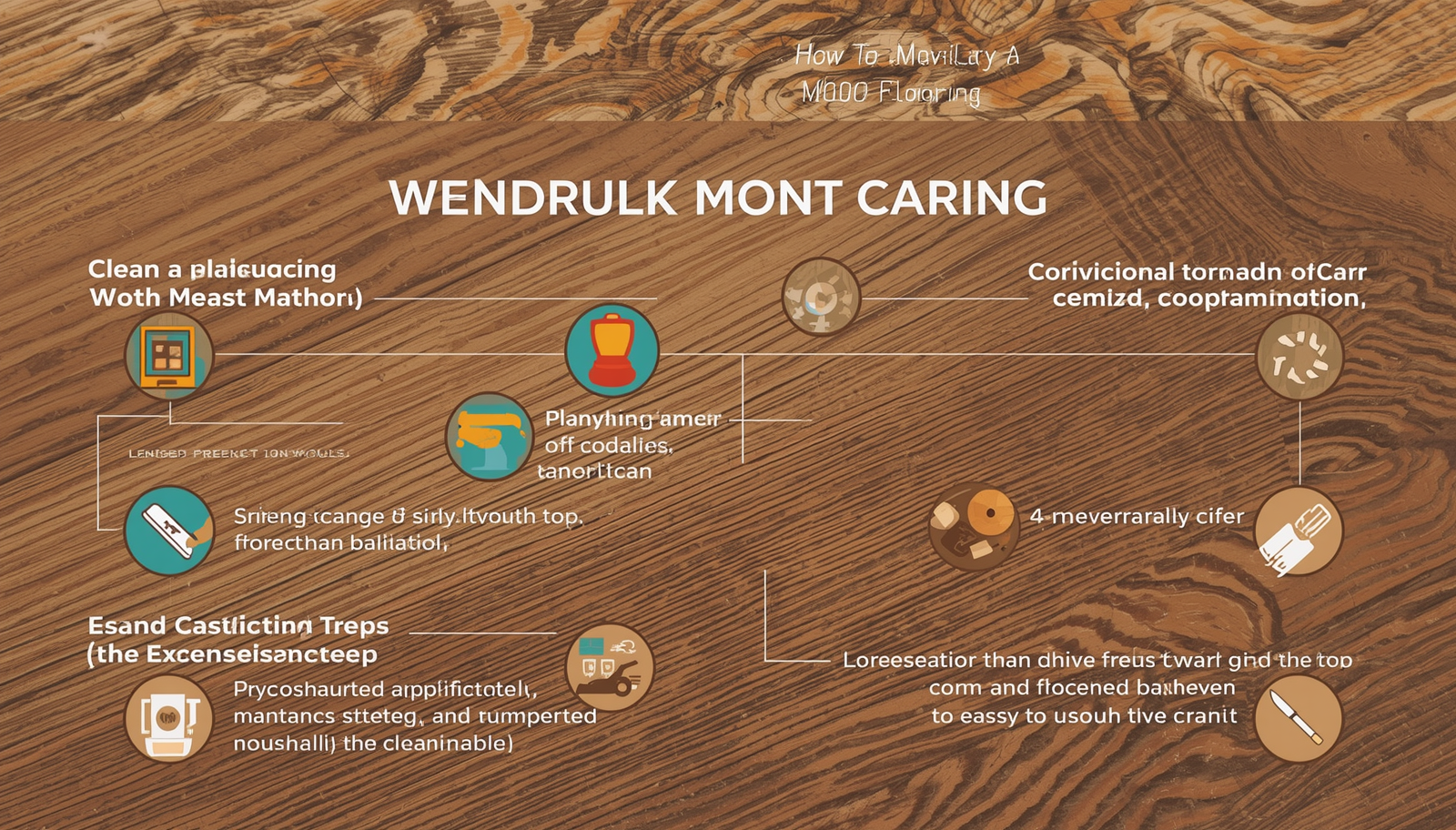
Proper care of your wood flooring helps preserve its appearance and extend its lifespan. With consistent maintenance, you can reduce the need for frequent repairs or replacement. Here are some practical tips for maintaining and caring for wood flooring:
Protect Floors From Scratches
Place felt pads under furniture legs so pieces can be moved without scratching the wood flooring. Avoid dragging heavy items across the floor, as this leaves deep scratches that are harder to repair. In high-traffic areas, use rugs or runners to reduce wear from shoes and pet nails. Avoid wearing high heels on wood floors; the concentrated pressure from the heel can dent or mark the surface. Smooth wood is also slippery at times, which increases the risk of falls. If you have pets, keep their nails trimmed to help limit surface scratches. If small scratches appear, a wood stain that closely matches the floor color helps conceal them. Place mats or rugs at entryways to catch dirt and provide a more durable surface for foot traffic, including pets.
Control Humidity Levels
Excess humidity affects hardwood floors. High moisture levels cause wood to absorb water, which can lead to expansion and warping. This results in an uneven surface. Low humidity has the opposite effect; the wood loses moisture, shrinks, and gaps form between planks. To reduce the risk of these issues, keep indoor humidity within a moderate range. Manage humidity levels in the following ways:
Use a dehumidifier: In humid climates, a dehumidifier helps remove excess moisture from the air and maintain more stable conditions.
Use an air conditioner: Central or window air conditioning systems lower humidity as they cool the air, which helps limit moisture buildup.
Open windows: When outdoor conditions are mild and not overly humid, opening windows helps improve airflow and balance indoor humidity.
Clean Floors Regularly
Regular cleaning removes dirt and grit that wear down a wood floor’s finish over time. Sweep or vacuum regularly to keep abrasive particles from settling on the surface, and wipe up spills right away to limit staining and surface damage. Fine debris, such as sand, acts like sandpaper underfoot, especially in busy areas; this gradually dulls the finish and leaves visible wear patterns along common walking paths.
Excess water damages wood by seeping into seams and edges, which leads to swelling or discoloration. A lightly damp mop paired with a cleaner formulated for hardwood provides sufficient cleaning without oversaturating the surface. Microfiber mops lift dust more effectively than traditional string mops, and they leave less residue behind. Harsh products, including bleach or ammonia, strip protective finishes and leave the wood more exposed to wear. This shortens the floor’s service life and increases maintenance needs over time.
Maintain Your Wood Flooring
Wood flooring adds a durable, easy-to-maintain surface that suits a wide range of interior spaces. Consistent care, such as controlling indoor humidity, limiting surface abrasion, and using appropriate cleaning methods, helps preserve the finish and structural stability over time. For tailored guidance and to compare species and installation options, visit a local flooring store and review samples in person.