| SummaryChocolate digestive biscuits are a popular tea-time snack across India, combining whole wheat biscuits with a smooth chocolate layer. This guide covers everything from ingredients and nutrition facts of chocolate digestive biscuits to pricing, pack sizes, and buying options. It explains calorie content, sugar levels, and portion control to help consumers make informed choices. Leading brands like Sunfeast Farmlite are highlighted alongside practical tips on storage, shelf life, and freshness. Whether shopping online or in stores, this article helps Indian consumers compare options, evaluate value per 100 g, and choose the best chocolate digestive biscuits for everyday snacking. |
Chocolate digestive biscuits are a familiar favourite for many. They combine a wheat-based biscuit with a smooth layer of chocolate on top, creating a simple balance of texture and taste that works across everyday moments.
If you’re here, you may be comparing options before buying or just trying to understand what makes these biscuits so popular.
This guide brings both sides together, covering what chocolate digestive biscuits are, their ingredients, nutrition facts of chocolate digestive biscuits, pricing, and where to find reliable options.
What Are Chocolate Digestive Biscuits?
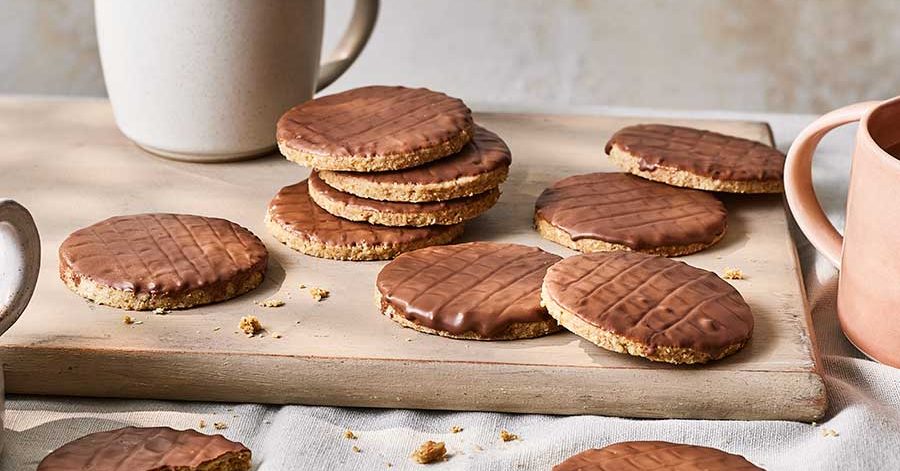
Chocolate digestive biscuits are semi-sweet wheat biscuits topped with a layer of milk or dark chocolate. The base is made using whole wheat flour, which gives it a slightly coarse, crumbly texture compared to lighter biscuits.
Digestive biscuits originated in 1839, created by Scottish doctors as a food believed to aid digestion. Though those claims faded, their mild flavour kept them popular, with chocolate-coated versions adding a modern twist.
Originally designed as a simple, filling biscuit, the digestive base has a mild sweetness that pairs well with the richer chocolate layer on top. The chocolate coating is usually applied to one side, with a thickness that adds flavour without overpowering the biscuit.
This contrast is what makes them stand out. You get a crumbly bite from the base, followed by a smooth chocolate finish. While many brands produce them today, McVitie’s is widely recognised as the most established name in this category.
Key Product Characteristics
A few details define the overall experience of chocolate digestive biscuits:
- Texture: Crisp yet slightly tender biscuit with a smooth chocolate top
- Flavour: Mildly sweet base balanced by richer chocolate notes
- Size: Standard round biscuits, typically 7–8 cm in diameter
- Weight: Around 12–15 g per biscuit, depending on the brand
- Appearance: Even chocolate coating with a firm, intact biscuit base
Packaging also plays a role. Freshness, chocolate quality, and breakage resistance all affect how the biscuit feels when opened.
Ingredients & Nutrition Facts of Chocolate Digestive Biscuits
The ingredient list for most chocolate digestive biscuits is fairly consistent across brands. It typically includes:
- Whole wheat flour
- Sugar
- Vegetable oils (such as palm oil)
- Cocoa or chocolate
- Raising agents
- Salt
Some versions may include added vitamins or minerals, depending on the brand.
Standard Nutrition Overview
Here’s a general idea of the nutrition facts of chocolate digestive biscuits:
Per biscuit (approx.):
- Calories: 70–85 kcal
- Fat: 3–4 g
- Saturated fat: 1.5–2 g
- Carbohydrates: 10–12 g
- Sugar: 4–6 g
- Fibre: 1–2 g
- Protein: 1–2 g
Per 100 g:
- Calories: 480–520 kcal
- Fat: 20–25 g
- Carbohydrates: 65–70 g
- Sugar: 25–30 g
Allergen information usually includes wheat (gluten) and milk, with possible traces of soy or nuts.
Milk chocolate versions tend to be slightly sweeter and higher in sugar, while dark chocolate variants may have a deeper flavour and marginally lower sugar content.
Are Chocolate Biscuits Healthy?
Are chocolate biscuits healthy? Well, the truth is that the answer sits somewhere in the middle.
Chocolate digestive biscuits do offer some fibre due to their whole wheat base, which makes them more filling than highly refined snacks. At the same time, they still contain added sugar and saturated fats.
Compared to plain digestive biscuits, the chocolate-coated versions are higher in calories and fat. This doesn’t make them unsuitable, but it does mean they work better as an occasional treat rather than an everyday staple.
A simple way to keep things balanced is to treat 1–2 biscuits as a serving. This lets you enjoy the taste without going overboard.
Available Pack Sizes & Product Variants
Chocolate digestive biscuits are available in a variety of pack sizes, making them easy to fit into different needs.
Common options include:
- Individual packs: 200 g to 250 g
- Family packs: 400 g to 500 g
- Multipacks: Smaller sleeves bundled together
Price points usually scale with size. Smaller packs fall into a budget-friendly range, while larger packs offer better value per biscuit.
In terms of variants, you’ll often find:
- Milk chocolate digestives
- Dark chocolate digestives
- Thin or lighter versions
Packaging formats vary from boxes to flow-wrap packs, with some multipacks designed for portion control or sharing.
Best Chocolate Digestive Biscuit Brands & Options
When choosing the best chocolate digestive biscuit, a few brands stand out for consistency and taste.
In India, Sunfeast Farmlite Oats with Chocolate Biscuits are often considered the benchmark, known for their balanced flavour and reliable quality. The biscuit base remains crisp, while the chocolate layer is smooth and evenly applied.
Other brands offer their own variations, sometimes focusing on darker chocolate, slightly sweeter profiles, or different textures. Imported versions may feel richer, while locally produced options are often more budget-friendly.
Customer preferences usually come down to chocolate intensity and sweetness level. If you prefer a lighter taste, milk chocolate versions are a safe choice. For a deeper flavour, dark chocolate options tend to feel more satisfying.
Pricing, Discounts & Bulk Buy Offers
Pricing for chocolate digestive biscuits depends largely on pack size and brand.
Typical ranges:
- Small packs: budget to mid-range
- Family packs: mid-range with better value per gram
- Multipacks: cost-effective for regular consumption
Discounts are often available on online platforms, especially during seasonal sales or promotional events. Bulk buying, such as multipacks or subscription options, can further reduce the cost per biscuit.
When comparing value, it helps to look at the price per 100 g rather than just the pack price.
Where to Buy Chocolate Digestive Biscuits
You can easily find chocolate digestive biscuits both online and in physical stores.
Popular online platforms include:
- Amazon
- BigBasket
- Flipkart
- Blinkit
Delivery options vary from same-day to scheduled delivery, depending on your location and platform. Some services may require a minimum order value or include delivery charges.
Offline, these biscuits are widely available in supermarkets, hypermarkets, and convenience stores. Stock availability can vary, so checking online listings often helps confirm what’s currently in stock.
Secure Checkout & Payment Options
Most major platforms offer secure checkout systems with multiple payment methods:
- Credit and debit cards
- UPI payments
- Digital wallets
- Cash on delivery
Return and refund policies are usually available if products arrive damaged or not as expected. Customer support is accessible through each platform for order-related concerns.
Storage, Shelf Life & Freshness Tips
Unopened packs of chocolate digestive biscuits typically have a shelf life of 6 to 12 months from the date of manufacture.
To maintain freshness:
- Store in a cool, dry place
- Keep away from direct sunlight
- Use an airtight container after opening or reseal the packet
Refrigeration is not recommended, as it can affect the chocolate layer and lead to texture changes.
Signs that biscuits are no longer fresh include a soft texture, unusual taste, or visible changes in the chocolate surface.
Health With A Chocolatey Twist!
Chocolate digestive biscuits remain a reliable, easy-to-enjoy snack that fits into a variety of everyday moments. While they offer a balance of texture and flavour, their nutritional profile makes portion awareness important.
By comparing ingredients, pack sizes, and pricing, you can choose options that suit both your taste and routine. Whether you prefer milk or dark chocolate, the key is to enjoy them mindfully as part of a balanced snacking approach.
Frequently Asked Questions
How many calories are in one chocolate digestive biscuit?
Typically around 70 to 85 kcal per biscuit, depending on the brand.
Can chocolate digestive biscuits be part of a balanced diet?
Yes, when enjoyed in moderation as part of a varied diet.
What’s the difference between milk and dark chocolate digestives?
Milk chocolate versions are sweeter, while dark chocolate options offer a richer, less sweet taste.
How should I store chocolate digestive biscuits after opening?
Keep them in an airtight container in a cool, dry place.
Where can I find the best deals on chocolate digestive biscuits?
Online platforms and seasonal sales often offer better pricing and bundle deals.
Do chocolate digestive biscuits contain trans fats?
Most modern versions avoid trans fats, but it’s best to check the label.Are there gluten-free versions available?
Yes, some brands offer gluten-free alternatives, though availability may vary.