Home theaters have evolved from a luxury novelty into a mainstream staple, with millions of households transforming spare rooms, basements, and living areas into immersive cinematic retreats. Yet while screens and sound systems often steal the spotlight, seating is arguably the element that makes or breaks the experience. After all, no amount of surround sound can compensate for an aching back halfway through a double feature. This brings us to a central question every home theater builder eventually faces: should you invest in a leather loveseat or opt for a compact model? Each path offers distinct advantages, and the right choice depends on how you balance comfort during long viewing sessions, durability that withstands years of use, and a design that blends seamlessly with your room’s decor. Whether you’re a dedicated movie enthusiast planning weekend marathons or a couple looking to upgrade casual viewing nights, this guide walks you through a detailed comparison of both options—complete with practical steps—so you can make a confident, informed decision for your space.
The Great Debate: Leather Loveseats for Home Theater
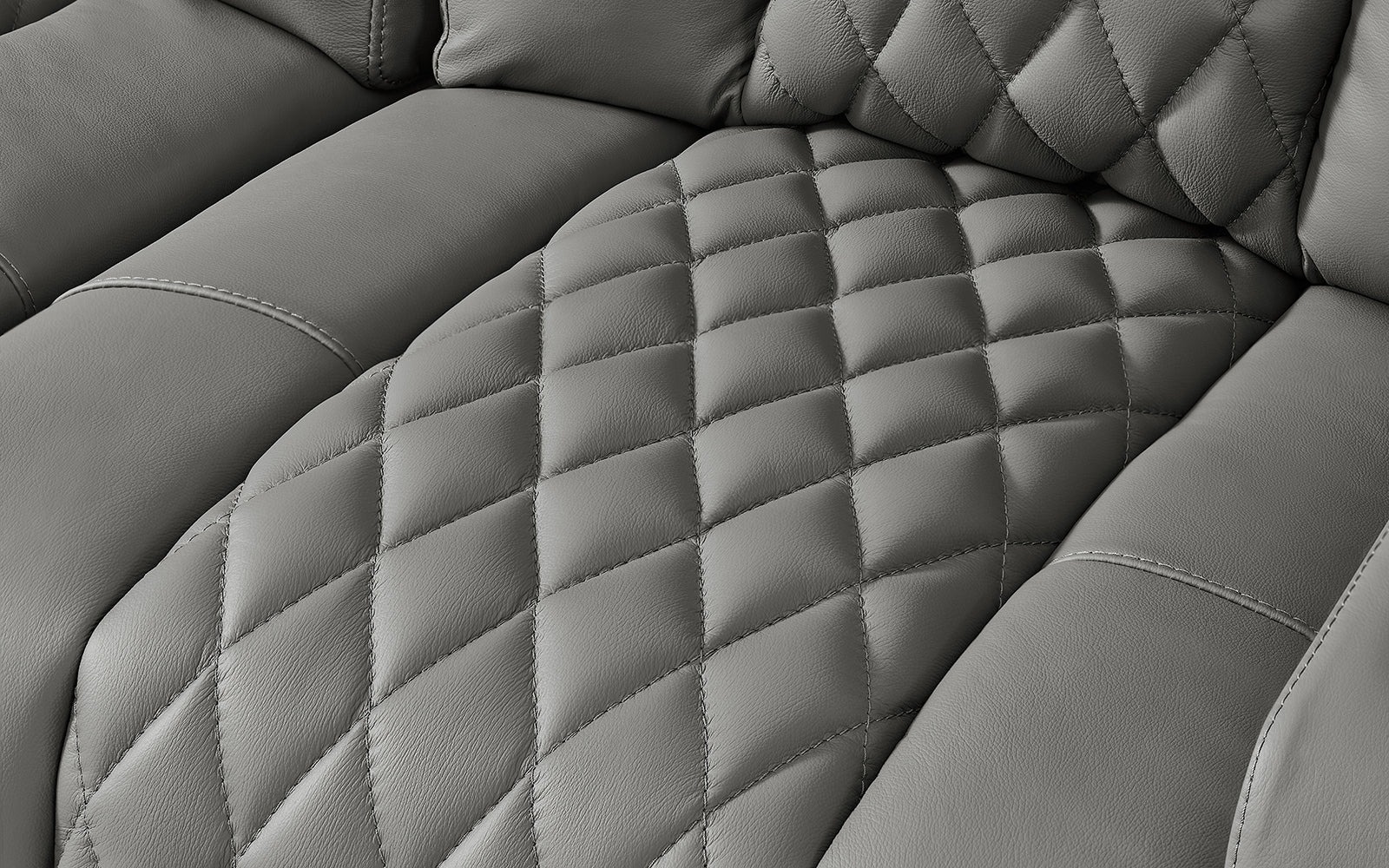
A leather loveseat is a two-seat sofa upholstered in genuine or engineered leather, and within the home theater world, leather recliners represent the most sought-after subset. These pieces combine the classic elegance of leather with built-in reclining mechanisms, power headrests, and sometimes even USB charging ports—all designed to keep you settled in for hours. The premium appeal is immediate: leather communicates sophistication the moment you walk into a room, and its natural resilience means it can handle years of regular use without sagging or pilling the way many fabric alternatives do. Cleaning is refreshingly simple—a damp cloth handles most spills before they become stains, which is a genuine advantage when popcorn butter and soda are part of every screening. That said, leather does come with trade-offs. High-quality hides carry a higher upfront cost, and without periodic conditioning, the surface can dry out or crack over time, especially in low-humidity environments. Understanding these dynamics is the first step toward deciding whether leather belongs in your theater.
Benefits of Leather Recliners for Movie Enthusiasts
For anyone who regularly settles in for two-hour films or back-to-back episodes, leather recliners deliver a noticeable comfort advantage. The material conforms gradually to your body’s contours, creating a personalized seat feel that improves with age rather than deteriorating. Durability is another major draw—top-quality leather resists the friction and pressure of repeated reclining cycles far better than most woven textiles, making it a smart long-term investment for dedicated viewers. From a style perspective, leather is remarkably versatile. Whether your home theater loveseat leans toward a sleek modern aesthetic with black or charcoal tones or a warmer traditional vibe with rich cognac or chestnut shades, there is a leather finish that integrates naturally with your existing decor and lighting scheme.
Material Considerations: Ensuring Longevity
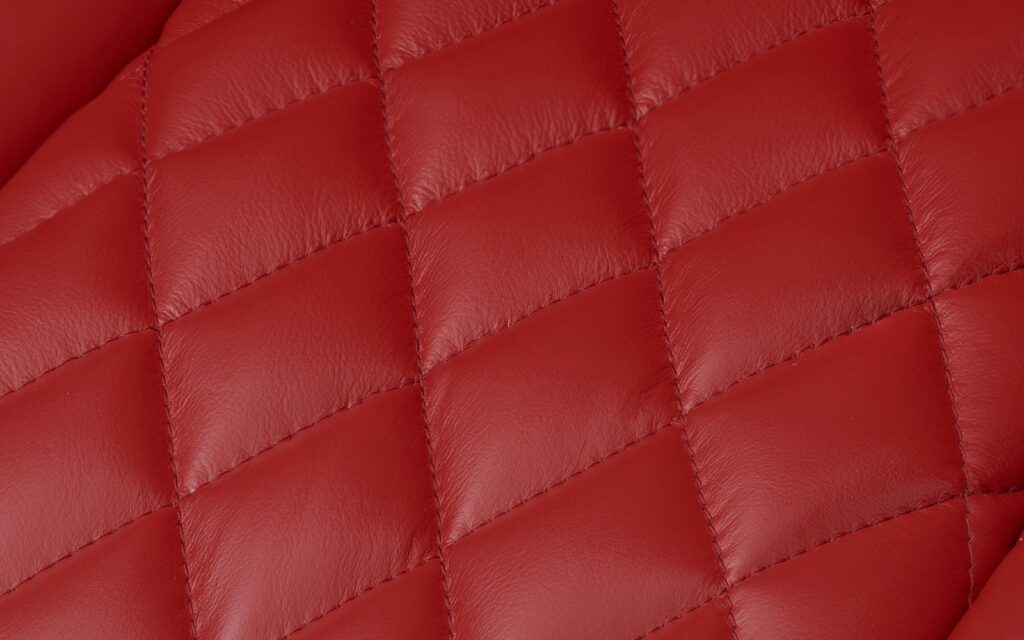
Not all leather is created equal. Bonded leather blends real hide fibers with synthetic backing, offering a lower entry point but sacrificing longevity—it tends to peel after a few years of heavy use. Top-grain leather, by contrast, retains the hide’s strongest outer layer and develops an attractive patina over time, making it the preferred choice for durable materials in a theater setting. Full-grain sits at the top tier, though it’s less common in mass-market furniture. Whichever grade you choose, routine care matters: condition the surface every six to twelve months with a leather-specific product, keep the loveseat out of direct sunlight, and blot spills immediately rather than rubbing them in.
Space-Saving Solutions: Compact Loveseats Explained
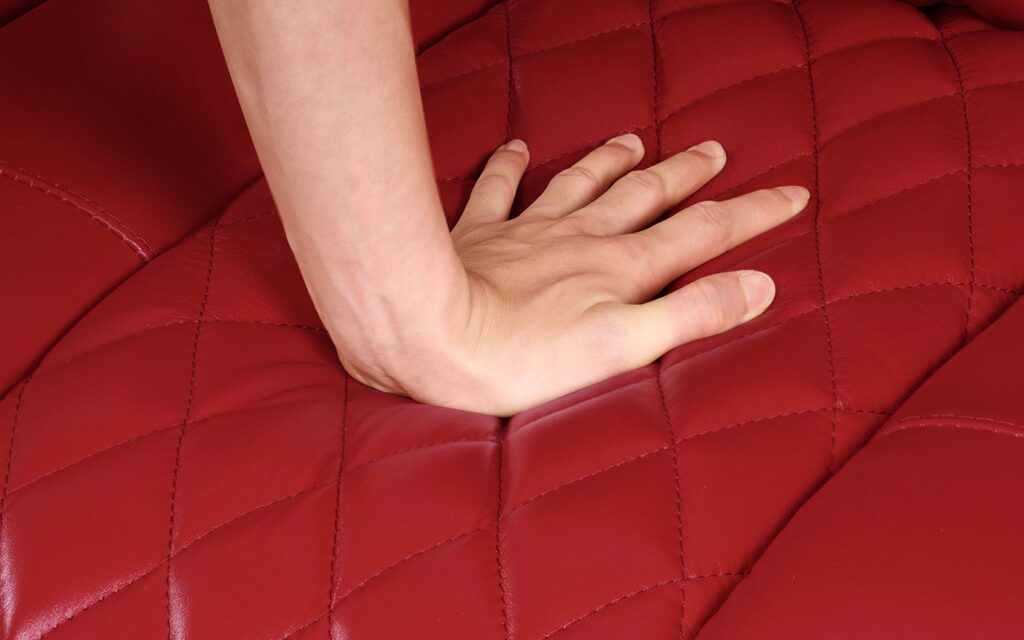
Not every home theater enjoys the luxury of a sprawling dedicated room. Many movie lovers carve out viewing spaces in apartments, multi-use dens, or narrow bonus rooms where every square foot counts. This is where a compact loveseat earns its place. Designed with smaller footprints—typically shaving several inches off the width and depth of standard models—compact loveseats deliver two-person seating without dominating the floor plan. The result is a room that still feels open enough for proper speaker placement, walkways, and even additional seating when guests arrive. Beyond raw dimensions, compact models shine through the variety of seating configurations they support. Modular designs let you separate sections, rearrange them into an L-shape for a corner setup, or push them together for a traditional loveseat profile, adapting to whatever the evening calls for. Some compact loveseats also incorporate slim armrests or armless designs that further reduce their visual and physical weight, making them ideal for rooms that double as a living area during the day and a theater at night.
Advantages of Compact Seating Configurations
The real power of compact loveseats lies in their adaptability. In a dedicated theater with tiered risers, a pair of compact units can occupy a row that a single oversized sofa would crowd, giving each viewer a clear sightline to the screen. In a multipurpose room, modular compact pieces can be pushed against a wall after movie night to free up space for exercise, gaming, or entertaining. This flexibility extends to households that evolve—add a new section when the family grows, or split the loveseat across two rooms when needs change. Because compact seating configurations keep the layout fluid, you’re never locked into a single arrangement, which is a practical advantage that bulkier furniture simply cannot match.
Durable Materials in Compact Models
Compact doesn’t have to mean flimsy. Many manufacturers now offer compact loveseats in performance fabrics engineered to resist staining, fading, and pilling—qualities that rival leather’s easy-care reputation. Microfiber and polyester blends are popular choices, providing a soft hand feel while standing up to heavy use. For buyers who still want the look of leather without the bulk, scaled-down leather or high-quality faux leather options deliver that aesthetic in a slimmer frame. When evaluating durable materials in compact models, pay attention to frame construction as well; kiln-dried hardwood or reinforced metal frames ensure the loveseat holds its shape season after season, regardless of the upholstery you choose.
Meeting Movie Enthusiasts’ Needs: A Comparative Analysis
When you strip away marketing language and focus on what movie enthusiasts actually need, the leather-versus-compact debate becomes surprisingly personal. Both options can deliver an exceptional viewing experience, but they excel in different scenarios. A couple who hosts weekly film nights and values a cinematic atmosphere will gravitate toward different features than a solo viewer optimizing a studio apartment for nightly streaming. The key is matching your seating choice to the specific demands of your lifestyle, room, and viewing habits rather than defaulting to whichever option looks best in a showroom.
Comfort for Long Movie Sessions
Leather recliners typically win on raw comfort during extended marathons. Their generous padding, power-reclining mechanisms, and adjustable headrests let you shift positions without ever leaving your seat—a genuine advantage when a trilogy runs past the four-hour mark. The leather surface also breathes better than many people assume, particularly top-grain varieties that allow modest airflow. Compact loveseats, meanwhile, have closed the comfort gap significantly. Many now feature high-density foam cores and ergonomic lumbar support that rival larger models, though their shallower seat depth may feel less enveloping for taller viewers. If your sessions regularly exceed two hours, prioritize deep cushioning and reclining capability regardless of size category. For shorter, more casual viewing, a well-padded compact model with supportive back cushions often proves more than adequate while keeping the room uncluttered.
Aesthetic Integration with Home Decor
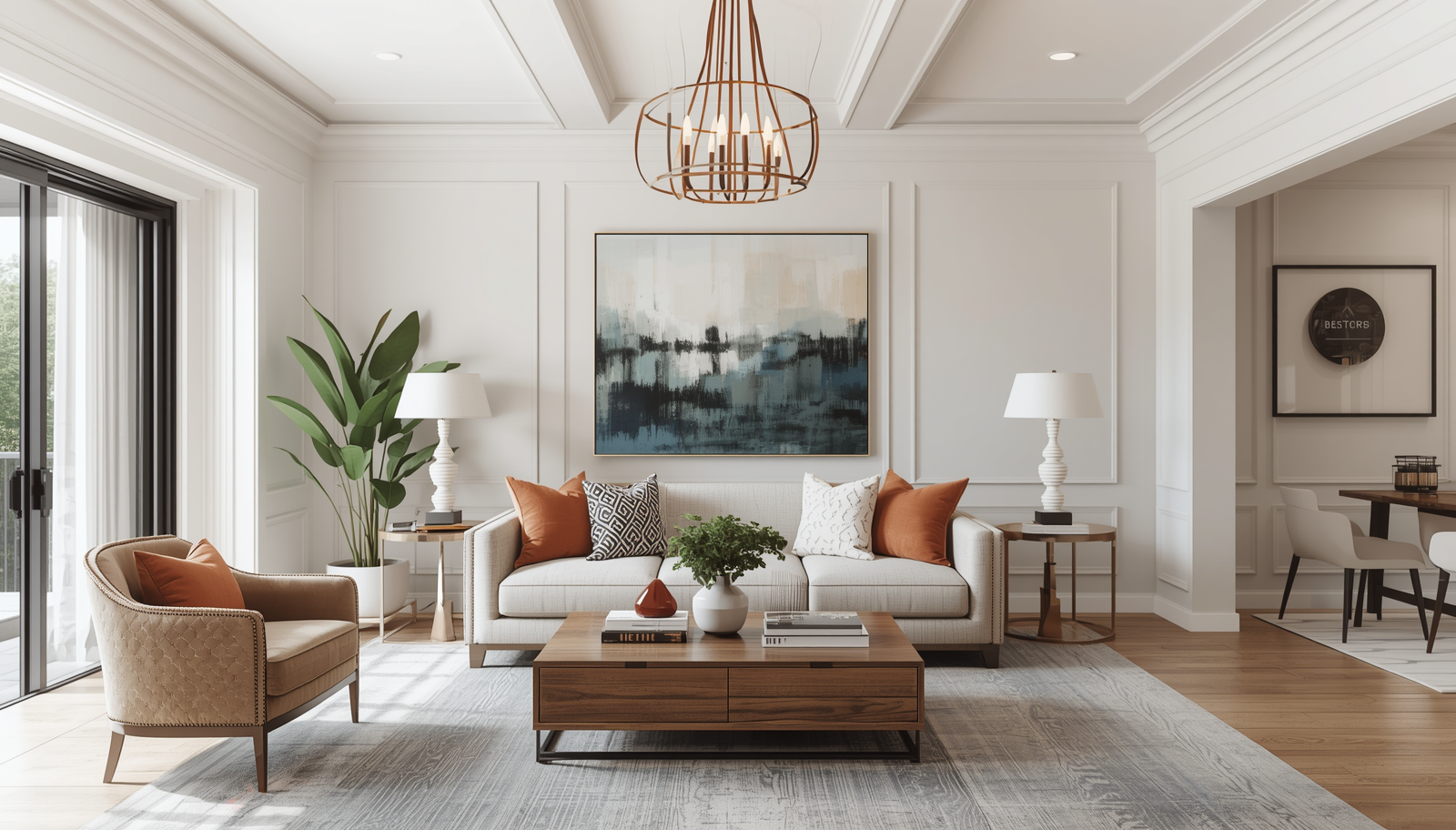
Leather loveseats project a classic, upscale theater look that pairs naturally with dark accent walls, ambient LED lighting, and wooden trim—elements common in dedicated home cinemas. Their color palette tends toward neutrals and earth tones, which simplifies coordination with existing furniture. Compact loveseats offer broader design diversity. Available in dozens of fabric textures, patterns, and colors, they adapt more easily to rooms that serve multiple purposes or follow contemporary, Scandinavian, or eclectic design schemes. If your home theater doubles as a living room, a compact model in a coordinating upholstery can blend into the daytime decor without announcing itself as “theater furniture.” Ultimately, choose seating configurations and durable materials that echo the room’s existing visual language—matching undertones, complementing textures, and maintaining proportional balance with surrounding pieces—so the loveseat enhances rather than disrupts the space.
Practical Solutions: Choosing Your Best Home Theater Loveseat
Knowing the strengths of leather and compact loveseats is only half the equation—the other half is translating that knowledge into a purchase you won’t regret. The selection process becomes far less overwhelming when you break it into deliberate, sequential steps that account for your room, your habits, and your wallet. Rather than wandering a showroom floor hoping inspiration strikes, approach the decision the way you’d plan a home theater build: measure first, research second, and commit only when every variable lines up.
Step-by-Step Selection Guide
Start by measuring your space thoroughly. Record the room’s length, width, and any obstructions like doorways, speaker stands, or risers, then map out viable seating configurations on paper or with a free room-planning app. This single step eliminates options that simply won’t fit and clarifies whether a full-size leather recliner or a compact loveseat is realistic. Next, define your priority. If long-session comfort and a cinematic atmosphere top your list, leather recliners deserve serious consideration. If flexibility, room flow, and multipurpose functionality matter more, lean toward a compact model with modular potential. Third, evaluate durable materials by requesting swatches or visiting a showroom—run your hand across top-grain leather and performance microfiber side by side to feel the difference in texture and weight. Fourth, set a realistic budget that includes delivery fees and any accessories like cup-holder inserts or riser platforms. Compare at least three models within that range, reading user reviews that specifically mention durability after one or more years of use. Retailers like Comfiroom often provide detailed material specifications and customer feedback that can help you compare options without visiting multiple showrooms. Finally, test before you buy whenever possible. Sit in each candidate for at least ten minutes, recline fully, and simulate your typical viewing posture to confirm the seat depth, headrest height, and armrest width suit your body.
Balancing Features, Budget, and Needs
Few buyers get everything on their wish list, so knowing where to invest and where to compromise is essential. Allocate the largest share of your budget to durable materials and frame construction—these determine how the loveseat feels and performs years from now, long after the novelty of color or style fades. If a full leather recliner stretches your budget too thin, consider a compact loveseat upholstered in high-quality faux leather; you gain the visual warmth of leather and a smaller footprint without the premium hide cost. Conversely, if comfort is non-negotiable but space is tight, look for slim-profile leather recliners engineered with wall-hugger mechanisms that need only a few inches of clearance behind them. On the aesthetic side, choose a neutral tone that complements your current decor so the loveseat integrates naturally whether the room is lit for a movie or for everyday use. Remember that seating configurations can evolve—modular compact pieces let you add sections later, while a standalone leather loveseat can be supplemented with accent chairs as your theater grows. By anchoring your decision in the three pillars of comfort, durability, and spatial harmony, you ensure the loveseat you bring home serves both tonight’s movie and countless screenings to come.
Leather or Compact: Finding the Right Loveseat for Your Theater
Choosing between a leather loveseat and a compact model ultimately comes down to understanding what you value most in your home theater experience. Leather recliners deliver premium comfort, timeless style, and impressive longevity—qualities that reward movie enthusiasts who prioritize sinking into a luxurious seat for marathon viewing sessions and want durable materials that age gracefully over the years. Compact loveseats, on the other hand, excel where space is limited or flexibility is paramount, offering adaptable seating configurations that reshape themselves around your room and your life as both evolve. The good news is that neither option demands you sacrifice quality. Today’s compact models feature robust frames and performance upholstery that rival larger counterparts, while slim-profile leather recliners bring cinematic luxury into tighter footprints than ever before. What matters is aligning your choice with your specific room dimensions, viewing habits, and design preferences rather than chasing a one-size-fits-all answer. Take the time to measure your space, test candidates in person, and invest where it counts—in frame integrity and upholstery quality—so your loveseat enhances every screening for years to come. Now grab your remote, dim the lights, and enjoy the theater you’ve built around the seat that fits you best.