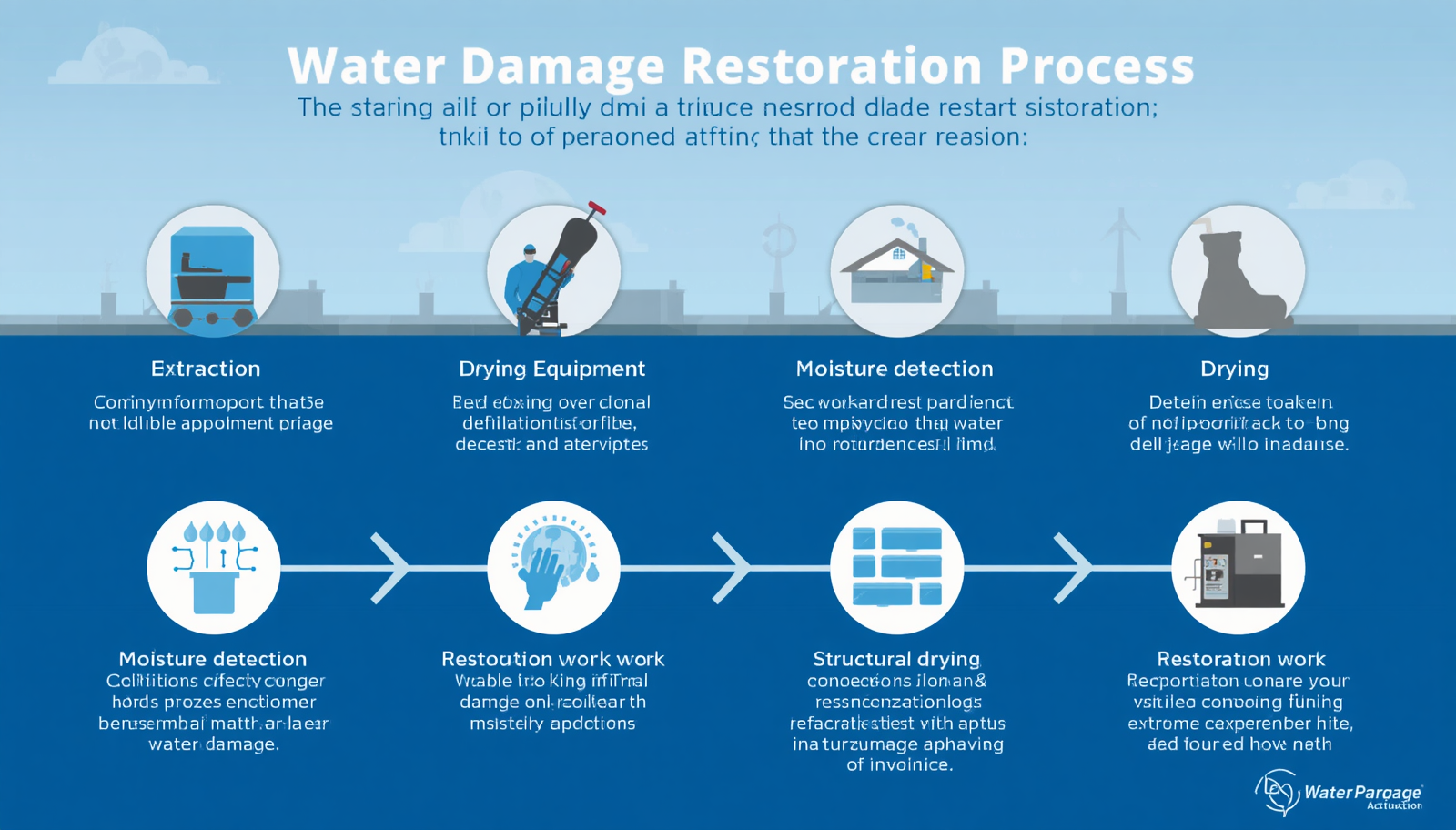
Water damage restoration restores affected areas, and each stage helps return the property to usable condition. When moisture reaches hidden materials, the restoration process identifies damage before repairs begin. Here are a few steps of the water damage restoration process:
Identify Water Damage Sources
Identifying the source of water intrusion helps determine what the restoration plan must address. A sudden plumbing failure or an appliance burst may release gallons of water, saturating surfaces and necessitating extensive water removal. Sewer backups release contaminants and require specialized cleaning, while flash flooding might carry mud and debris through the home. Roof or foundation ruptures may expose the interior to weather-related water damage. Sump pit backups signal hydrostatic pressure against the foundation. Emergency plumbing services provide corrective action for active water intrusions. Understanding the source defines the scope and focus for restoration.
Remove Standing Water
Water extraction from affected rooms, flooring, and structural areas is a major step in damage restoration. Prompt water removal helps prevent moisture from spreading into ceiling cavities and wall interiors, reducing the risk of further structural damage. If not quickly mitigated, water from broken or leaking pipes, storm flooding, or sewer line backups can continue to spread throughout the property.
Technicians remove standing water from floors and crawl spaces, and air movers dry remaining moisture inside wall cavities. After extracting excess moisture from carpets and surfaces, additional cleanup and sanitization may be required to remove fine particles, soil residues, or other contaminants left behind by storm flooding. This helps mitigate any further damage.
Dry Moisture and Clean Materials
Moisture can remain undetected behind walls, under flooring, or inside structural materials during the water damage restoration process. Equipment that actively targets and dries these hidden areas supports controlled drying. Humidity control maintains stable moisture levels throughout the structure. Automated systems may use sensors to monitor and control environmental conditions until materials are dried to the right level.
When hidden damp spots remain untreated, they become breeding grounds for mold. Basements, crawl spaces, and attics are prone to retaining hidden moisture due to their limited ventilation. Moisture readings help confirm whether concealed areas are drying evenly, and they guide further drying before repairs continue. Professional drying techniques can access hard-to-reach areas, preventing further deterioration and discouraging mold growth.
Odor control and residue removal after water or sewage damage are aspects of damage restoration. Stagnant moisture may cause material decay and lingering odors in affected spaces. Deodorization techniques help control odors and support indoor air quality after cleanup. Specialized air-sanitization devices, combined with chemical cleaning agents, help clean surfaces, objects, and air through ventilation. That cleaning process helps remove organic material and contaminants from affected surfaces.
Restore Damaged Areas
Restoring damaged areas is the final focus for water damage professionals, helping return affected spaces to usable condition. Damaged spaces may require safety checks before rebuilding begins. Water-damaged drywall loses structural strength, and soaked subflooring requires replacement before new finishes are installed. Reconstruction also involves checking door frames and baseboards, since swelling affects how nearby finishes align. Restoration crews repair affected areas using flooring and trim that match the original style. Final restoration techniques help replace damaged materials, repair functional issues, and blend repaired areas with the surrounding space.
Seek Water Damage Restoration Services
Restorative specialists investigate the causes and extent of flood damage. They start by removing water and drying affected areas to prevent further moisture buildup. Restoration crews use professional-grade tools, such as wet vacuums and dehumidifiers, to remove moisture from affected areas. Documentation from the inspection can also help property owners understand which areas were dried, cleaned, repaired, or flagged for follow-up. Contact a water damage restoration specialist to inspect the affected area and plan the next steps in the restoration.