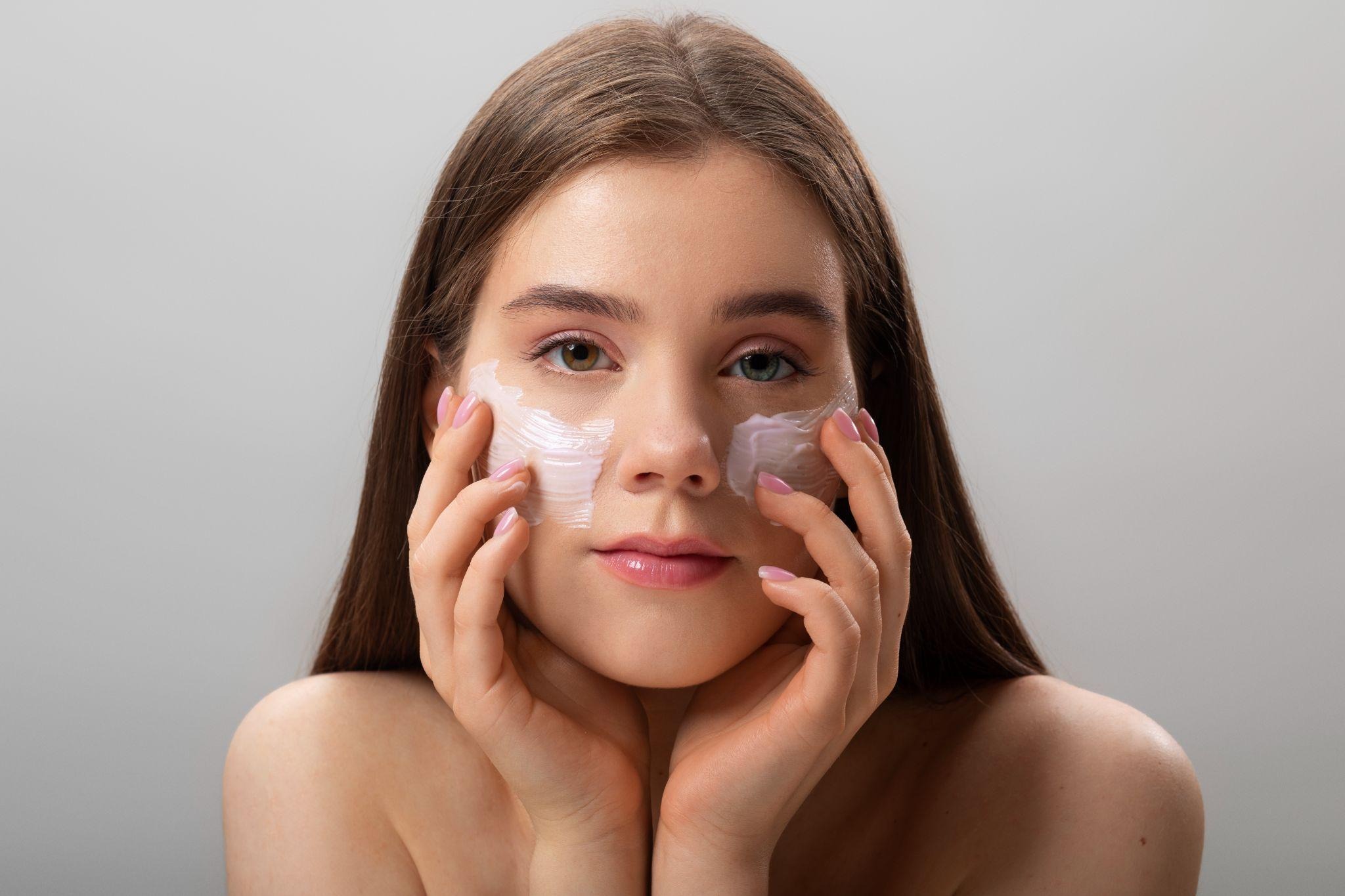
For those with oily skin, finding the right sunscreen can feel like a daily struggle. Traditional sunscreens often leave a greasy residue or cause breakouts, making many people hesitant to use them consistently. Luckily, the skincare world has introduced alternatives that cater specifically to oily skin types. Two popular options are matte gel sunscreen and regular sunscreen, each with its own benefits and considerations. In this article, we’ll explore how gel sunscreen for oily skin stacks up against regular formulations and why a matte finish might be a game-changer.
Understanding Oily Skin and Sunscreen Needs
Oily skin occurs when sebaceous glands produce excess sebum, leading to shine, enlarged pores, and sometimes acne. The wrong sunscreen can exacerbate these issues, making your skin feel heavy or greasy. That’s why selecting the right sunscreen for oily skin is crucial.
Regular sunscreens, especially cream- or lotion-based ones, are designed to provide broad-spectrum protection against UVA and UVB rays. While effective, they often contain occlusive agents and oils that can make oily skin feel even heavier. On the other hand, gel-based formulas are lighter, absorb quickly, and leave a more breathable layer on the skin.
What Is Matte Gel Sunscreen?
Matte gel sunscreen is a hybrid between a lightweight gel and a mattifying skincare product. It is specifically formulated to:
- Reduce shine
- Absorb excess oil
- Provide a non-greasy finish
- Offer broad-spectrum sun protection
Unlike traditional sunscreens, which may feel sticky or leave a white cast, matte gel sunscreens are designed to sit comfortably on the skin, making them ideal for daily wear under makeup or alone.
Benefits of Gel Sunscreen for Oily Skin
When comparing gel sunscreen for oily skin to regular formulations, several benefits become clear:
- Lightweight Texture – Gel sunscreens feel much lighter than thick cream-based options, allowing for easy absorption without clogging pores.
- Matte Finish – Many gel sunscreens are formulated to provide a matte finish, which helps control shine throughout the day.
- Non-Comedogenic – Because they are often free from heavy oils, gel sunscreens are less likely to cause breakouts.
- Layering Friendly – Gel formulas work well under makeup or other skincare products, unlike some regular sunscreens that may pill or slide off.
These characteristics make gel sunscreens particularly appealing to people with oily skin, who often avoid sunscreen altogether due to fear of greasiness.
How Regular Sunscreens Affect Oily Skin
Regular sunscreens, while highly protective, can be a double-edged sword for oily skin. Cream or lotion sunscreens tend to have richer textures and ingredients like mineral oils or emollients, which can:
- Make the skin appear shiny
- Increase the likelihood of clogged pores and acne
- Feel heavy, especially in hot or humid climates
While these sunscreens are excellent for dry or normal skin types, they may not be the best choice for someone struggling with excess oil. That doesn’t mean they should be completely avoided—many regular sunscreens now come in oil-free or lightweight variants—but they generally require more careful selection for oily skin.
Key Differences Between Matte Gel and Regular Sunscreen
| Feature | Matte Gel Sunscreen | Regular Sunscreen |
| Texture | Lightweight, gel-like | Creamy or lotion-based |
| Finish | Matte, non-greasy | Can be shiny or heavy |
| Oil Control | Absorbs excess oil | May increase shine |
| Suitability for Makeup | Excellent base | Can pill under makeup |
| Pore Friendliness | Non-comedogenic | Varies, may clog pores |
As the table shows, the main advantage of matte gel sunscreen is its ability to provide sun protection without aggravating oily skin issues.
Tips for Choosing the Right Sunscreen for Oily Skin
- Look for “oil-free” and “non-comedogenic” labels – These indicate the product won’t clog pores or add excess shine.
- Check the SPF and broad-spectrum protection – Regardless of texture, effective protection is key. SPF 30 or higher is recommended for daily use.
- Test the formula – Everyone’s skin reacts differently. A small patch test can help determine if the sunscreen suits your skin type.
- Consider tinted options – Tinted matte gel sunscreens can offer added protection against visible light and help even out skin tone.
Final Thoughts
For individuals with oily skin, switching from regular sunscreen to a matte gel sunscreen can make a significant difference. Gel formulations are lightweight, non-comedogenic, and provide a matte finish that keeps excess shine under control. While regular sunscreens still offer excellent sun protection, they may feel heavy or greasy on oily skin, leading to discomfort and potential breakouts.By choosing a gel sunscreen for oily skin, you can maintain healthy, protected skin without sacrificing comfort or appearance. With the variety of options available today, it’s possible to find a product that combines sun safety, oil control, and a flawless finish. Whether for everyday wear or outdoor activities, matte gel sunscreen is an excellent choice for those looking to manage oily skin while staying sun-safe.