Global hiring presents unique challenges in today’s increasingly distributed workplace. Organizations looking to expand across borders must navigate complex labor laws, tax regulations, and administrative burdens that vary by country.
To manage these hurdles, two primary HR outsourcing models have emerged as the most effective solutions: the Professional Employer Organization (PEO) and the Employer of Record (EOR). Understanding the PEO vs EOR distinction is vital for any business leader planning international growth.
What Is a PEO?
A Professional Employer Organization operates through a co-employment model where the service provider and the client share employer responsibilities. This partnership allows businesses to outsource various HR tasks while maintaining direct control over their workforce.
The Requirement for Local Presence
The most significant prerequisite for using peo services is that your business must already have a registered local legal entity in the target country. Because the PEO acts as a co-employer, the client company must be a recognized legal employer in that jurisdiction to enter the agreement.
Scope of PEO Responsibilities
A PEO typically handles payroll administration, benefits management, and general HR compliance support. They also assist with risk management and workers’ compensation. However, a PEO cannot legally hire employees for you if you lack a local registration. This makes them a support tool rather than a full market entry solution.
What Is an EOR?
An Employer of Record serves as the legal, statutory employer on behalf of the client company. This model allows organizations to hire talent in new markets without the need to establish a local subsidiary or legal entity.
Full Employment Law Compliance
The EOR takes on the responsibility of issuing compliant labor contracts and handling all payroll, taxes, and statutory benefits. By managing the entire lifecycle of onboarding and offboarding, the EOR ensures your business adheres to every local employment law. This eliminates the risk of unintentional legal violations during international hiring.
Advantages for Remote Teams
Choosing an EOR is ideal for hiring remote or international teams quickly. It offers a fast market entry strategy with lower compliance risks compared to traditional entity set-up. You gain the ability to hire top talent globally while the provider handles complex administrative and legal heavy lifting.
Core Differences Between PEO and EOR
To determine the best path forward, you must examine the difference between PEO and EOR across several operational categories.
Legal Status and Entity Requirements
In a PEO arrangement, the company remains the primary employer through co-employment, which necessitates a local entity. Conversely, in the Employer of Record vs PEO comparison, the EOR is the sole statutory employer. This means no local entity is required on the part of the client company.
Risk and Speed of Hiring
The EOR holds the primary legal responsibility for employment compliance, whereas a PEO shares that liability with your business. Furthermore, hiring via an EOR is nearly immediate through the provider’s established infrastructure. A PEO timeline depends entirely on whether your business has already completed its local registration.
How to Choose Between PEO and EOR
Selecting the right partner depends on your existing infrastructure and your long-term goals for a specific region.
When to Select a PEO
Choose a PEO if you already have a legal entity in the target country and only need HR administrative support. This model is best if you prefer co-managing HR with a service partner and already have the legal standing to hire staff directly.
When to Select an EOR
Choose an EOR if you want to hire in a country where you do not have an entity. This is the preferred route for fast, low-risk market entry. It allows you to test new markets before committing to the expense of setting up a company and provides a fully managed solution with minimal administrative burden.
Why EOR Is Often the Better Choice for Global Expansion
For most companies expanding into multiple countries, the EOR model proves superior due to its inherent flexibility. It eliminates the need for costly and time-consuming entity setup, which can often take months and thousands of dollars in legal fees.
An EOR simplifies the complexities of cross-border hiring by ensuring full compliance with local labor laws from day one. This supports both long-term growth and short-term project-based hiring without the permanence of a local office. It is the most scalable way to build a global team without the traditional barriers of entry.
Choose a Trusted EOR Provider
We recommend BIPO as your reliable global EOR provider to facilitate your next expansion.
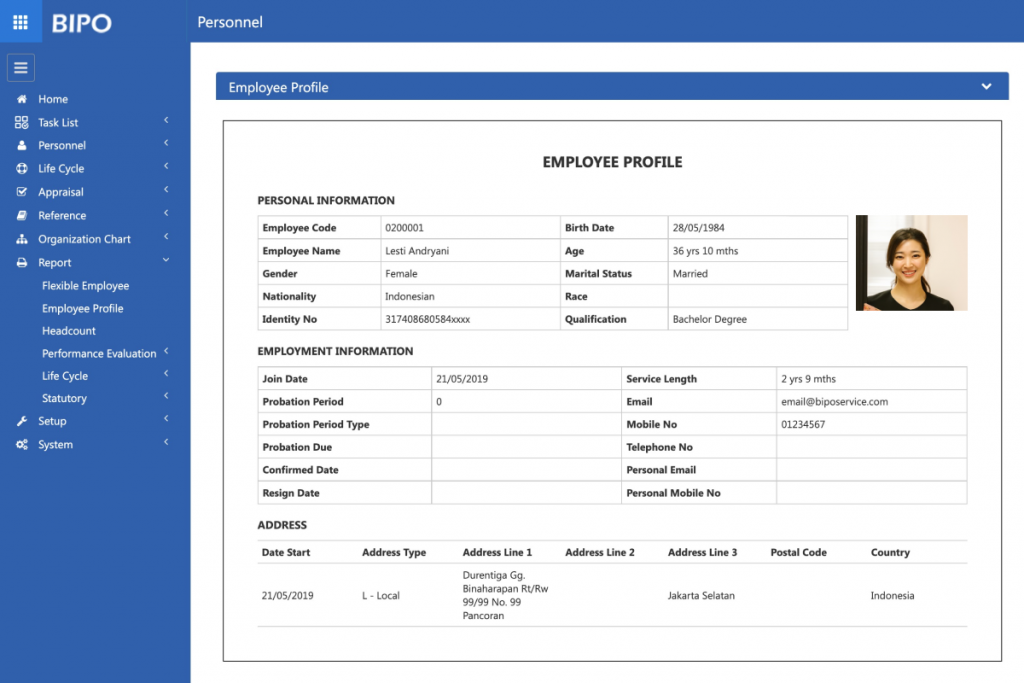
BIPO offers a comprehensive suite of services that includes global payroll, EOR solutions, and a sophisticated HR Management System. BIPO’s platform ensures that your international team is supported by compliant contracts and accurate payroll, regardless of where they are located.
With BIPO, you can scale your workforce with confidence, knowing that your global employment needs are handled by experts in the field.