The dream of a private outdoor sanctuary often begins with visions of weekend relaxation, but for many homeowners, that dream quickly dissolves into a never-ending cycle of weeding, pruning, and scrubbing. The fundamental difference between a backyard that serves as a peaceful retreat and one that becomes a burdensome second job lies in the initial strategy of design and material selection.
A low-maintenance yard is rarely the result of luck; it is a calculated arrangement of elements that resist the natural urge of the environment to reclaim the space. While one neighbor might spend every Saturday morning battling invasive clover and repainting weathered deck boards, another enjoys a pristine view with nothing more than a light breeze.
This disparity usually stems from how well the outdoor components harmonize with the local climate and how much “biological work” is required to keep them looking sharp. By shifting the focus from high-effort aesthetics to durable, self-sustaining materials, a homeowner can drastically reduce their annual workload. Achieving this balance requires looking past the immediate beauty of a garden center display and considering the ten-year trajectory of every stone, plant, and water feature introduced to the landscape.
The Foundation of Hardscaping and Material Durability
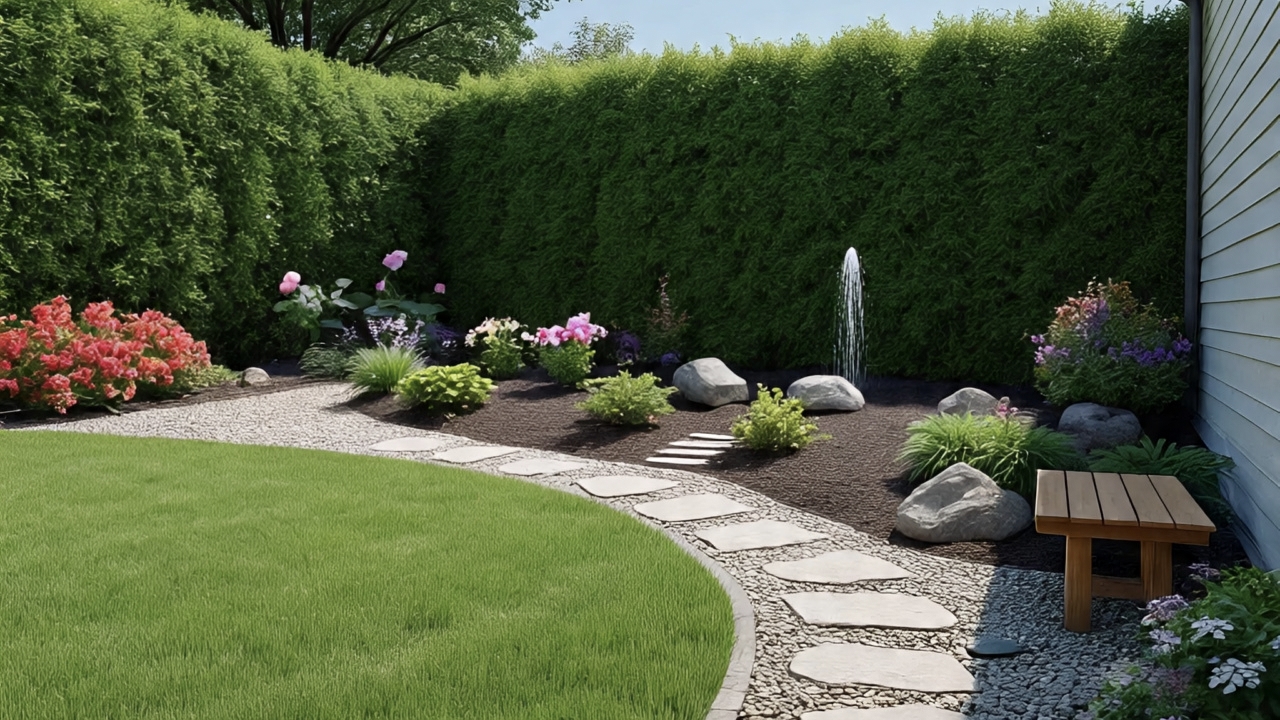
The primary reason some yards stay effortless is the ratio of hardscaping to softscaping. When you replace vast expanses of thirsty turf with high-quality pavers or composite decking, you effectively eliminate the need for mowing, fertilizing, and aeration. However, not all hard surfaces are created equal; porous stones like limestone may require frequent sealing to prevent deep-seated algae stains, whereas non-porous materials stay clean with minimal intervention.
This philosophy of choosing smooth, resilient surfaces extends even to luxury additions like water features, where many modern families now opt for fiberglass swimming pools available because their gel-coated finish naturally inhibits algae growth and requires significantly fewer chemicals than traditional concrete alternatives.
By centering the backyard around these “set-and-forget” elements, you create a structural skeleton that looks polished year-round without the intervention of specialized tools or back-breaking labor. The goal is to minimize the surface area that can host weeds or trap debris, ensuring the ground stays as maintenance-free as the walls of your home.
Smart Landscaping and the Power of Native Species
Beyond the stone and structural elements, the choice of greenery dictates the long-term energy output required for the yard. High-maintenance backyards are often filled with “exotic” plants that aren’t adapted to the local soil or rainfall patterns, necessitating constant watering and pest control. Conversely, low-maintenance sanctuaries rely heavily on native species that have evolved to thrive in the local environment without human help. These plants naturally resist local diseases and typically require zero supplemental irrigation once established.
Furthermore, grouping plants with similar hydration needs a practice known as hydrozoning prevents the inefficient “scatter-shot” watering that often leads to weed outbreaks in bare, damp soil. By covering open earth with a thick layer of organic mulch or stone, you suppress weed seeds and lock in moisture, further reducing the need for hands-on gardening. This transition from a high-needs garden to a self-sufficient ecosystem is the secret weapon of the relaxed homeowner.
Managing the Elements: Drainage and Debris Control
A major factor that separates a tidy yard from a messy one is how it handles the “inputs” of nature, such as rainwater and falling leaves. Backyards that lack a proper drainage plan often suffer from soil erosion, mud pits, and standing water, all of which require constant cleanup and repair. A low-maintenance design incorporates subtle grading and perhaps a French drain to whisk water away before it can damage the landscape. Additionally, the placement of large deciduous trees matters immensely; if a tree drops heavy fruit or sticky sap directly onto a patio or pool, the daily cleaning requirement skyrockets.
Strategic homeowners place these trees on the periphery of the property, where their shade can be enjoyed without their debris cluttering the primary living zones. When a yard is designed to “self-clean” by directing water and wind-blown debris away from high-traffic areas, the amount of manual sweeping and power washing needed to maintain a high-end look is cut by more than half.
Automation and the Modern Maintenance-Free Aesthetic
The final piece of the puzzle for a low-maintenance backyard is the integration of smart technology and automated systems. In the past, even a well-designed yard required manual intervention for lighting and hydration, but today’s systems operate on a “loop” that requires almost no oversight. Smart irrigation controllers use local weather data to skip watering cycles when it rains, preventing the over-saturation that leads to fungal growth and lawn rot. Similarly, permanent LED landscape lighting eliminates the chore of replacing burnt-out bulbs every few months.
Even the task of cleaning can be automated with robotic mowers or specialized cleaners for surfaces. When these technological conveniences are layered over a foundation of durable materials and hardy plants, the backyard ceases to be a list of chores and truly becomes an extension of the indoor living space. This synergy between nature-resistant materials and automated care is why some backyards look effortlessly perfect while others seem to be in a constant state of decay.
The Long-Term Value of Simplified Outdoor Design
Ultimately, the longevity of a low-maintenance backyard is tied to the rejection of “fussy” details that don’t age well. Intricate wooden lattices, wrought iron that rusts, and delicate flowering annuals may look stunning for a single season, but they are the primary culprits behind a high-workload yard. True outdoor longevity comes from simplicity large-format stones, powder-coated metals, and perennial greenery. This simplified approach not only saves time but also preserves the financial value of the property, as future buyers are increasingly looking for “turnkey” outdoor spaces rather than projects.
A yard that stays low-maintenance is one that acknowledges the reality of time and weather, choosing to work with the environment rather than against it. By investing in quality up front and minimizing the number of moving parts, you ensure that your backyard remains a place of rest for decades to come, proving that in the world of landscaping, less truly is more.
Frequently Asked Questions
1. Is a completely “zero-maintenance” backyard actually possible? While no outdoor space is 100% maintenance-free, you can get very close. By using artificial turf, extensive hardscaping, and rock gardens instead of mulch, you can reduce work to just an occasional leaf-blowing or light rinsing.
2. Why is my “low-maintenance” gravel area suddenly full of weeds?
This usually happens because organic debris (like dust and leaves) has settled between the stones, creating a thin layer of “soil” for seeds to take root. Using a high-quality weed barrier fabric underneath and keeping the area clear of leaves can prevent this.
3. Are composite decks really better than natural wood for maintenance?
Yes. Natural wood requires sanding, staining, or sealing every 1–3 years to prevent rot and splintering. Composite materials only require an occasional wash with soap and water to maintain their color and integrity.
4. Can I convert my high-maintenance lawn into a low-maintenance one gradually?
Absolutely. Start by expanding your flower beds with mulch and native shrubs each year to slowly shrink the size of the grass area you have to mow.
5. Do native plants still need to be pruned?
Generally, native plants require much less pruning than manicured hedges, but an annual “cleanup” after the growing season is usually beneficial to keep them within their intended space and promote healthy new growth.
Conclusion
In summary, the secret to a low-maintenance backyard is a combination of foresight, material science, and ecological common sense. By prioritizing non-porous surfaces, native vegetation, and smart drainage, you can create an outdoor environment that resists the wear and tear of the elements. Whether it’s choosing a resilient pool surface or automating your irrigation, every decision made during the design phase pays dividends in free time later. Ultimately, a yard should be a place to make memories, not a place to check off chores, and with the right strategy, your backyard can remain beautiful and manageable for years to come.