Choosing the right plastic pipes and fittings matters for home plumbing. The material affects durability and cost significantly. It also affects water quality and long-term maintenance needs. This guide covers different plastic pipe types. You’ll learn their benefits and common uses for informed decision-making for your home.
Understanding Plastic Pipe and Fittings Types
Plastic piping has changed home plumbing completely. Knowing the differences in the unique properties of each type is crucial. Let’s explore the most common options:
- PVC
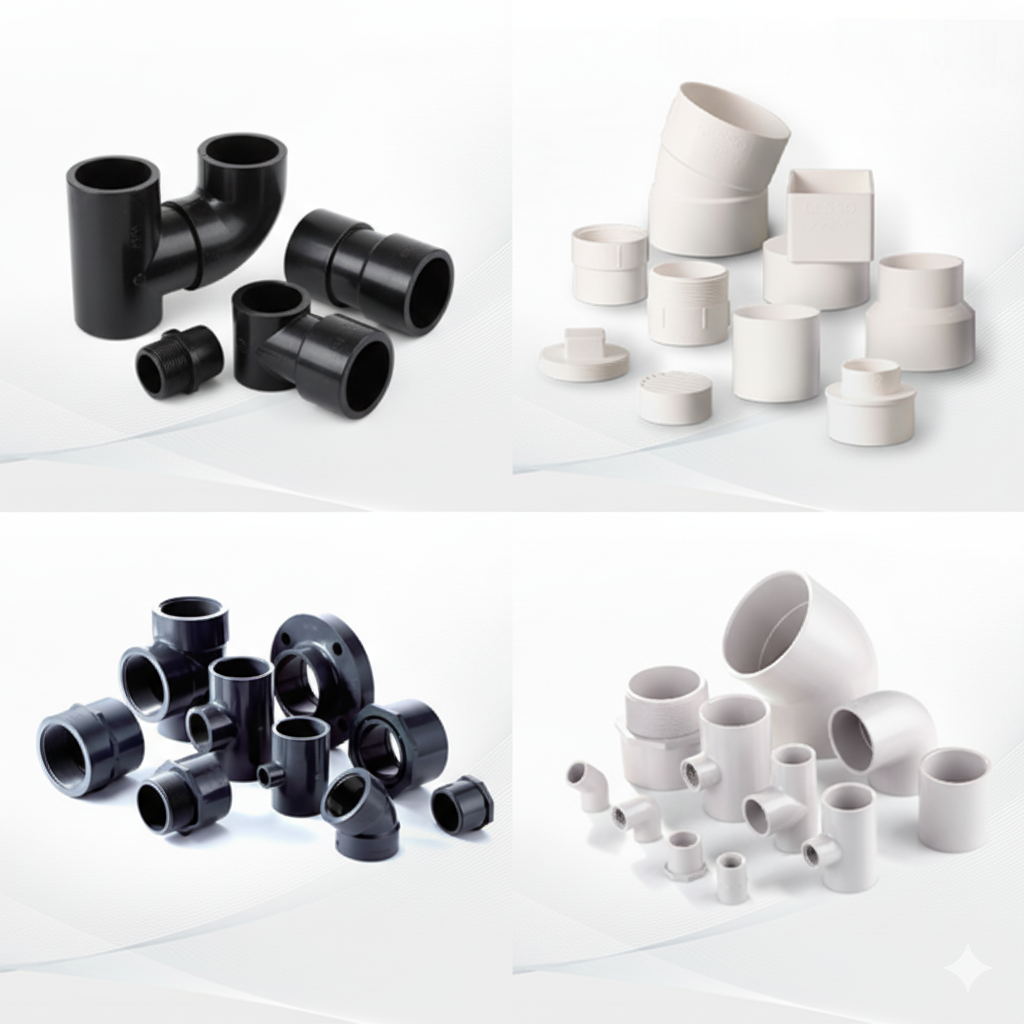
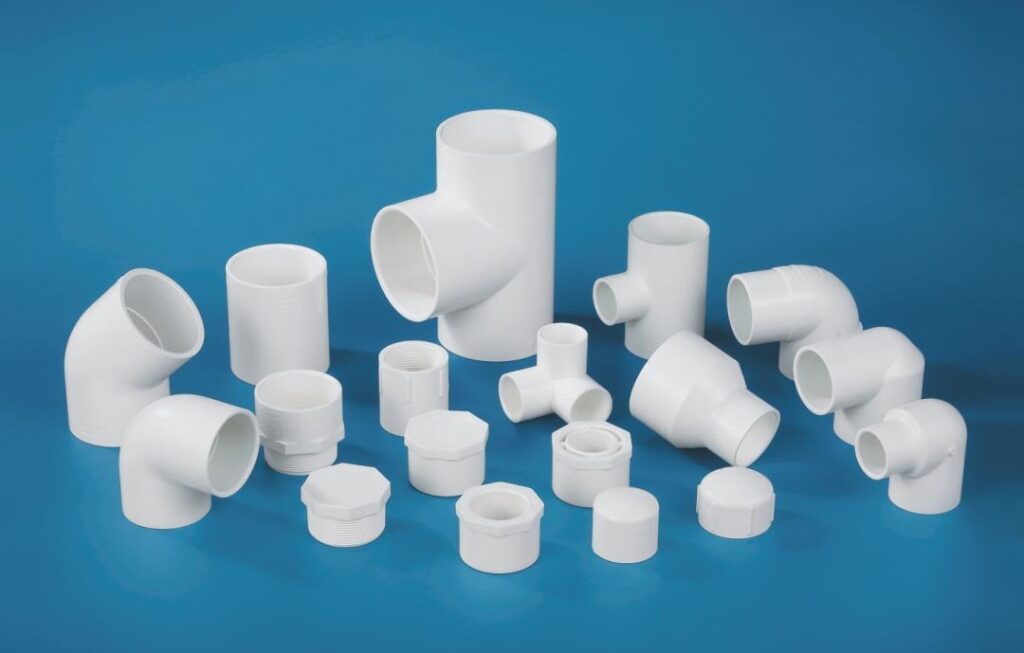
Polyvinyl chloride is very popular for cold water and drainage, and is commonly seen in white or cream colors. PVC fitting works great for drain lines and outdoor irrigation. It lasts 50 to 70 years. Heat weakens it, so skip it for hot water.
- ABS
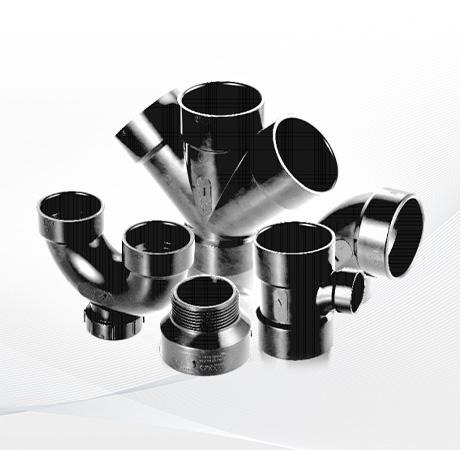
ABS is a black plastic pipe for drains and vents. It bends more easily than PVC and stays tough in cold weather. It’s a smart pick for basements and crawl spaces. ABS lasts 50 to 80 years. It’s impact-resistant and installs faster than PVC in cold weather.
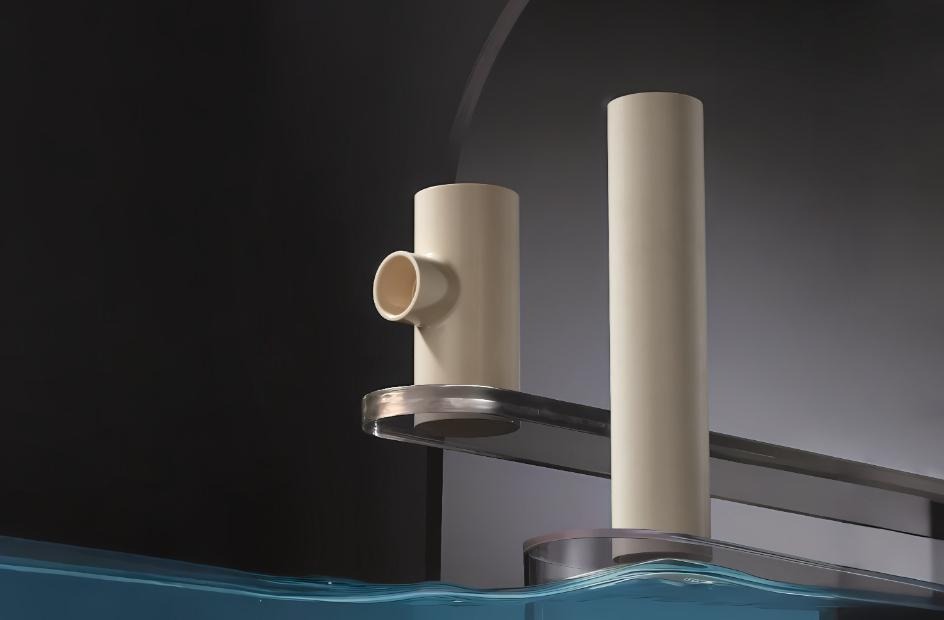
- CPVC
CPVC is PVC’s heat-tolerant cousin. It handles hot water safely up to 200 degrees. You can use it for both hot and cold water inside homes. It looks like PVC pipes and fittings, but comes in a cream color. CPVC lasts 50 to 75 years. Many building codes approve it for residential hot water.
- PEX
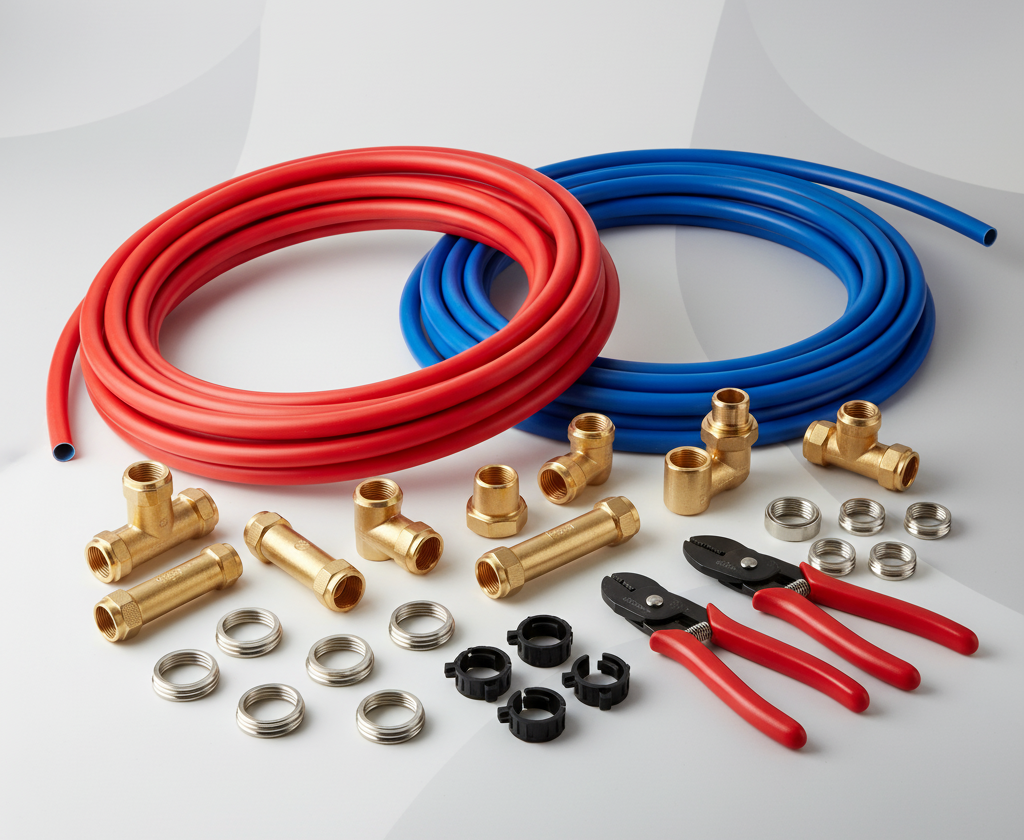
PEX flexible plastic pipes and fittings have changed home plumbing. PVC PEX fittings bend around corners without anything extra, which means fewer leak points. Available in red, blue, and white, they last 40 to 50 years and resist freezing.
- PE
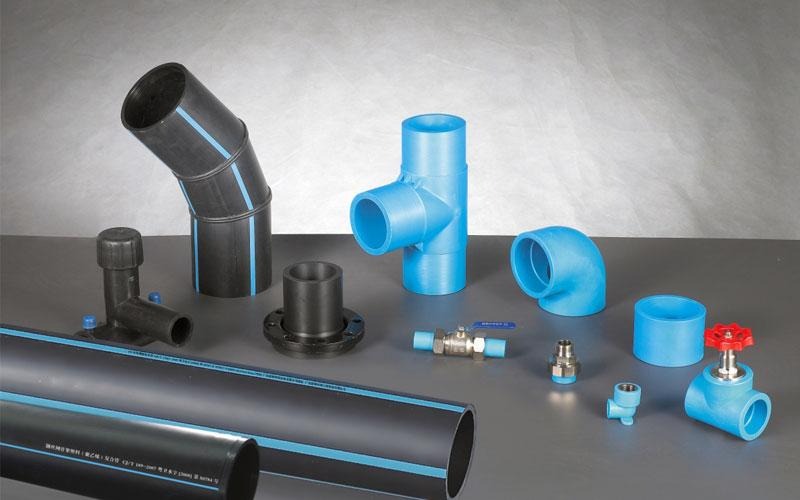
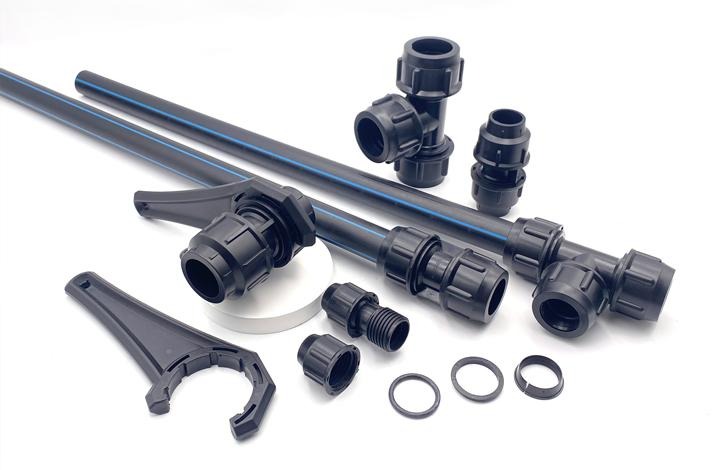
PE is mainly used outdoors for water service lines. This black or blue pipe runs from the street to your house. It’s flexible and handles ground movement well. PE lasts 50 to 100 years underground and is only suitable for cold water applications.
- PE-RT
PE-RT handles both hot and cold water. It’s like PE but with better heat resistance. You can use it for radiant floor heating and plumbing. PE-RT lasts 50 years or more. It’s flexible and tough against heat.
- PP
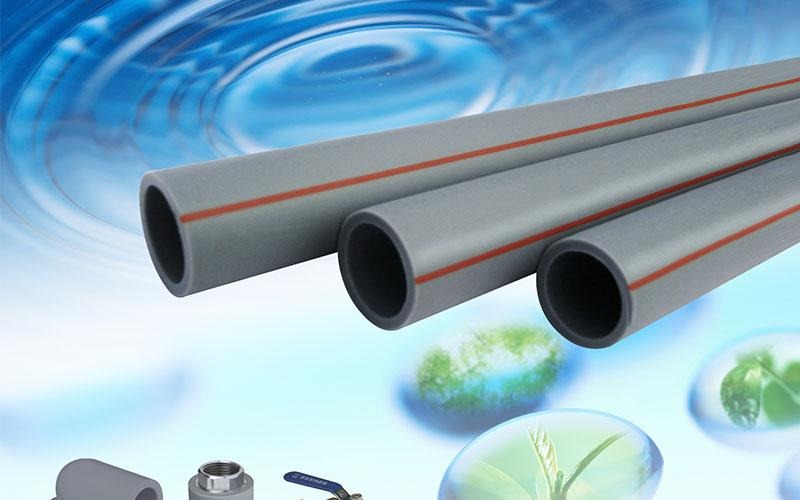
PP is polypropylene. It handles high temperatures extremely well. This gray or white pipe works for hot water systems and lasts 50 years or longer. PP plastic pipes and fittings join through heat fusion for leak-proof connections.
Key Benefits Across Plastic Pipe and Fittings
Plastic pipes beat traditional metal options in many ways. That’s why they’re now the go-to choice. From safety to savings, they deliver big advantages:
- Certified Safe
All major plastic pipes meet strict safety standards. They carry cNSFus and cUPC certifications. These pipes won’t leach chemicals into your drinking water and don’t affect taste or odor either. Building codes approve them nationwide.
- Cost & Labor Efficiency
Plastic pipes cost way less than copper or steel. They’re lighter and easier to work with, too. One person can handle what would need two with metal. Not to mention, you don’t need expensive welding equipment. Projects finish faster, saving labor costs.
- Flexibility & Retrofit-friendly
Many plastic pipes bend easily around obstacles. PEX and PE reduce the fittings you need. Flexible pipes work great in tight remodeling spaces. You can snake them through walls with ease.
- Durability & Corrosion Resistance
Plastic pipes never rust or corrode. They keep water flowing strongly for decades. Plastic resists scale buildup better than metal, so your water pressure stays consistent. They handle various chemicals without breaking down.
- Sustainability
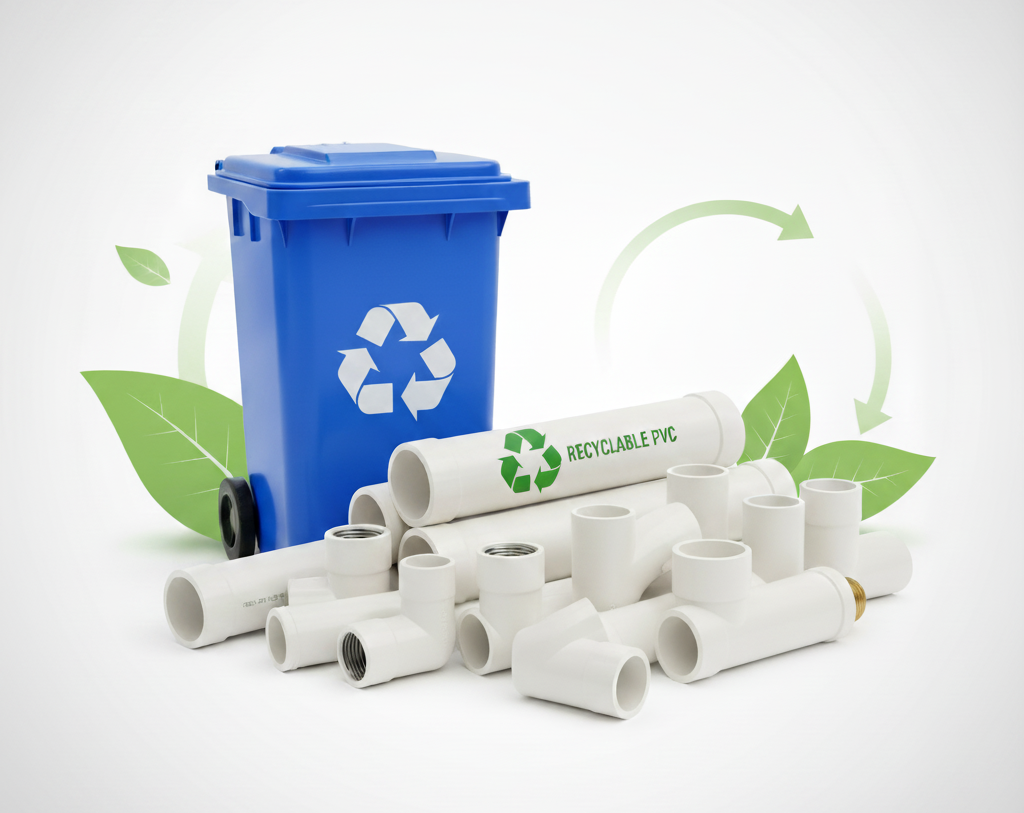
Plastic pipes are eco-friendly in several ways. Their lightweight cuts transportation fuel. Not to mention, manufacturing uses less energy than metal pipes. They last for decades, reducing replacement waste, and many are recyclable too. Choosing plastic can be a green decision.
Typical Applications in a Home
Plastic pipes work throughout your entire property. Different areas use different types. Understanding these helps you plan better:
- Water Service Lines
PE pipes bring water from the main to your house. They handle ground shifts without breaking. PE resists freezing well and runs underground for protection. These pipes provide reliable water delivery for generations.
- Water Distribution (Inside the Home)
CPVC and PEX distribute water to every fixture inside. CPVC handles hot water with rigid installation, while PEX offers flexible routing. Both work for hot and cold lines. Modern homes these days benefit more from PEX for speed and reliability.
- Drain-Waste-Vent (DWV) Systems
PVC and ABS handle waste removal and venting. They carry waste to the sewer line. Vertical stacks vent gases safely through the roof. PVC suits warmer climates. ABS works great in cold regions. Both types last for decades without problems.
- Garden Irrigation Line
PVC works perfectly for underground sprinklers. It handles pressure well and resists UV damage. PE tubing serves drip irrigation systems with the flexibility of easy routing around landscaping.
Conclusion
Plastic pipes are the backbone of modern plumbing. They offer safety, affordability, and durability. Each type serves specific purposes perfectly. Their long lifespan makes them smart investments. For quality fittings meeting the highest standards, LESSO America is a top choice. The company offers certified products with advanced technology. Its fittings exceed ASTM requirements and carry cNSFus and cUPC certifications. With nationwide distribution, LESSO America delivers reliable solutions. Visit its official website to explore professional-quality products for your home projects.