A new roof is more than just a mere upgrade—it is a vital aspect of maintaining your home’s safety and enhancing its value. Over time, every roof ages or experiences damage, prompting the need for replacement. Key signs that suggest it might be time for a new roof include visible cracks, leaks, sagging, or missing shingles. Engaging in the process of roof installation can seem daunting due to its complexity and the precision required. With the right guidance, however, homeowners can navigate the journey smoothly, knowing exactly what to expect.
Initial Consultation and Inspection
Hiring professional roofing contractors is crucial for a successful roof installation. During the initial consultation, homeowners can expect a thorough discussion of their needs, preferences, and budget limitations. This first meeting typically involves understanding the scope of the project and evaluating potential roofing materials. The inspection process follows suit, during which contractors assess the roof’s current condition to identify any underlying issues that need addressing or planning for any upgrade like installing a solar roof.
An in-depth inspection provides insights into the quality of the existing roof structure and any potential hazards or necessary repairs. Homeowners receive estimates and timelines that help them plan the project’s financial and temporal commitments. With estimates in hand, the next step involves signing a contract that lays the groundwork for the rest of the installation process.
Preparing for the Roof Installation
Preparation is an integral part of a successful roof installation. Before the actual work begins, it’s important to secure the necessary permits and adhere to local building regulations. These legal considerations ensure compliance with safety standards and avoid any hindrances during construction.
Preparation around the home is equally essential. Moving outdoor furniture and protecting landscaping become necessary tasks to mitigate damage. Homeowners might consider covering plants and delicate garden areas with tarps or protective sheets. Valuables within the house should be secured, as vibrations from construction can sometimes displace items indoors. Employing these precautionary steps helps minimise disruptions during the installation process.
Roof Removal and Site Preparation
Removing the old roofing materials marks the beginning of the hands-on installation stage. This involves carefully stripping away the existing roof to expose the deck beneath, ensuring no harm comes to the underlying structure. Proper disposal of old materials is crucial, as many roofing components are recyclable, walking the fine line between effective waste management and environmental responsibility.
Once the old roof is removed, installers prepare the roof deck for new materials. This may involve repairing any damaged sections, improving the insulation, or laying down protective barriers to enhance water resistance. Safety measures are a top priority, with professionals often using scaffolding and harnessing systems to mitigate any risks to both workers and property.
Installation of Roofing Materials
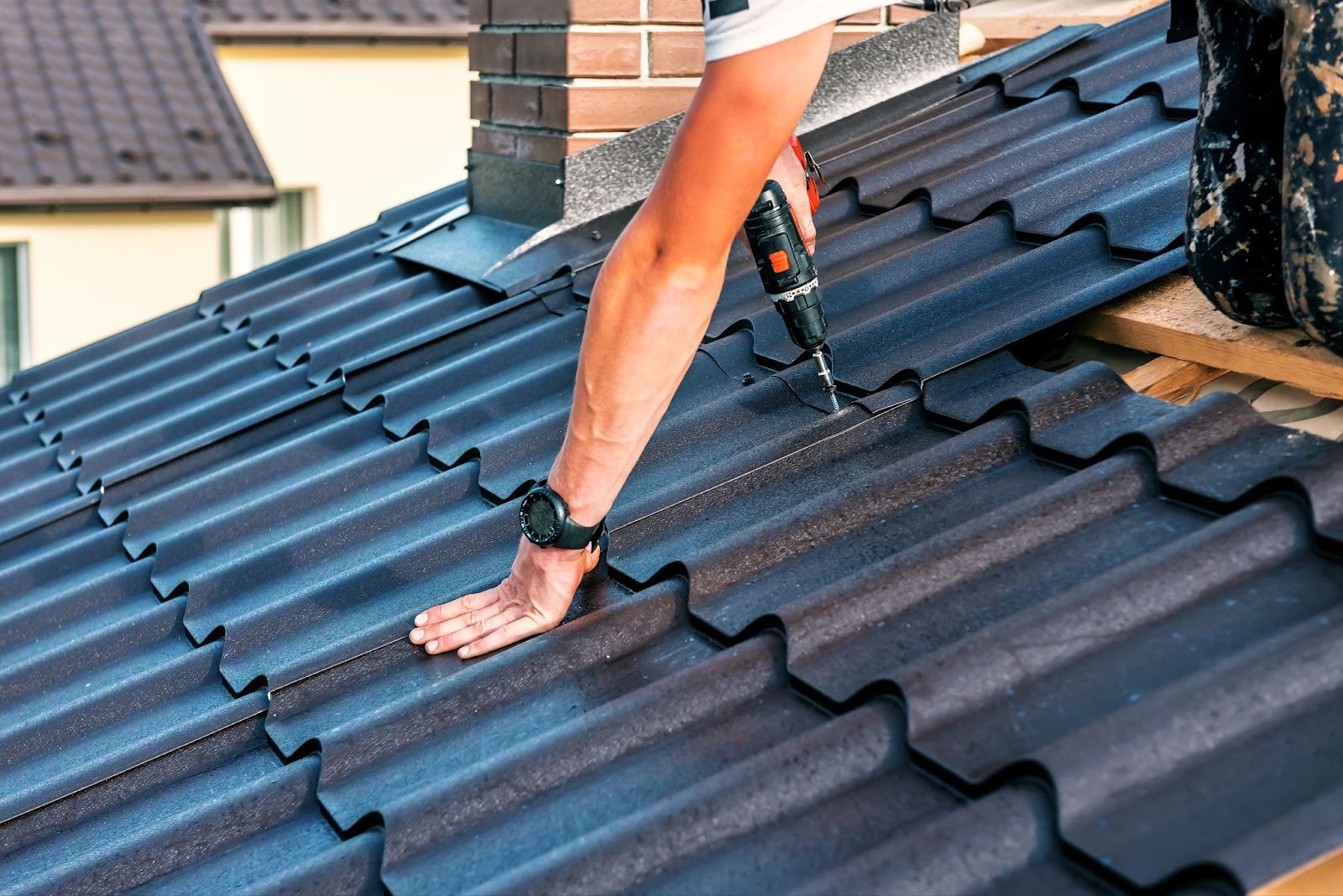
The installation of roofing materials demands meticulous precision. Homeowners might choose from a variety of materials, such as asphalt shingles, metal roofing, tiles, or eco-friendly options like solar tiles. Each material comes with a specific installation process that ensures proper securement and longevity of the roof.
Homeowners can expect some noise and movement during this stage, as materials are fixed into place. Weather conditions play a pivotal role in the scheduling of installation, as rain or strong winds can affect progress. Most roofing professionals plan work around favourable forecasts to prevent delays and ensure quality outcomes.
Final Inspection and Clean-Up
A final inspection wraps up the installation process, ensuring that the new roof complies with building codes and meets quality standards. This inspection involves checking for leaks, verifying the correct placement of ventilation systems, and ensuring overall structural integrity. Any identified issues are promptly addressed before concluding the project.
The clean-up process is thorough, with professionals ensuring the site is left immaculate. This includes removing debris and ensuring no nails or sharp objects are left behind, protecting the homeowner from potential injury.
The final walkthrough with the homeowner addresses any questions or concerns, providing clarity on the outcome of the project. Warranty information and maintenance tips are discussed, ensuring homeowners understand how to maintain their new investment effectively.
Conclusion
In summarising the key steps of a roof installation, we recognise the importance of each phase from consultation to clean-up. A professional installation guarantees enhanced safety, durability, and an increase in property value. Homeowners are encouraged to engage actively in the process by asking questions and staying informed. If you’re pondering what to expect when replacing a roof, reaching out to experienced roofing professionals is the best first step, setting the stage for a successful and seamless upgrade to your home.