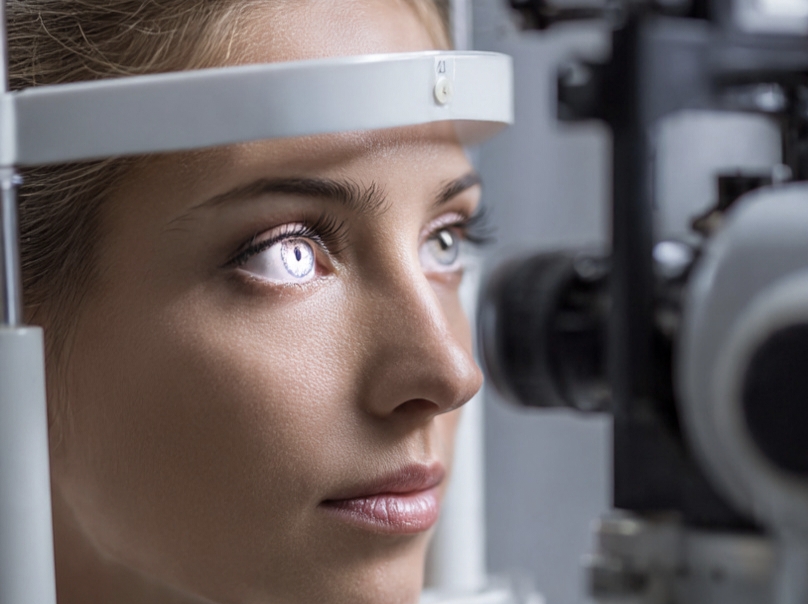
In the ever-evolving field of healthcare, the introduction of imaging & pain management tables has marked a significant advancement in patient care. These tables are designed to enhance both imaging procedures and pain management treatments, providing a comprehensive solution for medical facilities aiming to improve patient outcomes.
The Role of Imaging Tables in Healthcare
Imaging tables are critical components in numerous diagnostic and therapeutic procedures. They facilitate the efficient positioning of patients during imaging diagnostics such as X-rays, MRIs, and CT scans. The design of these tables ensures that patients can be comfortably and accurately positioned to produce the clearest images possible, which is essential for accurate diagnosis and treatment planning.
Modern imaging tables incorporate advanced materials and electronics, allowing for seamless integration with imaging technology. This integration not only improves the clarity of the images captured but also reduces the risk of artifacts and motion-related distortions. As a result, medical practitioners can make better clinical decisions, ultimately enhancing patient care and safety.
Pain Management Tables and Their Importance
Pain management is a critical aspect of healthcare, particularly in settings where chronic pain conditions are prevalent. Pain management tables are designed to provide optimal support and comfort to patients undergoing various treatments. With adjustable features, these tables can be customised to meet the specific needs of each patient, aiding in the effective delivery of pain management therapies.
These tables often feature ergonomic designs that reduce stress on the body, contributing to faster recovery times and more successful therapeutic outcomes. By accommodating a range of patient sizes and treatment modalities, pain management tables are an integral part of contemporary healthcare settings.
Technological Advancements in Medical Tables
The medical device industry has seen numerous advancements in technology, leading to the development of more sophisticated imaging and pain management tables. These advancements include the incorporation of digital interfaces, automated adjustments, and integration with other imaging and treatment equipment. Such innovations contribute to improved precision and efficiency in medical procedures.
Additionally, the use of durable materials that resist wear and tear is crucial in maintaining the functionality and longevity of these tables. This ensures that healthcare providers can rely on their equipment to provide consistent and high-quality patient care.
Patient-Centric Design Features
A fundamental aspect of modern imaging and pain management tables is their patient-centric design. The focus is on enhancing patient comfort and accessibility, which can positively impact patient experiences and outcomes. Features such as non-slip surfaces, adjustable height, and contouring for bodily support make these tables ideally suited for a variety of medical procedures.
By prioritising the patient’s comfort during procedures, these tables help reduce patient anxiety and improve cooperation, leading to more efficient and effective medical care.
Customisation and Versatility
One of the standout features of contemporary imaging and pain management tables is their ability to be customised to suit different medical applications. Whether for paediatrics, obstetrics, or oncology, these tables can be tailored with specific features to support the unique requirements of various procedures.
This versatility is essential in multi-disciplinary healthcare settings where the same equipment must cater to a diverse patient population and a wide range of treatment protocols.
Impact on Workflow and Efficiency
Imaging and pain management tables also contribute significantly to improving workflow efficiency within medical facilities. By enabling quicker and more straightforward patient positioning, these tables reduce the time required for setup and adjustment, allowing healthcare providers to focus on delivering optimal care.
With enhanced operational efficiency, medical practices can potentially see more patients and improve the overall quality of care provided.
Ensuring Safety in Modern Medical Tables
Safety remains a paramount concern in the design of imaging and pain management tables. Features such as weight capacity indicators, safety rails, and braking systems ensure that patients are securely positioned during procedures. These safety measures are crucial in preventing accidents and ensuring the well-being of both patients and healthcare providers.
As technology continues to advance, the integration of smart features such as electronic locks and remote monitoring can further enhance the safety of medical tables.
The Future of Imaging and Pain Management Tables
As the healthcare industry continues to evolve, the future of imaging and pain management tables looks promising. Ongoing research and development efforts are likely to yield even more innovative solutions, focusing on enhancing patient care and operational efficiency. Future tables may incorporate artificial intelligence to automate adjustments and further personalise patient care.
The emphasis will be on creating technology that not only meets the current demands of healthcare providers but anticipates future needs, ensuring that these tables remain at the forefront of healthcare innovation.
Conclusion
In summary, the advancement of imaging & pain management tables has significantly revolutionised patient care. These tables offer the perfect blend of comfort, customisation, and technological integration, making them indispensable in modern healthcare. As medical science progresses, these tables will continue to play a pivotal role in enhancing patient outcomes and optimising healthcare delivery.