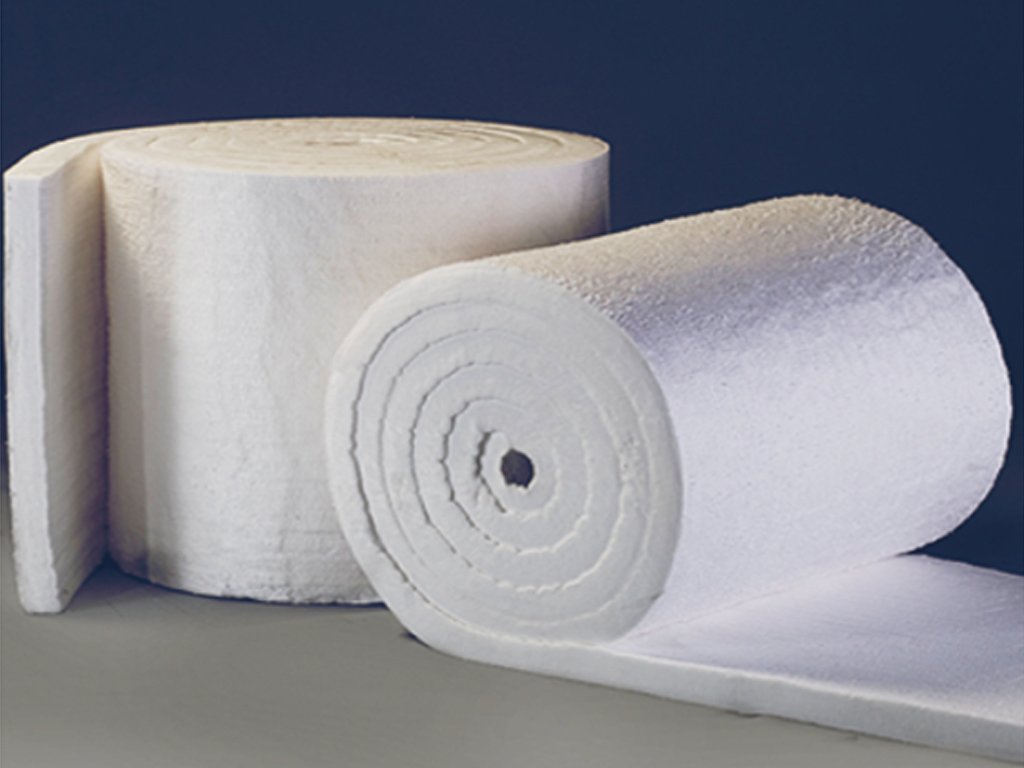
Ceramic fiber insulation is a material that assists in maintaining the functionality of technical components near high temperature sources. Electronic controls, sensors, wiring and power systems are prone to functional errors when environmental temperatures exceed the limits set by manufacturers. Insulation is a tool to create stable conditions – restricting the movement of thermal energy. Because ceramic fiber is a low density material that occupies minimal space, it is a functional choice for shielding sensitive hardware.
Thermal Protection
This insulation protects hardware – slowing the transfer of heat from furnace walls or engines toward nearby parts. Low thermal conductivity is a primary characteristic of ceramic fiber, which allows the material to function as a physical barrier. Industrial machinery and processing systems are environments where electronic parts must function close to intense heat.
Consistent operating conditions are more achievable when heat exposure is low. High temperatures are a cause of rapid material decay and changes in how electricity flows through circuits. Insulation is a method to decrease thermal stress and support reliable functions. While this material is not a substitute for active cooling systems, it is a secondary layer of safety.
Component Protection
Technical systems are composed of specific parts with unique temperature boundaries. Circuit boards and connectors are often at risk when they are near exhaust systems or industrial burners. Ceramic fiber insulation is a means to isolate these parts from intense heat, which reduces the chance that thermal energy will damage the hardware.
Maintenance requirements are often lower when components are safe from high heat. Repeated exposure to thermal energy is a reason why materials break down faster than they do in controlled rooms. Preserving a moderate temperature is a way to maintain the utility of these parts over time – this practice is useful when replacing a damaged controller is a task that requires many hours of labor or stops production.
Temperature Stability
Changes in temperature are a challenge for technology even if the heat does not reach a melting point. Frequent cycles of heating and cooling are a cause of expansion and contraction, which creates mechanical tension. Insulation is a way to slow the rate of temperature changes, which protects sensitive assemblies from rapid thermal shifts.
Predictable performance is a result of a stable thermal environment. Systems in factories often experience different heat levels during a workday. Selected insulation is a buffer that minimizes the fluctuations – this stability is a factor in achieving longer service intervals when users also follow standard maintenance protocols.
Material Performance
Ceramic fiber is a durable material for thermal management – Its low mass is beneficial when weight is a factor in the design of a machine. Manufacturers are able to shape this material to fit specific equipment layouts.
Different tasks require different materials – Fiberglass rope is a flexible option for sealing joints, whereas ceramic fiber is a specialized choice for high temperature barriers. Choosing a material is a process that depends on the operating temperature, the available space and the specific needs of the hardware.
Equipment Reliability
Reliability is a direct result of protecting vulnerable technology. A system may stop functioning if a single sensor fails because of heat. Insulation is a strategy to prevent these failures – creating a suitable environment.
Financial benefits are a consequence of longer component life. Fewer heat related breaks result in lower costs for replacement parts and fewer pauses in work. Organizations are able to view insulation as a part of a reliability plan. Regular inspections are necessary to confirm the material is in good condition.
Conclusion
Ceramic fiber insulation is a tool to help technology last longer – limiting heat transfer and moderating temperature changes. Its lightweight nature is appropriate for many industrial uses. When workers install the correct insulation for the environment, the equipment is likely to remain functional for a longer duration.