
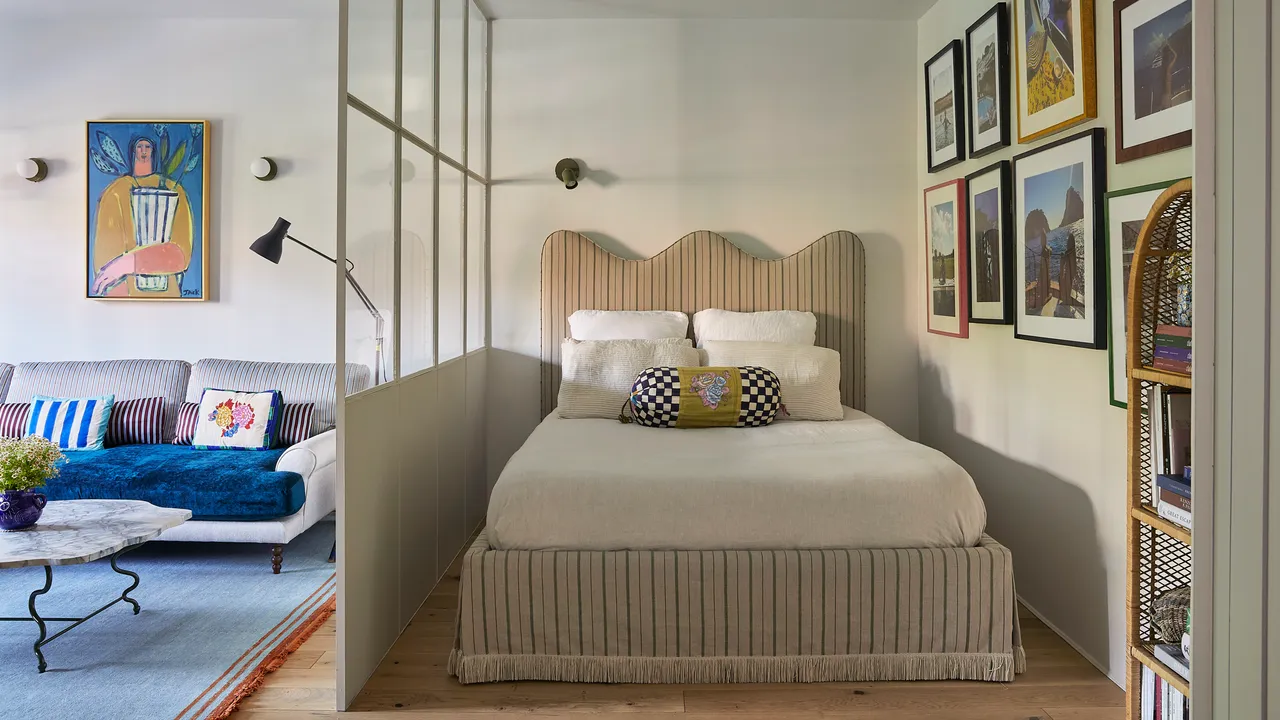
Modern homes often require rooms to do more than one job. A spare bedroom may need to function as a home office, a living area may double as an entertainment space, and a dining area may become a place for studying or creative projects. With thoughtful planning, flexible furniture, and efficient organization, any room can adapt to different needs while remaining comfortable, stylish, and functional.
Plan Each Room Around Your Lifestyle
The foundation of a successful multipurpose room begins with understanding how you use your space. Before selecting furniture or decorating, consider the activities that need to happen in the room and how often each function will be used.
Start by identifying your priorities. A room used daily for remote work may require a dedicated desk area, while a guest room used occasionally may benefit from flexible furniture that can quickly transform the space. Understanding these needs helps create a layout that supports real-life activities rather than simply filling the room with furniture.
Creating zones within a room can also improve functionality. Even without walls or permanent dividers, different areas can be visually separated through furniture placement, rugs, lighting, or storage solutions. This allows one space to support multiple purposes without feeling crowded.
Consider How Spaces Change Throughout the Day
Many multipurpose rooms need to transition between activities. A workspace may become a relaxation area after work hours, or a guest room may need to quickly transform into a hobby space.
Designing with these transitions in mind ensures that each function remains convenient and accessible.
Choose Furniture That Adapts
Furniture selection plays an important role in creating rooms that serve multiple purposes. The best pieces provide flexibility, storage, or multiple uses while maintaining comfort and style.
Multifunctional furniture allows you to maximize available space without overcrowding the room. A desk that can be folded away, a dining table that expands when needed, or seating with built-in storage can make a significant difference in smaller homes.
For sleeping areas that need to accommodate additional activities, wall beds provide a practical solution by allowing a bed to be stored vertically when not in use. This creates valuable floor space for work, exercise, hobbies, or entertaining during the day.
Focus on Quality and Versatility
When choosing furniture for a multipurpose room, consider how well each item will perform over time. Pieces that adapt to changing needs provide better value than furniture designed for only one specific function.
Investing in versatile options also reduces the need to purchase additional items as your lifestyle evolves.
Create Clear Functional Zones
A multipurpose room works best when each activity has a defined area. Without clear organization, different functions can blend and create unnecessary clutter.
Use furniture placement to establish separate zones. A desk positioned near a window can create a productive workspace, while a comfortable chair and small table can define a reading or relaxation corner. Storage units can also serve as subtle dividers between different areas.
Use Visual Separation Techniques
You do not need permanent walls to separate different functions within a room. Area rugs, lighting choices, shelving units, and decorative elements can create visual boundaries while maintaining an open feel.
These techniques help each section of the room feel intentional and organized.
Maximize Storage to Support Multiple Uses
Storage is essential in rooms that serve several purposes. Without proper organization, combining different activities in one space can quickly lead to clutter.
Choose storage solutions that keep items accessible while maintaining a clean appearance. Cabinets, shelves, baskets, and hidden compartments help store work supplies, hobby materials, guest items, or entertainment equipment without taking over the room.
Vertical storage is especially valuable in multipurpose spaces. Tall shelving units and wall-mounted organizers use unused areas while keeping floors clear for movement and flexible activities.
Keep Frequently Used Items Accessible
The most convenient storage systems place everyday essentials within easy reach while keeping occasional-use items stored away. For example, office supplies should be near a workspace, while seasonal decorations can be stored in less accessible areas.
Organizing belongings according to frequency of use makes transitions between activities faster and easier.
Design With Comfort and Appearance in Mind
A multipurpose room should not only be functional but also comfortable and visually appealing. When a space serves several roles, maintaining balance becomes important to prevent it from feeling like a collection of unrelated areas.
Choose a cohesive design style that connects different zones. Similar colors, materials, and decorative elements help create a unified appearance even when the room has multiple functions.
Lighting also has a major impact on comfort. Different activities require different levels of illumination, so combine general lighting with task lighting for work areas and softer lighting for relaxation zones.
Avoid Overcrowding the Space
It can be tempting to include furniture for every possible activity, but too many items can make a room feel smaller and less comfortable. Prioritize the functions that matter most and choose flexible solutions that support multiple needs.
Leaving open space improves movement and allows the room to adapt more easily throughout the day.
Maintain Flexibility as Your Needs Change
The best multipurpose rooms are designed to evolve. As work routines, hobbies, and household needs change, your space should be able to adjust without requiring major renovations.
Review your room setup periodically and consider whether the current arrangement still supports your lifestyle. Small changes, such as moving furniture, updating storage systems, or changing how zones are arranged, can significantly improve functionality.
Build Simple Organization Habits
Maintaining a multipurpose room requires regular organization. Returning items to their proper locations after use prevents different activities from interfering with one another.
Create simple systems that everyone using the room can follow. Clearly labeled storage, dedicated spaces for specific items, and regular decluttering sessions help preserve both comfort and efficiency.
A well-maintained multipurpose room remains easier to use and more enjoyable over time.
Conclusion
Designing rooms that serve multiple purposes requires careful planning, flexible furniture choices, efficient storage, and thoughtful organization. By understanding how you use your space and creating adaptable layouts, you can transform a single room into an area that supports work, relaxation, hobbies, and everyday activities. With the right approach, multipurpose rooms can provide exceptional comfort and functionality while making the most of every square foot.