Property maintenance becomes much easier when you have the right tools available when you need them. Whether you own a family home, manage rental properties, or maintain a larger piece of land, a reliable tool collection can save both time and money. Instead of calling a professional for every minor repair or outdoor task, you can handle many jobs yourself with the proper equipment.
The challenge is knowing where to start. Many property owners end up buying tools they rarely use while overlooking equipment that would make a real difference. Building a practical collection is not about owning the most tools. It is about choosing the right tools for the work you do regularly.
Focus on Quality From the Beginning
One of the smartest decisions you can make is to prioritize quality over quantity. Cheap tools may seem like a good deal at first, but they often wear out faster, perform poorly, and require replacement sooner than expected.
When purchasing equipment, it helps to research established manufacturers and compare their product offerings. Many homeowners and professionals explore suppliers such as NEWTOP when looking at outdoor power equipment, generators, pumps, chainsaws, and other tools designed for regular use.
Buying dependable equipment from the start may require a slightly larger investment, but it often reduces long-term costs and frustration. A durable tool that lasts for years provides much better value than repeatedly replacing low-quality alternatives.
Understand Your Property’s Needs
Every property is different. A small suburban home has very different maintenance requirements compared to a large property with extensive landscaping, trees, or outdoor structures.
Before purchasing new equipment, take some time to think about the tasks you perform throughout the year. You may spend most of your time mowing lawns, trimming hedges, repairing fences, cleaning driveways, or handling small home improvement projects. Understanding these recurring jobs will help you identify the tools that deserve priority.
This simple planning step can prevent unnecessary purchases and ensure your collection grows in a practical way.
Start With the Basics
Every reliable tool collection begins with a strong foundation of hand tools. These are the items you will reach for most often when dealing with everyday repairs and maintenance tasks.
A good starter collection should include a hammer, screwdrivers, pliers, adjustable wrenches, a tape measure, utility knife, and a socket set. While these tools may seem basic, they are often enough to handle a surprising number of household repairs.
It is worth spending a little extra on hand tools that feel comfortable and sturdy. Since they are used frequently, quality construction can make a noticeable difference in both performance and durability.
Add Power Tools as Your Needs Grow
Once the essentials are covered, power tools can help you complete projects more efficiently. They reduce physical effort and make larger tasks easier to manage.
A cordless drill is often the first power tool many property owners purchase, and for good reason. It can assist with repairs, furniture assembly, installations, and numerous DIY projects. As your needs expand, you may find value in adding tools such as an impact driver, circular saw, reciprocating saw, or sander.
Modern cordless systems have made power tools more convenient than ever. Many manufacturers offer multiple tools that operate on the same battery platform, which simplifies storage and charging while reducing overall costs.
Invest in Outdoor Maintenance Equipment
Outdoor maintenance typically requires more specialized equipment. The size of your property will largely determine what tools make sense for your collection.
For many homeowners, a lawn mower, string trimmer, and leaf blower provide the foundation for basic yard maintenance. Larger properties may benefit from hedge trimmers, chainsaws, water pumps, pressure washers, or portable generators.
The goal is not to buy every piece of equipment available. Instead, focus on tools that address recurring maintenance tasks and improve efficiency. Equipment that saves several hours of work each month often proves to be a worthwhile investment.
Make Safety Part of Your Collection
A reliable tool collection should always include proper safety equipment. Many injuries occur not because of faulty tools, but because safety precautions are ignored.
Protective eyewear, durable work gloves, hearing protection, and appropriate footwear should be readily available whenever maintenance work is being performed. Even simple tasks such as trimming branches or using a drill can create unexpected hazards.
Thinking about safety before starting a project can help prevent accidents and ensure that maintenance work remains productive rather than costly.
Keep Everything Organized
Having the right tools is only part of the equation. Being able to find them quickly is equally important.
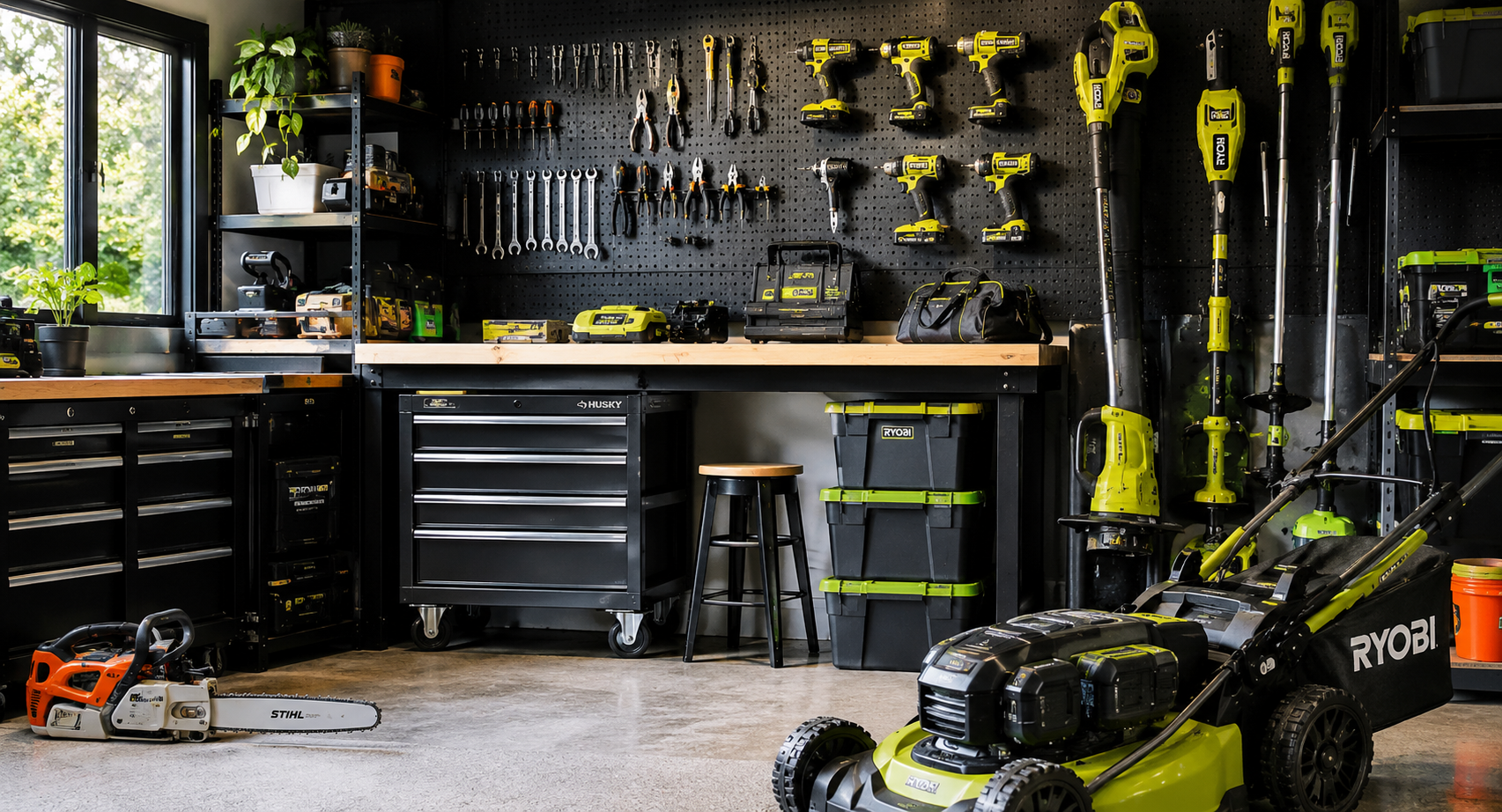
A well-organized storage system can save significant time and reduce frustration. Toolboxes, cabinets, shelving units, and wall-mounted storage systems all help keep equipment accessible and protected.
Organization also makes it easier to monitor the condition of your tools. Missing items, damaged equipment, and maintenance needs become easier to identify when everything has a designated place.
Maintain the Tools You Own
Tools perform best when they are properly maintained. Unfortunately, many people invest in quality equipment only to neglect routine care.
Cleaning tools after use, sharpening cutting equipment, lubricating moving parts, and checking for wear can significantly extend their lifespan. Power equipment should also be inspected regularly to ensure safe operation.
A small amount of maintenance can prevent costly repairs and help your equipment remain dependable for years.
Expand Your Collection With Purpose
As property needs change, your tool collection will naturally grow. The key is to add equipment strategically rather than making impulse purchases.
Before buying a new tool, consider how often you will use it and whether it solves a recurring problem. If a tool will only be needed once every few years, renting may be a more practical solution.
Over time, thoughtful purchases create a collection that delivers genuine value while avoiding clutter and unnecessary expenses.
Creating a Maintenance Setup You Can Rely On
Building a reliable tool collection is a long-term investment in your property. The right equipment allows you to respond quickly to repairs, handle routine maintenance efficiently, and reduce dependence on outside contractors for minor tasks.
Rather than chasing every new product on the market, focus on quality tools that match your property’s specific needs. With careful planning, regular maintenance, and gradual expansion, you can build a collection that serves you well for many years.
A dependable set of tools does more than make maintenance easier. It gives you the confidence to tackle projects as they arise and helps keep your property in excellent condition throughout the year.