Understanding The Key Factors Before Investing In A Pilates Reformer
A pilates reformer has become a preferred training solution for individuals seeking a structured approach to strength, mobility, and body control. While traditional fitness equipment often focuses on isolated movement patterns, a pilates reformer encourages coordinated, full-body engagement through controlled resistance and precise movement execution. The growing popularity of home fitness has led many people to explore reformer-based training as a long-term investment. However, not all reformers are identical. Understanding how a pilates reformer functions, what separates one model from another, and which features contribute most to performance can help buyers make a more informed decision.
What Is A Pilates Reformer?
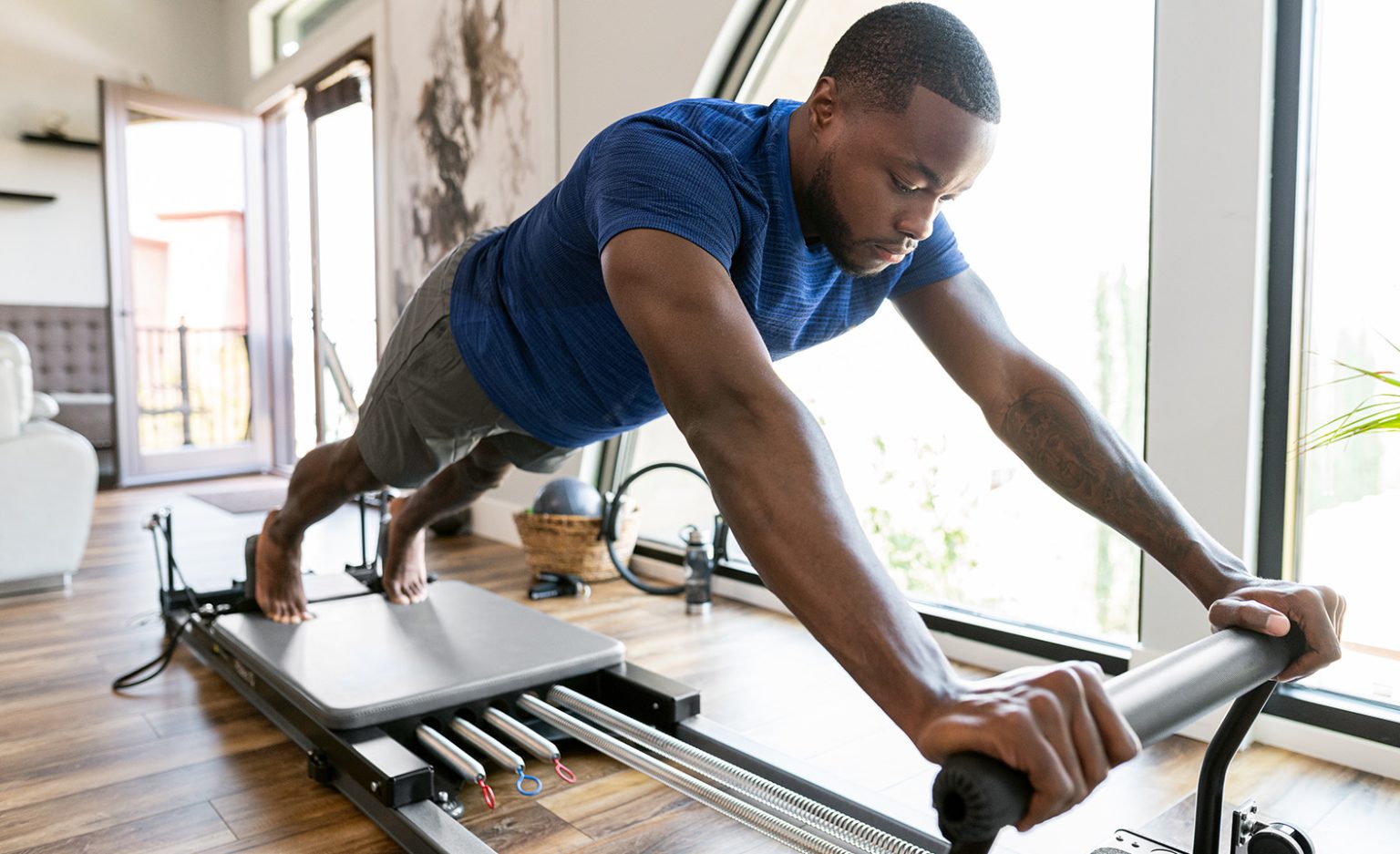
A pilates reformer is a specialised exercise machine designed to create resistance using a spring-loaded carriage system. Users perform exercises by moving the carriage against spring tension while maintaining alignment and control. A standard pilates reformer generally consists of:
- A movable carriage platform
- Guide rails that direct carriage movement
- Adjustable resistance springs
- A footbar for pushing and support
- Pulley and strap systems
- Shoulder rests and positioning supports
- Adjustable headrest components
Many reformers can also accommodate additional accessories that increase exercise variety and training versatility. Unlike conventional gym equipment that often relies on weight stacks, a pilates reformer generates resistance through calibrated springs. As force is applied to the carriage, the springs provide consistent resistance across the entire range of motion. This helps promote smooth and controlled movement patterns. A pilates reformer allows resistance to be increased or decreased by adjusting spring combinations, making it suitable for users at different fitness levels. The moving carriage introduces an element of instability that requires ongoing muscular engagement to maintain control and balance.
Many individuals choose a pilates reformer because it supports multiple fitness objectives simultaneously. Exercises performed on a pilates reformer typically involve several muscle groups working together, encouraging balanced strength improvements. The need to control the carriage throughout each movement means the core remains active during much of the training session. A pilates reformer allows muscles to move through controlled ranges of motion while under resistance, supporting mobility development. Because the equipment supports much of the body’s weight, a pilates reformer can reduce impact forces compared to many traditional training methods. Consistent use often contributes to better body awareness, balance, and movement efficiency.
Types Of Pilates Reformers Available
The pilates reformer market offers several categories designed to suit different environments and training requirements. Studio reformer models are built for high-volume usage and are commonly found in professional Pilates studios. They often feature premium materials and extensive adjustment options. Residential reformers aim to provide a studio-style experience while remaining practical for personal use. A folding pilates reformer is designed for users who require storage flexibility. These models can often be stored more easily when not in use.
Important Buying Considerations
Selecting the right pilates reformer involves evaluating several important factors beyond price alone. The frame influences stability, durability, and overall performance. Strong construction generally contributes to a smoother training experience. The quality and range of spring resistance play a major role in determining how versatile a pilates reformer will be over time. A well-designed carriage should move smoothly and quietly while maintaining alignment throughout exercises. A pilates reformer with multiple adjustment points can accommodate users of varying heights and training preferences. Some buyers prefer a pilates reformer that supports optional accessories, allowing the machine to adapt as training goals evolve.
Pilates Reformer Training Versus Traditional Exercise Equipment
Many gym machines focus on targeting individual muscle groups. A pilates reformer approaches exercise differently by emphasising integrated movement patterns. Rather than concentrating exclusively on strength production, reformer exercises combine strength, balance, flexibility, and coordination within the same movement. This makes a pilates reformer an attractive option for individuals seeking a more comprehensive training experience.
Creating A Home Environment For A Pilates Reformer
Before purchasing a pilates reformer, it is important to assess available space. The machine should be positioned on a level surface with enough surrounding clearance to perform exercises safely. Users considering a folding model should also account for storage dimensions. Creating a comfortable training area with adequate lighting and ventilation can further enhance the overall experience. Routine maintenance helps maximise both safety and equipment lifespan. Recommended maintenance practices include:
- Checking springs for signs of wear
- Inspecting moving components regularly
- Cleaning rails and carriage surfaces
- Tightening hardware when necessary
- Following manufacturer servicing recommendations
A well-maintained pilates reformer can continue delivering reliable performance for many years.
Choosing A Trusted Supplier
The quality of after-sales support can be just as important as the equipment itself. Purchasing through a reputable supplier helps ensure access to warranty support, replacement parts, and accurate product guidance. For those seeking dependable equipment solutions, a quality pilates reformer can provide a versatile foundation for ongoing fitness development and home-based training. When selected carefully, a pilates reformer becomes more than a piece of equipment. It becomes a long-term training platform capable of supporting strength, flexibility, mobility, and movement quality across a broad range of fitness goals.
Frequently Asked Questions
What is the purpose of a pilates reformer?
A pilates reformer is designed to provide controlled resistance training that supports strength, mobility, balance, and coordination.
Can beginners use a pilates reformer?
Yes, a pilates reformer allows resistance adjustments that make it suitable for beginners and experienced users alike.
How much space does a pilates reformer need?
Most pilates reformer models require enough room for the machine plus clearance around the frame for safe operation.
Are pilates reformers suitable for home use?
Yes, many pilates reformer models are specifically designed for residential environments.
What muscles does a pilates reformer work?
A pilates reformer can engage the core, legs, arms, back, hips, and stabilising muscles throughout the body.
Do pilates reformers help improve flexibility?
Yes, a pilates reformer allows controlled stretching under resistance, which may contribute to flexibility improvements.
What is the difference between a studio and home reformer?
Studio reformers are generally built for heavier use, while home reformers prioritise practicality and residential suitability.
Can a pilates reformer be stored away?
Some pilates reformer models feature folding designs that allow easier storage.
How often should a pilates reformer be used?
Most users train on a pilates reformer two to four times per week depending on their objectives.
How long will a pilates reformer last?
A quality pilates reformer can remain functional for many years when properly maintained and serviced.