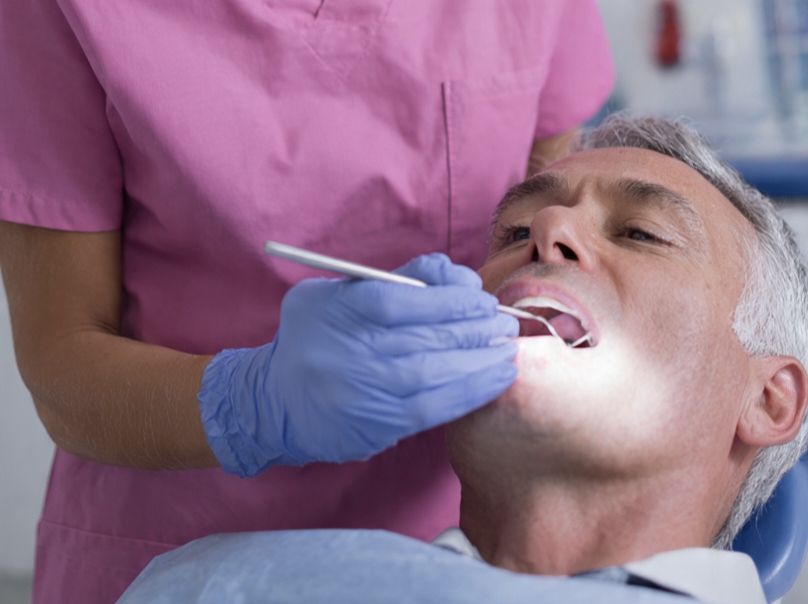
Emergency dental care involves immediate clinical treatment for severe tooth trauma, uncontrolled bleeding, or acute pain. Patients should contact a dental professional immediately, as seeking prompt clinical evaluation helps prevent further complications. When patients understand the criteria for emergency dental care, they can make informed decisions about their treatment. Here is more information on the steps to take during a dental emergency:
What Is Emergency Dental Care?
Emergency dental care involves immediate medical procedures designed to address severe oral trauma or acute pain. Dentists prioritize these cases to stabilize the patient, and they use specialized diagnostic tools to assess the damage. Time is key to the success of some treatments, so a rapid clinical response is a primary focus.
What Is a Dental Emergency?
A dental emergency is any oral condition that requires immediate treatment to stop bleeding, relieve severe pain, or save a tooth. Medical professionals classify routine toothaches as non-emergencies, but severe infections are urgent. If a patient has facial swelling and a fever, they meet the criteria for emergency intervention. This clinical distinction may guide scheduling protocols in dental offices.
What Are the Different Types?
Clinical professionals categorize urgent dental situations into several distinct types based on the underlying trauma. Avulsed or knocked-out teeth are a common emergency, and this requires reimplantation within a narrow time window. While chipped teeth may seem minor, deep fractures exposing the pulp necessitate immediate root canal therapy. Other classifications include severe abscesses and dislodged dental restorations.
What Steps Should You Take?
Patients experiencing an acute oral crisis must act quickly to preserve the affected dental structures. Contact an emergency dental clinic, as dental professionals can help. Clinic staff may provide specific instructions over the phone, enabling patients to manage the situation safely during their transit.
Proper handling of an avulsed tooth may increase the chances of successful reimplantation. Pick up the displaced tooth by the crown; never touch the sensitive root structures. If patients rinse the tooth gently with saline, they can safely place it back into the socket.
Managing localized swelling requires applying a cold compress to the outside of the face. Patients can use an ice pack wrapped in a cloth. Since this action restricts blood flow to the area, it effectively reduces both swelling and acute pain. Consulting a dentist helps patients understand which steps to take, and this can improve the overall prognosis.
How Can a Professional Help?
A dental professional conducts a thorough clinical examination, and they may use digital radiography to diagnose underlying structural damage. They can administer local anesthesia, which alleviates acute pain. Once the area is numb, the dentist performs the necessary surgical or restorative procedure to stabilize the tooth. The practitioner will then prescribe appropriate antibiotics to resolve any localized infections.
Clinicians also provide aftercare instructions to promote proper tissue healing at home. Following these guidelines helps minimize complications, and patients may experience a predictable recovery timeline. Since follow-up appointments allow the dentist to monitor progress, schedule a secondary visit before leaving the office. This comprehensive approach maximizes the success rate of the emergency intervention.
Visit a Dentist Now
Prompt clinical evaluation is a definitive way to resolve severe dental trauma or infections. Contact a qualified dental provider immediately and follow their triage instructions over the phone. Untreated oral conditions may progress to systemic health issues, so delaying professional care poses medical risks. Schedule an emergency appointment immediately and learn how to address your acute dental symptoms.