Botox is a brand form of botulinum toxin type A used in both medical and cosmetic treatment. It blocks chemical signals between nerves and muscles, and that action limits movement in the injected area. Because small facial muscles create expression lines over time, clinicians use Botox to reduce repeated muscle contraction. Aesthetic treatments like this can treat muscles to reduce lines over time.
Relaxing Facial Muscles
When Botox is injected into a selected muscle, it interferes with the release of a hormone that interacts with the nerves. Nerve signals weaken in the area because of the treatment. When the targeted muscle receives less stimulation, it contracts less often and with less force. Nearby muscles can still function, and the effect is limited to the injection pattern.
The change does not happen at once, but it develops over several days as nerve signaling drops. Muscle activity declines in the injected areas. Although the effect is temporary, many patients return for repeat treatment after the nerve endings regain function. Duration varies by dose, muscle size, and individual metabolism, so physicians can offer individual patients a timeline for repeat appointments.
Cosmetic clinicians work with the patient to map areas for targeted treatment injections. These professionals are precise in their injection patterns to avoid injecting larger muscles, and they target specific wrinkle lines. Because each muscle pulls the skin in a different direction, placing injections is decided before beginning the treatment.
Removing Frown Lines
Deeper lines often form between the eyebrows when individuals frown and muscles contract repeatedly. These lines deepen over time, and some individuals dislike the way these lines look. Because muscles used for frowning pull the skin inward and down, they often add to an expression that looks concentrated or annoyed. Botox reduces the movement of these muscles, and the skin appears smoother as the medication begins to work.
A clinician evaluates brow position before treatment, and that step helps guide injection depth and dose. Small placement changes matter for long-term results. If the injector weakens one muscle more than another, the brow can shift in a way that changes the expression to be uneven. Treatment is typically adjusted to match muscle strength, line pattern, and facial symmetry.
Reducing Wrinkles
Wrinkles appear during movement, and they differ from lines that remain visible at rest. Botox works best on motion-based creases. Because forehead lines, crow’s feet, and frown lines result from repeated muscle activity, they often respond more than static folds caused by skin thinning or sun exposure. In many cases, Botox is combined with skin care or other office procedures for a broader treatment plan.
Forehead treatment requires balance because the muscle lifts the brows while also creating horizontal lines. Overcorrection can alter brow height. When clinicians place injections across the upper face, they account for opposing muscle groups.
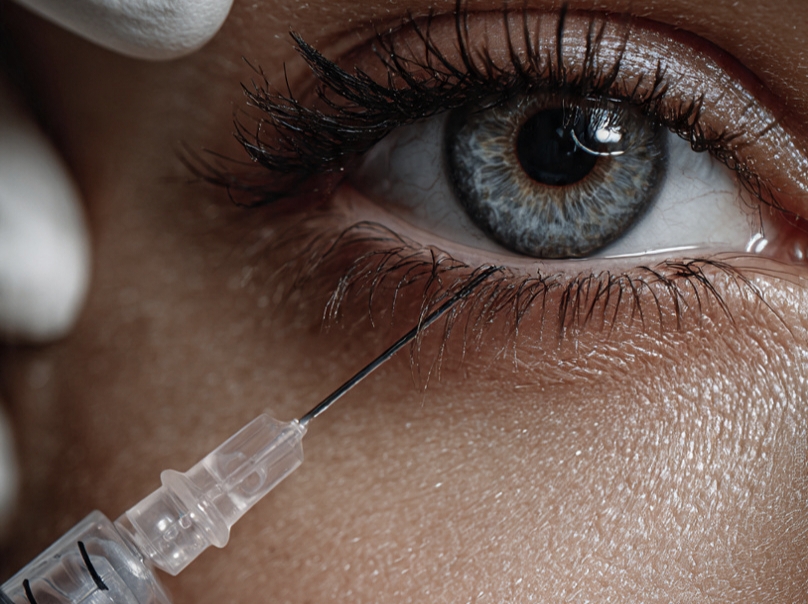
Crow’s feet form at the outer corners of the eyes, and they become more visible during smiling or squinting. The muscles near the eyes drive this pattern. Because the skin in that area is thin, dose and placement are often conservative to limit unwanted changes in expression.
Schedule a Botox Appointment
Because individual circumstances can change how Botox is administered, consult with an aesthetician to determine how treatment can alter creases and lines. A medical professional understands facial anatomy, and they individualize treatment to match line depth and placement. Contact an aesthetics clinic to begin Botox treatment.