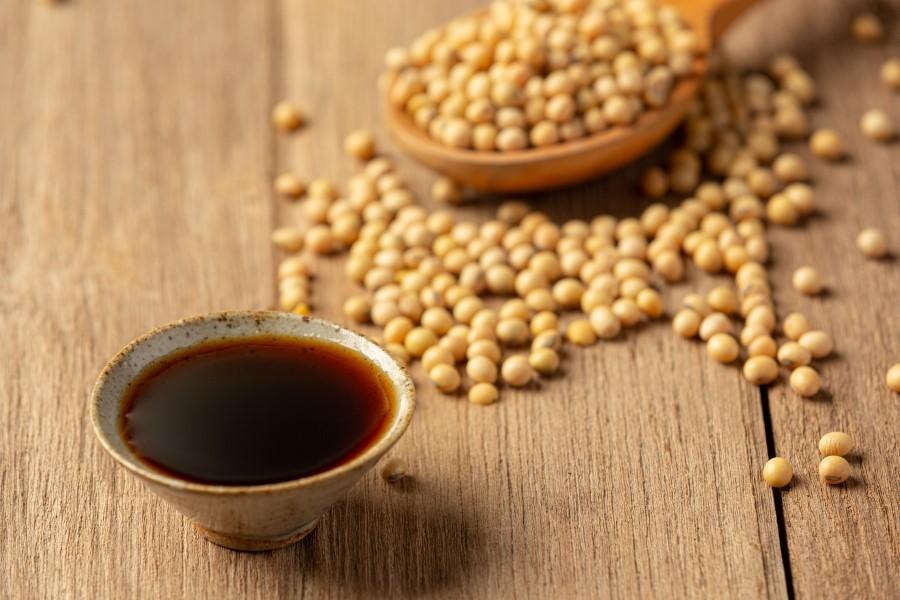
Today, soy sauce functions as an essential flavor enhancer, marinade base, and dipping sauce across Asian cuisines and increasingly in Western and fusion cooking alike. As the global soy sauce market continues to expand, it is defined by a shift toward clean-label ingredients, health-conscious formulations, and supply chain resilience.
For business buyers, the challenge lies in identifying the best soy sauce brands that offer not only authentic flavor but also the scalability required for international distribution. This guide evaluates the top players helping businesses meet these evolving consumer demands.
Top Soy Sauce Brands and Manufacturers in 2026
Selecting a supplier in 2026 requires looking beyond the bottle. You should prioritize manufacturers that integrate traditional brewing with modern industrial efficiency. Below are the leading brands currently leading the global landscape.
1. JOLION Foods (China)
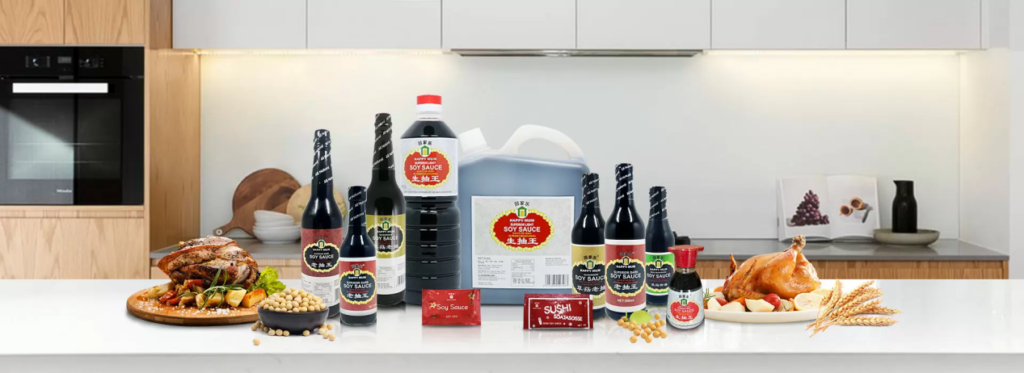
JOLION Foods, headquartered in Zhongshan City, Guangdong Province, is one of China’s most export-ready soy sauce manufacturers, with over 20 years of experience in the oriental sauce industry. The company operates a factory covering 20,000 square meters, equipped with 6 fully automated production lines and an annual output of 15,000 tons.
JOLION Foods’s soy sauce range is brewed from non-GMO soybeans and naturally fermented for more than 180 days under sunlight, resulting in products that are rich in essential amino acids and free from artificial shortcuts. The product lineup covers light soy sauce, dark soy sauce, low-salt soy sauce, gluten-free soy sauce, mushroom soy sauce, steamed fish soy sauce, and Japanese-style seasoning — suitable for retail, food service, and industrial applications in a wide range of pack sizes.
Furthermore, for commercial buyers, JOLION Foods stands out for its comprehensive sauce OEM/ODM service, with a minimum order quantity of just 300 cartons and a lead time as short as 15 days. The company holds comprehensive certifications, including BRC, HACCP, FDA, HALAL, KOSHER, SGS, and ISO certifications, meeting import requirements across North America, Europe, the Middle East, and beyond.
Its flexible private-label capability makes it an ideal sourcing partner for supermarket chains, regional distributors, and international importers looking to build or scale their own brands.
2. Kikkoman (Japan)
With roots in 17th-century Noda, Chiba Prefecture, Kikkoman has grown into one of the world’s most recognized soy sauce brands. Its heritage and traditional honjozo brewing method set it apart in a competitive market.
Today, Kikkoman operates globally, with production facilities in multiple regions worldwide and products sold in over 100 countries. In particular, Kikkoman ranks among the leading soy sauce brands in the North American household market. For soy sauce buyers, its low-sodium, gluten-free, and vegan-certified options make it especially appealing for health-conscious consumers and private-label applications.
3. Lee Kum Kee (China)
A household name since 1888, Lee Kum Kee continues to dominate the global export market by leaning into dietary trends. In 2026, their “Healthy Series”—which includes gluten-free, zero-additive, and reduced-salt soy sauces—has become a preferred choice for food manufacturers looking to clean up their ingredient labels. Their vast distribution network in over 100 countries makes them a reliable option for international importers.
4. Yamasa (Japan)
Yamasa is often the preferred brand for professional chefs and high-end Japanese restaurants. Known for their “Drop of Freshness” technology—a specialized film-barrier packaging that prevents oxidation—they ensure that the soy sauce maintains its vibrant red-to-brown color and delicate aroma long after opening. For business buyers in the premium hospitality sector, Yamasa offers a balance of heritage and technical packaging innovation.
5. Yamaroku (Japan)
For boutique distributors and gourmet retailers targeting the “authenticity” trend of 2026, Yamaroku is the gold standard. They are famous for using 100-year-old kiokes (wooden barrels) for natural fermentation. Their flagship “Tsurubishio” is double-brewed for four years, resulting in a complex flavor profile that chemical processes cannot replicate. While their scale is smaller, they represent the growing “artisanal” segment of the market.
6. Pearl River Bridge (China)
Established in 1958, Pearl River Bridge is another internationally recognized soy sauce export brand from China, with products sold across more than 100 countries, including major retail chains such as Tesco, Walmart, Carrefour, Metro, and Coles.
A standout innovation for buyers is Pearl River Bridge’s concentrated solid soy sauce — developed over a decade of R&D — which significantly reduces transportation volume and cost without compromising flavor performance. This product is particularly attractive for food manufacturers, industrial kitchens, and international importers managing freight economics at scale.
How to Choose the Best Soy Sauce Brand: Key Factors
When sourcing at scale, the decision-making process must be data-driven. Here are the five critical factors for businesses to identify the best soy sauce brand for them:
1. Flavor Profile and Quality Consistency
Different culinary applications demand different soy sauce types: light soy sauce for seasoning, stir-frying, and dipping; and dark soy sauce for braising, marinades, and coloring.
For food service operators and manufacturers, batch-to-batch flavor consistency — particularly in umami intensity — is critical to maintaining the standard of the final product. Buyers should assess sample batches and request quality consistency documentation before committing to a supplier.
2. Production Method
Commercial buyers must distinguish between “naturally brewed” and “chemically hydrolyzed” sauces. Naturally brewed soy sauce requires months of fermentation, producing complex amino acids and a layered umami flavor.
Chemically hydrolyzed soy sauce, by contrast, is produced in days through acid hydrolysis. It is cheaper and quicker to produce, but often lacks depth of flavor and may contain harmful by-products such as 3-MCPD.
Business buyers sourcing for premium foodservice or health-oriented retail should specifically confirm that their supplier uses natural brewing methods.
3. Supply Capacity and Export Readiness
High-volume commercial buyers need assurance that their supplier can fulfill large, time-sensitive orders reliably. Evaluate annual output, production line capacity, on-time delivery performance, and the supplier’s experience with customs documentation and global logistics.
Reliable OEM partners such as JOLION Foods maintain structured export workflows with clear MOQ, lead times, and the ability to handle multi-destination shipments.
4. Certifications and Compliance
In regulated markets, certifications are not optional — they are the entry ticket. Core food safety standards include BRC, HACCP, ISO 22000, and FDA registration. For specific consumer segments, HALAL, KOSHER, organic, and non-GMO certifications expand marketability significantly.
Verify that certifications are current and applicable to the specific product SKU being sourced, not just the facility in general.
5. Pricing and Packaging Flexibility
Wholesale economics should be evaluated alongside total landed cost, not just FOB price. Buyers should look for manufacturers who offer multiple pack sizes — from 150ml retail bottles to 20L food service drums and IBC totes for industrial use — and who support private-label development, formula customization, and custom branding. These capabilities allow buyers to differentiate their offering in competitive markets.
Conclusion
The best soy sauce brands in 2026 understand both the art of fermentation and the science of the global supply chain. While heritage brands like Kikkoman and Yamaroku offer prestige and tradition, manufacturers like JOLION Foods provide the industrial scale, certification rigor, and OEM flexibility that modern food businesses need to thrive.
Overall, for most commercial buyers, the right partner combines natural fermentation credibility, international certifications, product line breadth, and the logistical infrastructure to deliver at scale. Choose the right soy sauce manufacturer based on the five key factors above, and take the first step toward building your business success!