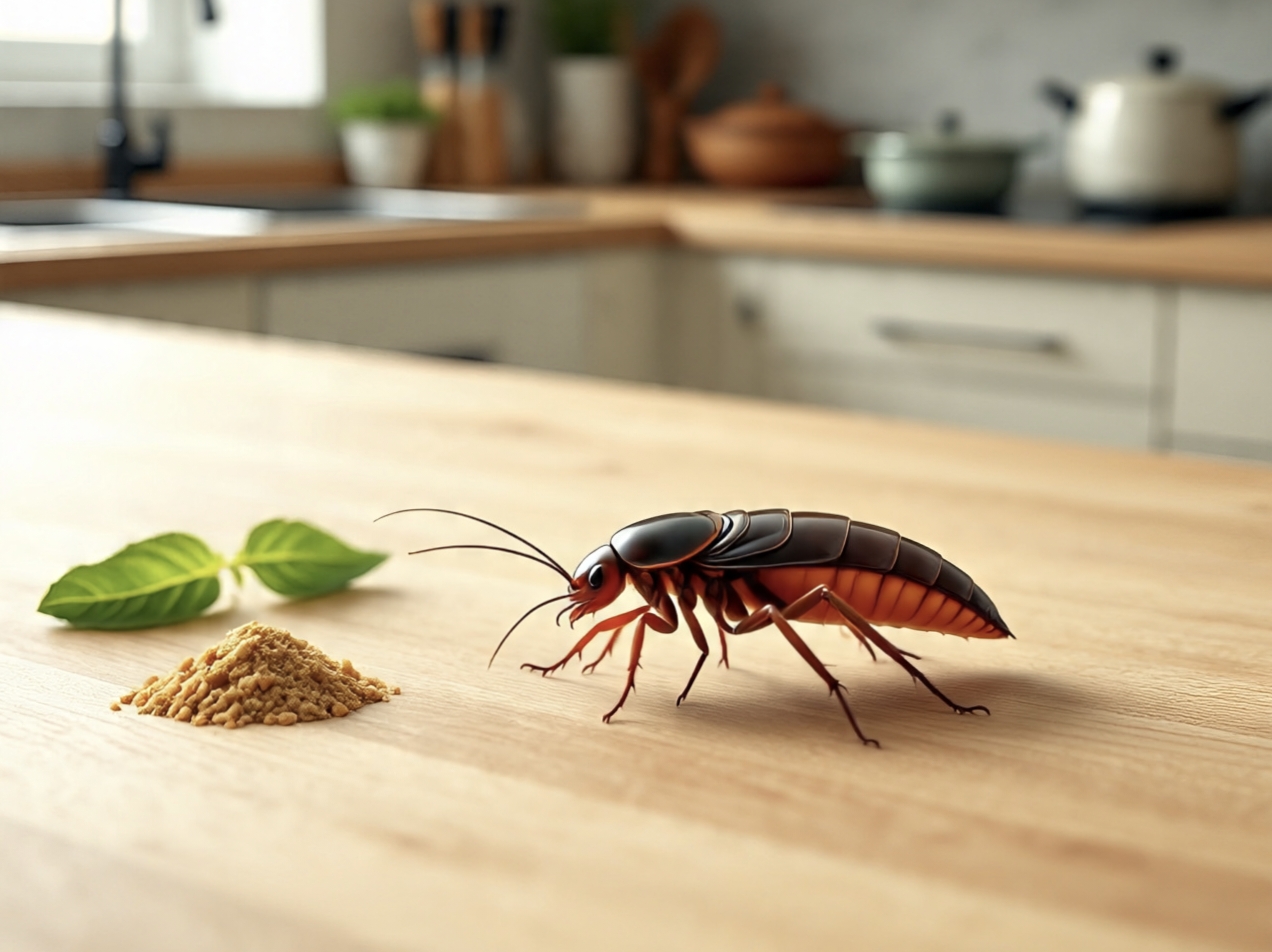
Homes in Ottawa provide warmth, shelter, and food—unfortunately, not just for people. Many common household pests are drawn indoors throughout the year, especially during seasonal changes. From insects to small wildlife, infestations can cause property damage, health risks, and ongoing frustration if not addressed early.
While professional services are sometimes necessary, there are several natural and preventative steps homeowners can take to reduce the risk of infestations. Understanding which pests are most common and how they enter your home is the first step toward long-term protection.
Common Household Pests
Ants
Ants are among the most frequent household pests, particularly during spring and summer. They are attracted to food crumbs, moisture, and sugary substances. Once a trail is established, ants can quickly take over kitchens and pantries.
Cockroaches
Cockroaches prefer warm, dark, and damp areas such as basements, bathrooms, and under sinks. They are not only unpleasant to see but can also contaminate food and trigger allergies.
Mice and Rats
Rodents seek shelter indoors during colder months. Even small openings can allow mice to enter walls, attics, and crawl spaces. Rodents can chew wires, damage insulation, and spread bacteria.
Spiders
Most spiders are harmless and actually help control insects, but excessive spider activity often indicates another pest problem. Basements, garages, and storage areas are common nesting spots.
Wasps and Hornets
Wasps often build nests under eaves, in sheds, or inside wall cavities. They can become aggressive when disturbed, making early prevention critical.
Wildlife Intruders
Raccoons, squirrels, and skunks sometimes find their way into attics or under decks. These animals can cause structural damage and create health concerns if not handled properly, often requiring professional Wildlife Removal in Ottawa services when prevention fails.
Preventative measures include securing rooflines, installing chimney caps, reinforcing deck enclosures, and removing outdoor food sources such as uncovered garbage or pet food. Homeowners should avoid attempting to remove wildlife themselves, as improper handling can be dangerous and illegal in some cases. Early detection and professional intervention help prevent repeat intrusions and long-term structural damage.
Natural Ways to Prevent Pest Infestations
1. Seal Entry Points
One of the most effective natural prevention methods is sealing your home properly. Inspect doors, windows, vents, and foundations for cracks or gaps. Use weather stripping, caulking, and mesh screens to block entry points.
Rodents and insects can squeeze through surprisingly small openings, so even minor gaps should not be ignored.
2. Maintain Cleanliness
Pests are attracted to food and water sources. Simple habits can make a big difference:
- Wipe down kitchen counters daily
Store food in airtight containers - Take out garbage regularly
- Clean under appliances
- Avoid leaving pet food out overnight
Reducing food access is one of the most natural and effective pest deterrents.
3. Control Moisture Levels
Many pests thrive in damp environments. Fix leaking pipes, ensure proper drainage around your foundation, and use dehumidifiers in basements. Proper ventilation in bathrooms and kitchens also helps discourage insects like cockroaches and silverfish.
4. Use Natural Repellents
Several household items act as natural pest deterrents:
- Peppermint oil helps repel ants, spiders, and mice
- Vinegar disrupts ant trails
- Cedarwood deters moths and insects
- Diatomaceous earth (food grade) helps control crawling insects
While these solutions may not eliminate large infestations, they are excellent preventative tools.
5. Manage Outdoor Landscaping
Your yard plays a major role in pest prevention. Overgrown shrubs, stacked firewood, and standing water can attract pests and wildlife.
- Keep vegetation trimmed away from your home
- Store firewood at least 20 feet from the house
- Remove debris and leaf piles
- Ensure proper drainage to prevent water buildup
Outdoor maintenance reduces the chances of pests migrating indoors.
6. Secure Garbage and Compost
Garbage bins and compost areas are major attractants for rodents and wildlife. Use sealed containers and clean them regularly. Compost should be properly maintained and located away from the home to reduce smells and access.
7. Inspect Your Home Seasonally
Regular inspections help catch pest activity early. Check attics, basements, crawl spaces, and exterior walls at least twice a year—especially before winter. Early detection can prevent minor issues from becoming major infestations.
When Natural Prevention Isn’t Enough
While natural methods are highly effective for prevention, some infestations require professional intervention. Rodents, wasps, cockroaches, and wildlife can pose health and safety risks if left untreated. In such cases, working with a trusted Pest Control Ottawa professional ensures the problem is handled safely, humanely, and in compliance with local regulations.
Professional services not only remove existing pests but also identify vulnerabilities in your home to prevent future infestations.
Severe infestations often spread quickly and can be difficult to manage with home remedies alone. Pests nesting inside walls, attics, or crawl spaces may remain hidden for long periods, allowing damage and contamination to increase over time. Wildlife and stinging insects can also become aggressive when threatened, making do-it-yourself removal unsafe.
Final Thoughts
Preventing household pests naturally starts with awareness, cleanliness, and regular maintenance. By sealing entry points, managing moisture, maintaining outdoor spaces, and using natural deterrents, homeowners can significantly reduce the risk of infestations.
However, when pests or wildlife become persistent or dangerous, professional help is the safest solution. A balanced approach—combining natural prevention with expert support when needed—ensures a healthier, pest-free home year-round.