

In today’s international market, opportunities are everywhere, but identifying the right ones has become increasingly difficult. A company may have a competitive product, reliable production capacity, and strong sales teams, yet still struggle to find suitable buyers, understand market demand, or choose the right countries for expansion.
The reason is simple: global trade decisions require more than assumptions. Businesses need accurate information about who is buying, where products are moving, which suppliers are active, and how markets are changing.
This is where importing and exporting data plays an important role.
By analyzing real trade activities, companies can gain a clearer understanding of global supply chains and make decisions based on actual market movements rather than incomplete information.
As a global trade data platform, Tendata helps exporters, importers, manufacturers, and trading companies access valuable trade insights to identify opportunities and improve their international business strategies.
What Is Importing and Exporting Data?
Importing and exporting data refers to detailed records generated from international trade activities. These records are collected from customs declarations, shipment information, and other trade-related sources.
Depending on the data source and platform, trade data may include:
- Importer and exporter information
- Product descriptions and HS codes
- Shipment quantities and values
- Origin and destination countries
- Supplier and buyer relationships
- Historical trading activities
Unlike general market reports that show broad industry trends, importing and exporting data provides visibility into actual transactions happening across global markets.
For example, an electronics manufacturer looking to expand into a new region may want to know more than just the size of the market. The company needs to understand which distributors are already importing similar products, which suppliers they are working with, and whether demand is increasing or declining.
Trade data helps answer these questions.
How Tendata Uses Trade Data to Support Global Business Growth
Finding international business opportunities often requires significant research. Sales teams may spend hours searching company websites, checking online directories, or collecting fragmented information from different sources.
However, these methods do not always reveal whether a company is actively participating in international trade.
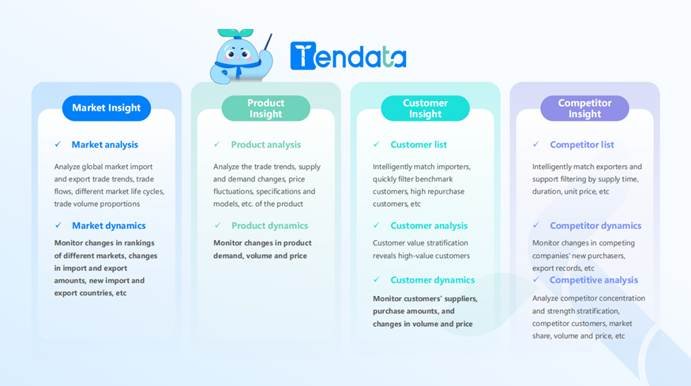
Tendata helps simplify this process by organizing global trade information into a more accessible format. Through its trade intelligence platform, companies can analyze shipment activities, discover potential partners, monitor competitors, and identify market trends.
For example, an exporter entering a new market can use trade insights to understand:
- Which companies are importing similar products
- Which countries show stronger demand
- Which suppliers are already serving the market
- How competitors are expanding internationally
This allows businesses to spend less time searching for information and more time building meaningful commercial relationships.
Find Qualified Buyers Through Real Trade Activities
For many exporters, the biggest challenge is not producing products but finding the right buyers.
Traditional lead generation methods often create large contact lists, but many contacts may not have current purchasing needs. A company might appear relevant based on industry information, yet have no recent import activity.
With importing and exporting data, businesses can identify companies with actual trading records.
For instance, a machinery manufacturer planning to expand overseas can analyze companies that have recently imported similar equipment. Instead of approaching hundreds of unrelated businesses, the sales team can focus on buyers that already demonstrate purchasing activity.
Tendata enables companies to explore buyer information based on real shipment history, helping sales teams create more targeted and effective outreach strategies.
Understand Competitors and Market Changes
International markets are constantly changing. New suppliers enter industries, purchasing patterns shift, and competitors adjust their strategies.
Without accurate information, companies may miss important market signals.
By analyzing trade data, businesses can gain insights into competitor activities, including:
- Export destinations
- Shipment frequency
- Product categories
- International customer networks
For example, if a company notices competitors are increasing shipments to a specific country, it can investigate whether that market represents a potential growth opportunity.
Rather than reacting after competitors have already established their position, businesses can use data insights to make earlier and more informed decisions.
Improve Supplier Evaluation and Supply Chain Decisions
Importers and sourcing companies also benefit from access to detailed trade information.
Choosing a supplier involves more than comparing prices. Companies need to understand whether a supplier has stable export experience, serves reliable markets, and maintains consistent business activities.
Through importing and exporting data, businesses can evaluate suppliers by reviewing:
- Export history
- Main destination markets
- Trading patterns
- Existing international customers
This additional visibility helps companies reduce uncertainty when selecting new suppliers and developing long-term partnerships.
Why Companies Choose Tendata for Importing and Exporting Data
The value of trade data depends on accuracy, coverage, and the ability to turn information into practical insights.
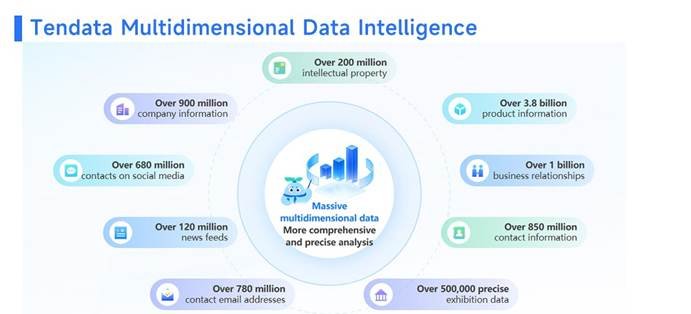
Tendata provides global trade data solutions designed to help businesses better understand international markets. By combining extensive trade records with analytical tools, Tendata allows users to research buyers, suppliers, competitors, and market opportunities more efficiently.
Key advantages include:
Comprehensive Global Trade Information
Companies operating internationally need visibility across different regions and industries. Tendata provides access to extensive trade information, helping users explore opportunities beyond their current markets.
Company-Level Trade Insights
Market statistics show general trends, but company-level information reveals who is actually participating in trade. This helps businesses identify real buyers, suppliers, and competitors.
More Efficient Market Research
Instead of collecting scattered information from multiple sources, businesses can use Tendata to organize and analyze trade activities in one place.
Turning Trade Data into Business Opportunities
Different teams can apply trade insights in different ways.
Export sales teams can discover potential customers and improve prospecting efficiency.
Marketing teams can understand demand trends and develop more targeted campaigns.
Procurement teams can research suppliers and explore alternative sourcing options.
Business development teams can evaluate new markets before investing resources.
The key advantage of importing and exporting data is that it connects business decisions with real market activity.
Final Thoughts
Global expansion is no longer only about having the right products. Success also depends on understanding where opportunities exist and how international trade is changing.
Importing and exporting data provides businesses with valuable visibility into global transactions, helping them discover buyers, evaluate suppliers, analyze competitors, and identify new markets.
With Tendata’s global trade data platform, companies can transform complex trade information into practical insights and make more confident decisions in the global marketplace.
For businesses looking to expand internationally, better data means better opportunities.