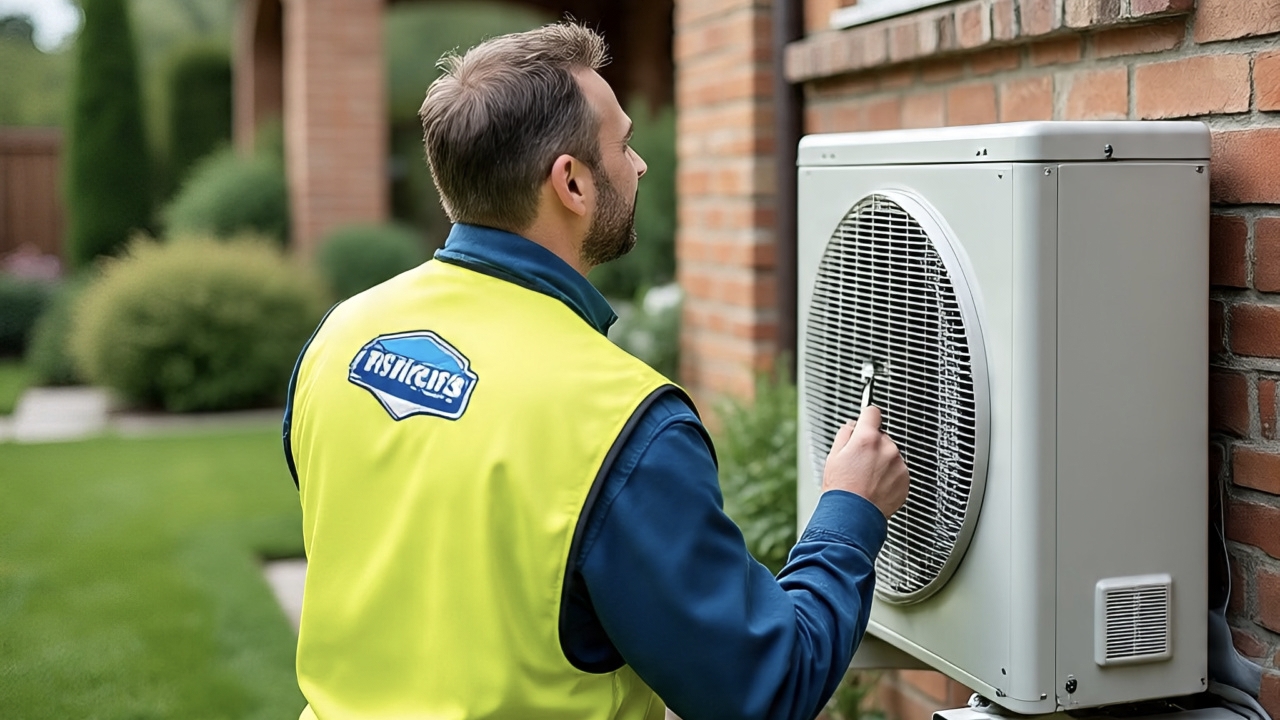
As temperatures climb, finding relief from the heat becomes a priority for many households. Yet, the relief of a cool home often comes with the dread of a skyrocketing energy bill. Fortunately, the landscape of cooling technology has evolved significantly in recent years. Modern innovations are not just about raw power; they are about efficiency, intelligence, and providing superior comfort without draining your wallet. By understanding the advanced technologies available today, you can make informed decisions that keep your living space comfortable and your expenses manageable.
In this guide, we will explore the cutting-edge advancements driving cost-effective cooling performance. From smart thermostats to variable-speed compressors, these technologies represent a leap forward in how we manage indoor climates. Whether you are looking to upgrade an aging system or simply want to understand how modern cooling works, this listicle will provide the insights you need to stay cool for less.
1. Variable-Speed Compressors
One of the most significant advancements in cooling efficiency is the variable-speed compressor. Unlike traditional compressors that operate on a simple on/off basis—blasting at full capacity until the desired temperature is reached and then shutting down—variable-speed units adjust their output dynamically. Think of it like a car accelerator; you don’t always need to floor it to maintain speed. These compressors can run at lower speeds to maintain a consistent temperature, which consumes far less electricity than the frequent start-stop cycles of older models. This steady operation also results in better humidity control, which is crucial for comfort and preventing mold growth that can contribute to respiratory sickness.
2. Smart Thermostats and Zoning Systems
The brain of your cooling system has gotten a major upgrade. Smart thermostats go beyond simple scheduling; they learn your habits and preferences over time. They can detect when you are away and adjust the temperature accordingly to save energy, or cool the house down right before you arrive home. Furthermore, advanced zoning systems allow you to cool specific areas of your home independently. If you spend most of your day in a home office, there is no need to waste energy cooling the empty bedrooms upstairs. By directing air only where it is needed, you maximize efficiency and reduce the strain on your system.
3. High-Efficiency Heat Exchangers
The core function of any cooling system involves transferring heat from the inside of your home to the outside. Modern heat exchangers utilize advanced materials and innovative designs to maximize the surface area available for this transfer. For instance, micro-channel coils use smaller, flat tubes rather than large round ones, allowing for more efficient heat dissipation. This means the system can remove heat more quickly and with less energy input. Improved heat transfer also means the system doesn’t have to work as hard, extending the lifespan of the unit and ensuring reliable performance during the hottest days of the year.
4. Energy-Efficient Fan Motors
The fans that circulate air throughout your home play a vital role in cooling performance, and their motors have seen significant improvements. Electronically Commutated Motors (ECMs) are a prime example of this technology. Unlike traditional AC motors that run at a fixed speed, ECMs can adjust their speed based on airflow requirements. They are quieter, generate less heat, and use a fraction of the electricity. This efficiency gain is particularly noticeable during mild weather when full airflow isn’t necessary to maintain comfort. Furthermore, consistent but lower-speed airflow helps in continuous filtration, capturing airborne particles and allergens that might otherwise trigger sickness or allergies.
5. Thermal Expansion Valves (TXVs)
While it sounds technical, the Thermal Expansion Valve is a small component with a big impact. It precisely controls the flow of refrigerant into the evaporator coil based on the cooling load. Older systems often used fixed-orifice devices that couldn’t adapt to changing conditions, leading to inefficiency. A TXV ensures that the exact right amount of refrigerant is used at any given moment. This precision not only improves energy efficiency but also protects the compressor from damage caused by liquid refrigerant flooding back into it. It ensures that your system operates at peak performance regardless of how hot it gets outside.
6. Advanced Air Filtration and Purification
While primarily associated with indoor air quality, advanced filtration technologies contribute significantly to system efficiency. High-efficiency filters are designed to trap smaller particles without restricting airflow as much as older, dense filters. When airflow is restricted, the system has to work harder to push air through, using more energy. Moreover, integrating UV lights or ionization technology can keep the internal coils free of biological growth like mold and bacteria. A clean coil transfers heat much more effectively than a dirty one. Keeping the air clean isn’t just about preventing sickness; it’s about keeping the mechanical heart of your home running smoothly.
7. Sustainable Refrigerants
The fluids used to absorb and release heat are changing too. Older refrigerants were effective but harmful to the environment. The industry is shifting toward next-generation refrigerants that have a lower global warming potential and better thermodynamic properties. These modern refrigerants can absorb and release heat more efficiently than their predecessors. This means that a system designed for these new fluids can achieve the same cooling effect with a smaller compressor and less energy. It’s a win-win for both your utility bills and the planet.
8. Integrated Dehumidification
High humidity can make a room feel much hotter than the thermostat indicates, leading people to crank down the temperature and waste energy. Advanced cooling systems often feature integrated dehumidification modes. These systems can slow down the airflow over the cooling coil, allowing more time for moisture to condense and be removed from the air without over-cooling the space. By effectively managing humidity, you can feel comfortable at a higher temperature setting. This not only saves money but also creates a healthier environment, as high humidity is a breeding ground for dust mites and bacteria that can lead to sickness.
Conclusion
The convergence of these technologies means that staying cool doesn’t have to be an expensive luxury. By investing in systems that utilize variable-speed components, smart controls, and advanced materials, homeowners can enjoy a higher standard of comfort while keeping energy costs in check. Whether you are considering an upgrade or simply looking to optimize your current setup, understanding these innovations is the first step toward a more efficient home. If you are considering an upgrade to your home’s comfort systems, looking into professional air conditioning installation in Riverton can ensure you get the most out of these advanced technologies.