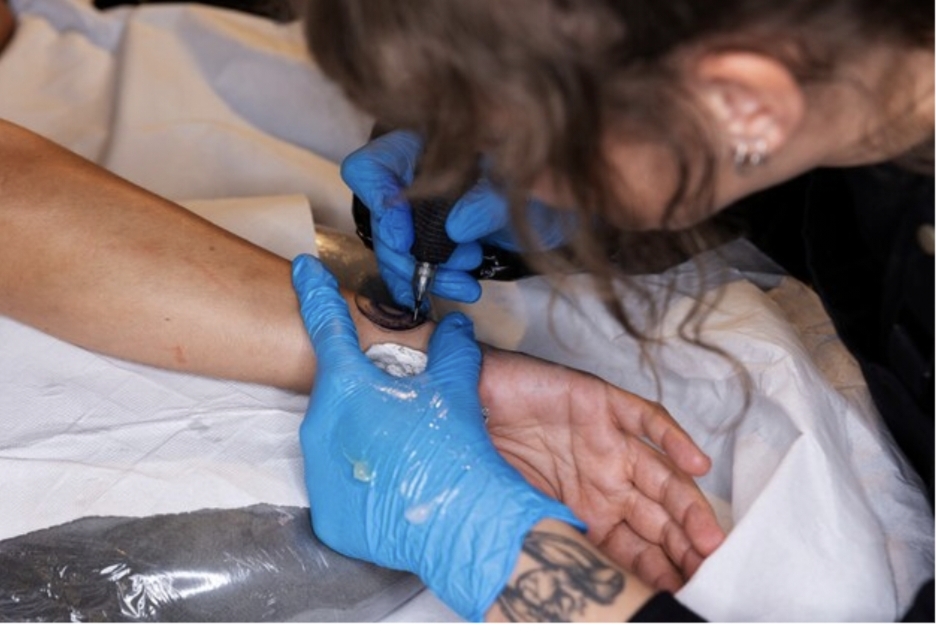
Tattoo removal has become increasingly popular as individuals reconsider their body art. Whether it is due to a change in personal preferences or a need for a professional look, understanding what to expect from various tattoo removal treatments is crucial for those considering this option.
Understanding Tattoo Removal
Tattoo removal is a procedure designed to eliminate unwanted tattoos. There are several methods available, each with its advantages and challenges. The choice of method often depends on factors like the size, colour, and age of the tattoo, as well as the individual’s skin type.
Laser Tattoo Removal
One of the most common and effective methods is laser tattoo removal. This technique involves using concentrated beams of light to break down the ink particles in the skin. Over several sessions, these fragmented ink particles are absorbed by the body, gradually fading the tattoo.
Q-Switched Lasers
Q-Switched lasers are a popular choice in this category. They work by emitting energy pulses in nanoseconds, targeting the ink particles without damaging surrounding tissue. This precision makes them suitable for a range of ink colours and skin types.
PicoSure Lasers
PicoSure lasers use ultra-short pulses to shatter ink particles more effectively. The shorter pulse duration reduces the risk of skin damage and often requires fewer sessions than traditional lasers, making it a preferred option for many.
Expected Results and Side Effects
While laser tattoo removal is highly effective, it does not guarantee complete elimination. Factors such as ink colour, the depth of ink in the skin, and individual skin reaction can influence the outcome. Multiple sessions are usually necessary, typically spaced several weeks apart to allow the skin to heal.
Common side effects include redness, swelling, and blistering, all generally temporary. Post-treatment care is essential to minimise scarring and promote healing.
Other Tattoo Removal Methods
Aside from laser treatments, there are alternative methods such as dermabrasion and surgical removal. Dermabrasion involves sanding down the skin to remove the tattoo, while surgical removal physically excises the tattooed skin, often leaving a scar.
When to Consider Alternatives
These methods might be considered when laser removal is not suitable, such as in cases of allergies to ink or when a tattoo is too deep for lasers to be effective. However, they often come with higher risks and longer recovery periods.
Consultation and Choosing the Right Clinic
Choosing a clinic with experienced professionals is crucial for effective and safe tattoo removal. It is important to have an initial consultation to discuss expectations, costs, and any concerns regarding the procedure.
Evaluating Expertise and Technology
Potential clients should ensure that the clinic uses advanced technology that suits their specific needs. Checking the clinic’s credentials and reading reviews from previous clients can provide valuable insights into their reliability and expertise.
Cost Considerations
The cost of tattoo removal can vary significantly depending on the size and complexity of the tattoo and the number of sessions required. It is important to discuss this upfront with the clinic to avoid unexpected expenses later.
Many clinics offer payment plans, making the process more affordable for those concerned about the financial commitment.
The Importance of Aftercare
Proper aftercare is vital for ensuring the best results from tattoo removal treatments. Following the clinic’s aftercare instructions can greatly minimise the risk of complications such as infection or scarring.
Clients should be prepared for a regime that includes protecting the treated area from sun exposure and keeping it clean and moisturised.
Conclusion
Tattoo removal is a personal decision that requires careful consideration of the methods, potential results, and costs involved. As with any cosmetic procedure, consulting with qualified experts and understanding the process thoroughly can lead to more satisfactory outcomes for those looking to remove their tattoos.