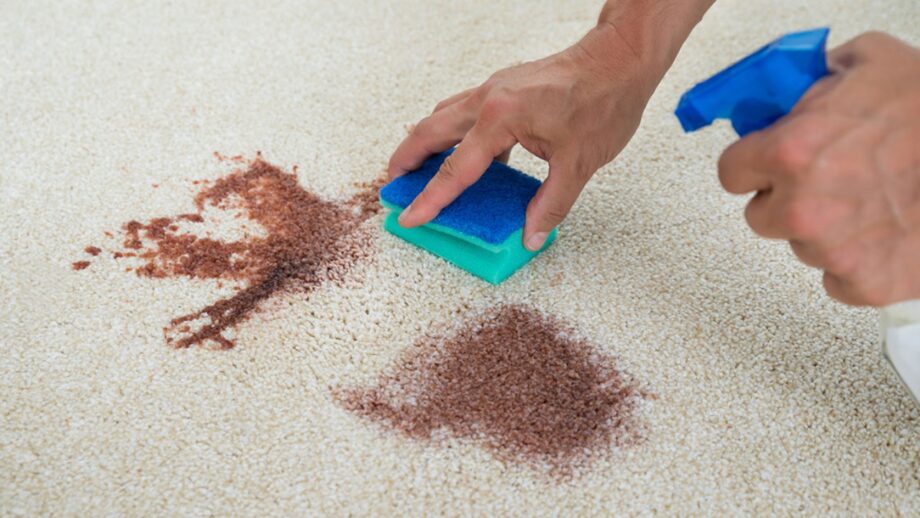
Some stains act like they’ve signed a lifetime lease. You scrub, soak, blot, repeat — and they barely fade. Whether it’s a coffee spill on your carpet, oil on a driveway, or years of baked-on grime on outdoor furniture, stubborn stains can make even the cleanest home or workspace feel neglected. It’s usually around this point that people consider stronger methods like abrasive cleaning, but before you jump into anything harsh, it helps to understand what’s actually happening beneath the surface.
Every stain has a story. Some cling because of their chemical makeup. Others because they’ve settled deep into porous materials. And a few won’t shift simply because they’ve been ignored for too long. The good news? With the right steps — and a bit of strategy — most stains can be lifted without damaging the material underneath.
Below are the practical steps to follow when you’re dealing with a stain that refuses to budge, no matter what you throw at it.
Step 1: Identify the Type of Stain Before Touching It
It’s tempting to panic-clean. Spill happens, adrenaline kicks in, and before you know it you’re rubbing it with whatever cleaning product is closest. But the first move should always be to identify what caused the stain.
Why it matters:
Different stains respond to different treatments. For example:
- Protein-based stains (blood, eggs, dairy) react badly to hot water — it sets them.
- Oil-based stains (makeup, grease, sunscreen) need detergents that break down fats.
- Tannin stains (coffee, tea, wine) prefer mild, non-bleach cleaners.
A few seconds of assessment can save you hours of scrubbing.
Step 2: Blot — Don’t Rub
Rubbing pushes the stain deeper. Blotting lifts it up.
Grab a clean cloth or paper towel and gently press it onto the stain. You’re aiming to pull out as much of the spill as possible before applying any product.
Blotting tip:
Always work from the outside of the stain toward the centre. This stops it from spreading.
Step 3: Use the Lightest Cleaning Method First
When stains don’t budge, people instinctively reach for the strongest cleaner in the cupboard. But starting gentle is smarter — especially for delicate surfaces like timber, upholstery, or painted walls.
Try this order:
- Warm water
- Mild soap or detergent
- Vinegar or bicarbonate of soda (for safe materials only)
- Specialty stain remover
Going too strong too early can cause discolouration, warping, or surface damage — leaving a stain and a repair bill.
Step 4: Know When to Use Heat (and When to Avoid It)
Heat can be magical for some stains — and disastrous for others.
Use heat for:
- Wax
- Chewing gum
- Certain oily stains
Avoid heat for:
- Blood
- Dairy
- Anything with proteins
If you’re unsure, stick to cold or lukewarm water until you identify the stain type.
Step 5: Give the Product Time to Work
Most people scrub too aggressively simply because they didn’t let the product soak for long enough.
Letting a cleaner sit for a few minutes allows it to break apart the stain so you don’t have to do the hard work. It often takes patience rather than pressure to remove tough marks.
Step 6: Test Before Using Anything Harsh
If you’re considering heavy-duty methods, always test the product in an inconspicuous spot. You don’t want to fix one problem and create another.
This step is especially important for:
- Natural stone
- Polished timber
- Painted surfaces
- Upholstery
- Outdoor pavers
Different materials absorb and react to cleaners in very different ways.
Step 7: Accept When a Stain Has Become Part of the Material
Some stains are simply too old, too deep, or too chemically bonded to be removed with standard household methods. That doesn’t mean the surface is ruined — it just means it needs a more specialised approach.
Consider professional help when:
- The stain covers a large area
- The material is delicate or expensive
- You’ve tried multiple gentle methods with no change
- The stain is causing odour, bacteria, or mould
Professionals have tools and techniques that go far beyond what’s safe for normal household use.
Step 8: Prevent Future Stains From Becoming Permanent
Once you’ve finally conquered a stubborn stain, the best thing you can do is prevent the next one.
Quick prevention habits:
- Seal porous surfaces like stone and concrete
- Wipe spills immediately (even water can stain some materials)
- Use coasters, mats, and tray organisers
- Schedule seasonal deep cleans
Tiny habits save you from big headaches later.
When Stains Won’t Budge, Technique Matters More Than Force
Dealing with difficult stains can feel never-ending, especially when you’ve tried every cleaner in the cupboard and nothing seems to work. But most of the time, success comes down to understanding the stain, choosing the right approach, and working with — not against — the material beneath it.
And when even the toughest DIY efforts aren’t enough, specialised cleaning methods can restore surfaces without causing damage. Stubborn stains don’t mean defeat — they just mean it’s time for a smarter strategy.