If you are charged with domestic violence, consulting a defense attorney can help you understand your rights, potential consequences, and available defenses. The attorney explains the procedures you may encounter and the options available at each stage of the case. Whether the charge involves assault, harassment, stalking, or violating a protective order, you have the right to legal representation. Here is more information about understanding the role of a domestic violence defense attorney:
Protecting Defendant Rights
When you collaborate with a domestic violence defense attorney during the investigation of your case, the lawyer uses legal provisions to protect your rights. Your defense attorney can review police reports and witness statements to identify procedural errors in evidence collection. The attorney spots inconsistencies in statements presented during the case.
Your lawyer carefully examines the investigation and can determine whether the arrest and the collection of evidence complied with legal standards. By asserting your constitutional rights and advising you on appropriate communication with law enforcement, your attorney provides legal protection. When the accusation depends on unsupported information, the attorney analyzes the record to assess its reliability and evidentiary value. Your lawyer can file motions to suppress evidence obtained without legal compliance. This careful approach protects your rights and strengthens your position for upcoming legal proceedings. Giving your attorney clear information allows them to develop a defense that reflects the facts of your situation.
Early Defense Preparation
A defense lawyer depends on thorough fact-gathering and early intervention to build a strong response if the case proceeds to court. Your lawyer interviews witnesses and obtains statements relevant to the incident. The legal practitioner may use this information to better understand the events and the context of the allegation. A lawyer is likely to document environmental conditions, timing, and other situational details that influence the case. Early consultation with a criminal defense lawyer helps guide your actions so you do not inadvertently compromise evidence. Your lawyer may also communicate with prosecutors to clarify circumstances or provide mitigating information. This proactive approach preserves evidence and establishes the foundation for developing a strategic defense.
Challenging the Bond
As a defendant, pretrial release typically occurs through a bond or other court-approved release mechanism, and court-ordered conditions govern your conduct while the case is pending. Early legal guidance helps you understand these conditions and avoid actions that create additional risk. Legal advocacy often focuses on securing reasonable bail terms and addressing restrictions such as travel limits or reporting requirements. Some conditions affect employment, education, or family responsibilities, which place added strain on daily life.
A defense attorney petitions the court to review bond conditions and no-contact orders that extend beyond what is necessary to verify court compliance and public safety. The attorney submits employment records, proof of residency, or character references to provide context for the request. Bond challenges focus on demonstrating that certain restrictions lack a factual or legal basis in light of the defendant’s background and obligations. Courts revise bond terms when presented with reliable information showing that modified conditions satisfy legal and procedural requirements.
Representing Defendants in Court
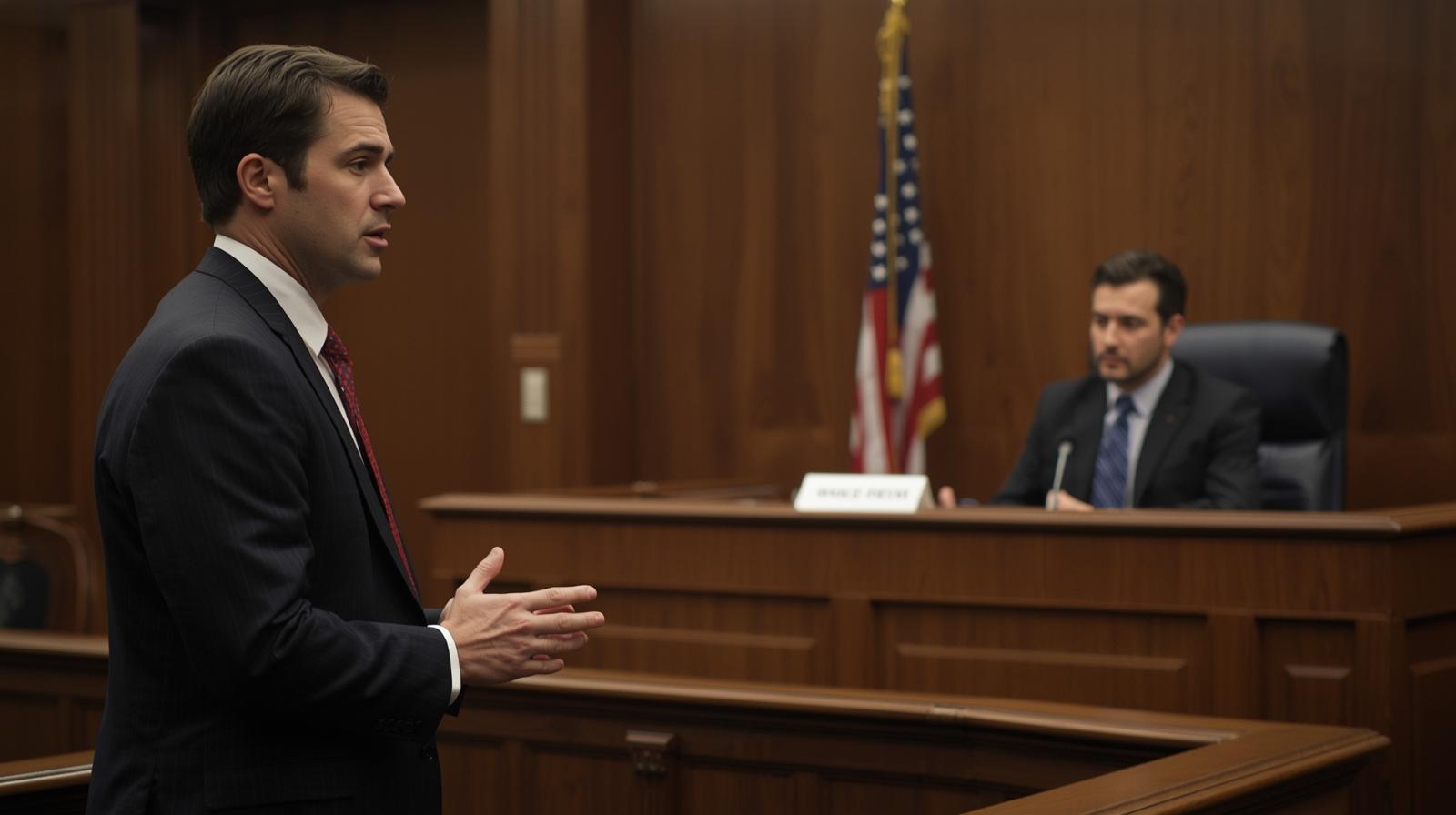
Once a case proceeds to trial, the defense attorney assumes primary responsibility for presenting the defense. The attorney manages courtroom proceedings, including filing motions, delivering opening statements, and cross-examining witnesses. The defense presents relevant evidence and, when appropriate, introduces expert or character testimony. Throughout the trial, the attorney monitors procedural compliance, addresses improper conduct, and responds strategically to developments. This consistent legal representation allows the defendant to focus on the proceedings without managing courtroom advocacy.
Hire a Domestic Violence Defense Attorney
Managing a domestic violence case involves detailed procedures and strict timelines that require careful attention. Working with a defense attorney provides guidance through each stage of the process and helps you respond in a legally informed manner. Contact a domestic violence defense attorney today to discuss your situation and understand your legal options.