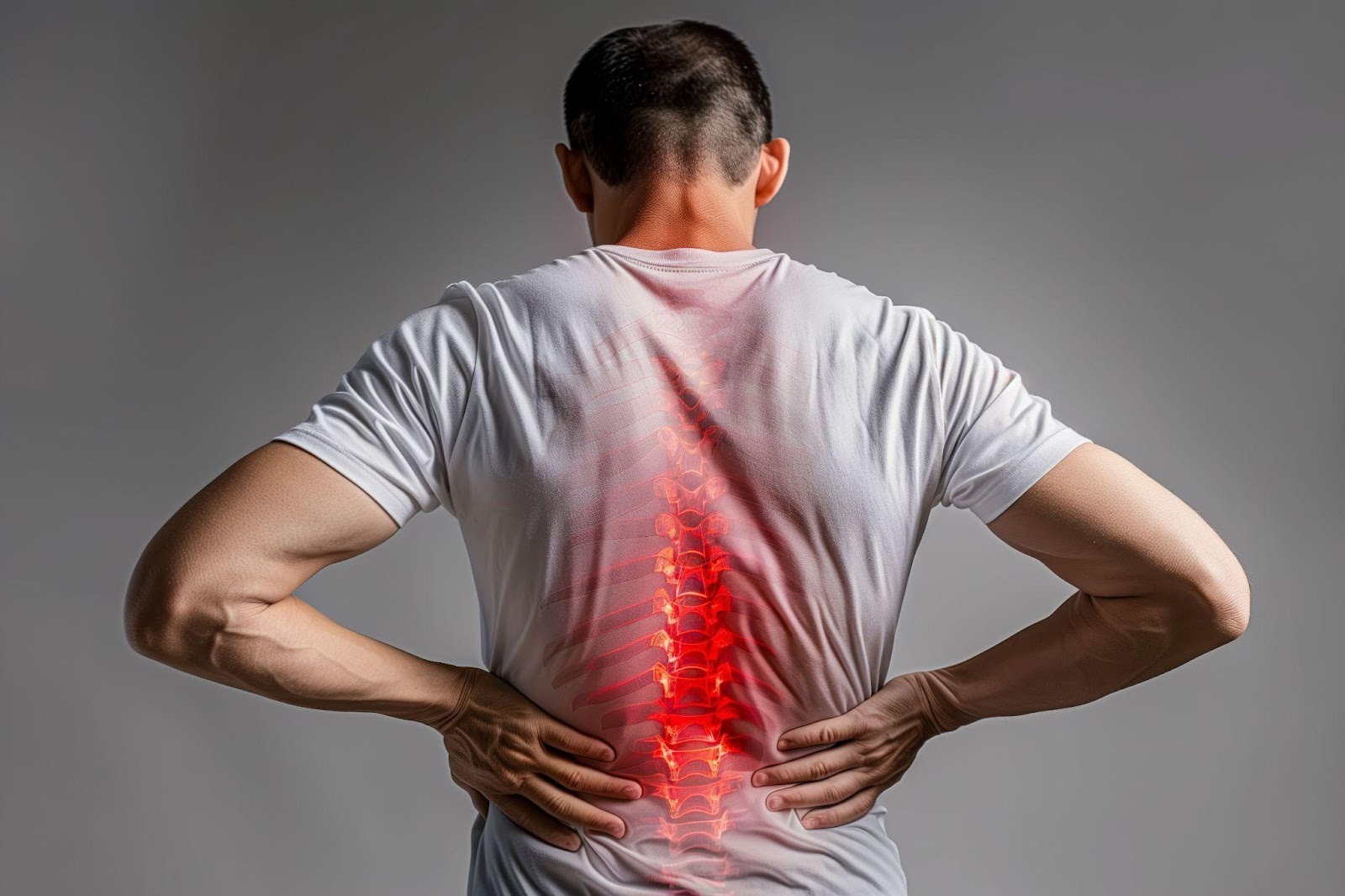
Many people experience back pain at some point in life. Rest, physical therapy, and lifestyle changes can help, but some situations prompt individuals to contemplate surgical solutions. Understanding these options is helpful when talking with a specialist and deciding what fits your needs. Here are several different types of spine surgery and what each method generally involves:
Understanding Spinal Fusion Surgery
Spinal fusion surgery brings stability to spinal segments that move excessively and cause discomfort. The procedure fuses two or more vertebrae, creating a single, solid bone over time. This helps reduce pain by limiting motion. During spinal fusion, a surgeon uses bone grafts along with screws, rods, or plates. These materials hold the vertebrae steady, and they allow the bone to heal as one unit. Surgeons connect the two points, so they move in coordination with each other instead of moving independently. Over several months, the bone grows and stabilizes the area.
Specialists use spinal fusion surgery when spinal movement contributes to ongoing discomfort, and they evaluate whether non-surgical options have been exhausted. Conditions such as severe arthritis or a slipped vertebra may necessitate this surgical approach. Limiting movement at the affected site helps protect nerves and surrounding tissues from repetitive stress.
Exploring Decompression Surgery
Decompression surgery addresses issues related to nerve pressure in the spinal cord or nerve roots. When nerves feel pinched, the result is often pain, tingling, or weakness in the arms or legs. This type of spine surgery removes portions of bone or tissue pressing against nerves. The most common forms include:
- Laminectomy: Taking away the lamina, the vertebral arch at the back, enlarges the spinal canal for nerves.
- Laminotomy: Removing only a small portion of the lamina or bone over a specific nerve root, instead of the entire lamina, relieves pressure while keeping most of the spinal structure intact.
- Foraminotomy: Widening the foramen, the opening for nerve roots, creates extra space and relieves tightness.
A fundamental aim of decompression surgery is to open pathways so the nerves work effectively. Removing sources of pressure allows nerves to heal, and it can result in improved movement and function. These changes often translate to increased ease during daily activities.
Explaining Artificial Disc Replacement Surgery
Artificial disc replacement presents an alternative to fusion for some patients. Rather than creating a single fused bone, this option replaces a worn-out disc with a mechanical substitute. During the procedure, surgeons remove the damaged disc and insert a specially designed device. This device can be made from metal or a combination of metal and durable plastic, and it moves and flexes much like a natural disc does. Instead of restricting movement, artificial disc replacement aims to maintain as much normal motion as possible within the spinal segment.
Choosing disc replacement instead of fusion may be helpful for those wanting to keep flexibility in their spine. Preserving motion reduces strain on nearby vertebrae, and this potentially lowers the risk of issues developing elsewhere. This approach is sometimes explored in patients with disc-specific problems rather than widespread arthritis or spinal instability.
Learn More About Spine Surgery
Spine surgery includes several approaches, and understanding the differences helps you make informed decisions and clarifies potential outcomes. Spinal fusion stabilizes the spine, decompression surgery relieves nerve pressure, and artificial disc replacement preserves movement. Some surgeons also offer minimally invasive options, which use smaller incisions and promote faster healing. If you are contemplating spine surgery, discuss your options with a specialist.