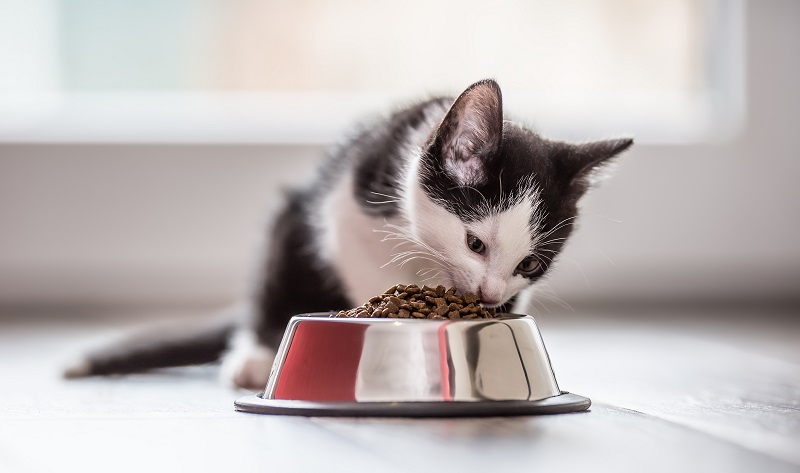
Selecting the right food for feline companions can feel overwhelming. Many people believe that opting for premium cat food guarantees optimal nutrition. However, several common errors can undermine the benefits of high-quality options. Recognizing these mistakes helps cat owners provide the best care for their pets. Careful consideration of ingredients and nutritional needs ensures a healthier and happier pet.
1. Ignoring Ingredient Lists
Many buyers focus on branding or packaging, overlooking the actual contents. Ingredients should always take priority over marketing messages. By reading labels closely, owners can choose formulas rich in real meat and free from unnecessary fillers. Skipping this step may lead to unintentional consumption of low-quality additives. With options ranging from wet food to air‑dried supplements, shop premium cat food today and support your cat’s vibrant health.
2. Overlooking Protein Sources
Cats require high amounts of animal-based proteins, not just any protein. Some premium foods use plant proteins to cut costs. These alternatives do not provide the same nutritional value as chicken, fish, or beef. Always check the source of proteins to ensure cats receive proper nourishment.
3. Misunderstanding Life Stage Requirements
Kittens, adults, and senior cats have different dietary needs. Feeding adult formulas to kittens or vice versa may cause health complications. Age-appropriate food supports development, maintenance, or aging processes. Select products tailored to your pet’s specific life stage for balanced nutrition.
4. Underestimating Food Allergies
Some cats react poorly to certain ingredients, such as grains, dairy, or specific meats. Ignoring signs such as itching or digestive upset can worsen health issues. Observing reactions after introducing new foods helps detect sensitivities early. Consider hypoallergenic options for pets with known allergies.
5. Relying Only on Price as an Indicator
A higher price does not always equate to superior quality. Expensive options may still contain undesirable fillers or artificial additives. Comparing the ingredient list and guaranteed analysis proves more effective than judging by price alone. Smart shoppers evaluate value based on nutrition, not cost.
6. Disregarding Wet versus Dry Options
Both wet and dry foods offer unique benefits. Wet varieties can aid hydration, while dry kibble helps maintain dental health. Some buyers choose one type exclusively, missing out on potential advantages. Combining both types may create a well-rounded diet for many cats.
7. Neglecting Portion Control Guidelines
Even the finest food can cause problems if served excessively. Overfeeding leads to weight gain and related health concerns. Following the feeding instructions provided on the packaging prevents these issues. Consistent portion sizes help maintain an ideal body condition.
8. Forgetting to Transition Gradually
Switching foods too quickly can upset a cat’s digestive system. A sudden change often results in vomiting or diarrhea. Gradual transitions, mixing old and new foods over several days, reduce the risk of gastrointestinal distress. Patience during this process benefits both pets and owners.
9. Skipping Veterinary Consultation
Veterinarians offer valuable guidance on dietary choices. Relying solely on online reviews or advertisements may lead to choices that do not meet specific needs—consulting a professional guarantees that all health factors are considered. Regular check-ups also help monitor the effectiveness of nutritional interventions.
10. Disregarding Caloric Content
Not all premium foods contain the same calorie levels. Feeding a calorie-dense formula without adjusting portions can contribute to unhealthy weight gain. Checking calorie information ensures that pets receive the right amount for their activity level and age. This small step helps avoid obesity-related complications.
11. Assuming All Premium Foods Suit Every Cat
Each cat has unique preferences and health requirements. What works for one feline may not suit another. Sampling different products and observing the cat’s response allows for more personalized nutrition. Flexibility in choices ensures pets thrive on a diet tailored to their needs.
Conclusion
Choosing premium cat food requires more than relying on reputation or price. By avoiding these common mistakes, cat owners support their pets’ well-being and longevity. Careful attention to ingredients, proper portions, and individual needs makes a significant difference. Informed decisions lead to happier, healthier feline companions.