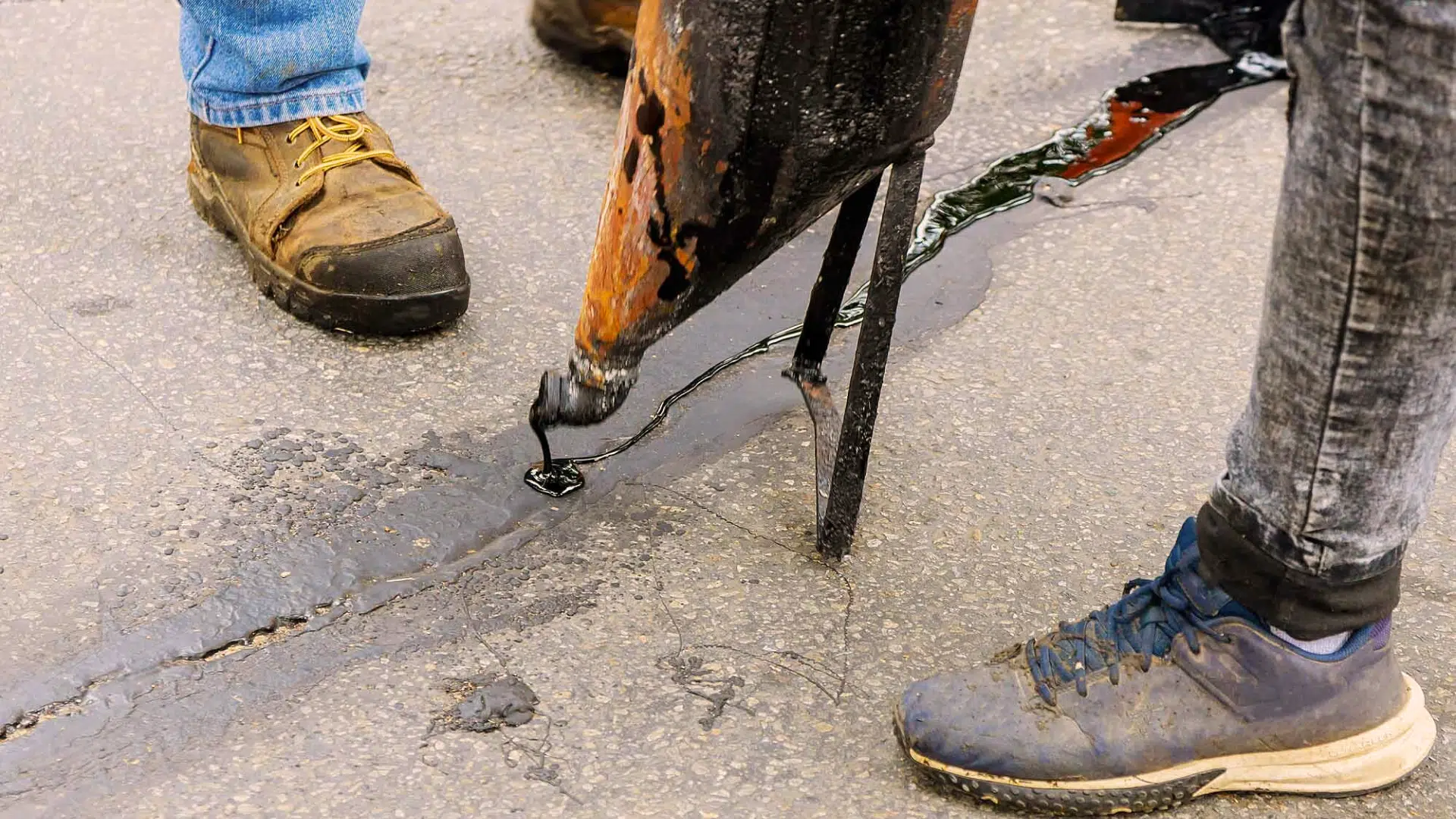
Concrete looks strong, tough, and indestructible — the kind of material you can pour and forget about for decades. But the truth is, concrete begins to deteriorate long before the obvious cracks appear. The earliest warning signs are subtle, often easy to miss if you’re not paying attention. And while preventative care such as concrete coatings, can help extend the life of a surface, recognising these early signals gives you the chance to act before small problems grow into expensive repairs.
Most people notice concrete issues only when they’re glaringly obvious, like large cracks or flaking chunks. But your concrete will usually “talk” long before that — you just need to know what to look for.
Fading Colour That Doesn’t Return When Wet
Concrete naturally lightens over time, but if it becomes patchy, dull, or faded in certain areas, that’s a sign the surface layer is wearing away. If you wet the concrete and the colour doesn’t temporarily darken the way it used to, it often means the pores are more open and unprotected.
This early erosion can make the surface more vulnerable to:
- Water penetration
- Staining
- Dusting
- Freeze–thaw damage (in colder climates)
Catching this early gives you time to reseal or protect the surface before deeper damage sets in.
Hairline Cracks That Look Small but Spread Quickly
Hairline cracks are one of the first signs that your concrete is under stress. They may appear harmless — faint lines you can barely see — but they’re often the beginning of a larger issue.
Hairline cracks can develop from:
- Temperature changes
- Shrinkage during curing
- Movement in the soil beneath
- Repeated heavy loads
- Surface wear over time
Once moisture gets into these tiny openings, they expand. If you notice new cracks or old ones getting longer, it’s time to pay attention.
Powdery Dust on the Surface (Known as Dusting)
If you walk across concrete and notice a fine, powder-like residue sticking to your shoes, your concrete is starting to break down at the surface. This dusting usually happens when the top layer loses strength and begins to erode.
Common causes include:
- Poor sealing or worn sealant
- Exposure to harsh weather
- Overworking the surface during installation
- Using de-icing salts in winter
Dusting may not seem serious, but it signals that the surface is weakening — and it won’t stop unless treated.
Small Pits and Pinholes
Take a close look at the surface. Tiny pits or pinholes can be early clues that moisture or chemicals are affecting the concrete. Over time, these small openings widen and create larger pockmarks that trap water and debris.
These pits often appear in:
- Driveways
- Garages
- Patios
- Walkways
They can start small enough to ignore, but once they become visible, deterioration has already begun.
Edges That Start to Crumble
The edges of concrete structures — steps, slabs, driveways — are the most vulnerable areas. If you see small chips, flaking, or crumbling along the sides, that’s a major early-warning sign.
This often happens from:
- Repeated impact
- Water running off the edges
- Seasonal expansion and contraction
- Years of wear and tear
If the edges fail, the interior of the slab becomes exposed and breakdown accelerates quickly.
Uneven or Soft Spots Underfoot
You might not see anything wrong, but you can feel it. If the concrete feels slightly uneven, hollow, or soft in certain areas, it may mean the sub-base underneath is shifting or settling.
This can lead to:
- Larger cracks
- Sinking sections
- Water pooling
- Trip hazards
Addressing unevenness early can prevent the need for complete slab replacement later.
Water That Doesn’t Drain the Way It Used To
Water pooling in areas that used to drain well is a subtle sign that the concrete surface is changing shape or losing its protective layer. Over time, moisture sitting on the surface seeps in, weakens the slab, and encourages further damage.
Keep an eye out for:
- Puddles that form after small amounts of rain
- Dark stains that linger longer than before
- Damp patches that don’t dry evenly
This change in drainage is often one of the first signs people overlook.
Rust-Coloured Stains That Seem Random
Rust marks on concrete may not seem like a big deal, but they can indicate a much deeper problem — the reinforcement inside the concrete (usually steel) may be corroding. When steel rusts, it expands, putting pressure on the concrete around it and eventually causing cracking or spalling.
Early rust stains often appear near joints or edges and should never be ignored.
Your Concrete Is Trying to Tell You Something
Concrete ages slowly, but it also deteriorates quietly. By the time major cracks, crumbling, or deep pitting show up, the problem has usually existed for years. The trick is catching the small, easily overlooked signs before they escalate.
A little awareness — noticing colour changes, surface dust, subtle cracks, or drainage issues — can save you from major repairs later. Regular maintenance and protective treatments keep concrete stronger for longer, and taking action early is the best way to preserve its lifespan.
Your concrete doesn’t break down overnight. But by knowing the signals, you can ensure small issues stay small — and keep your surfaces looking and performing their best for years to come.