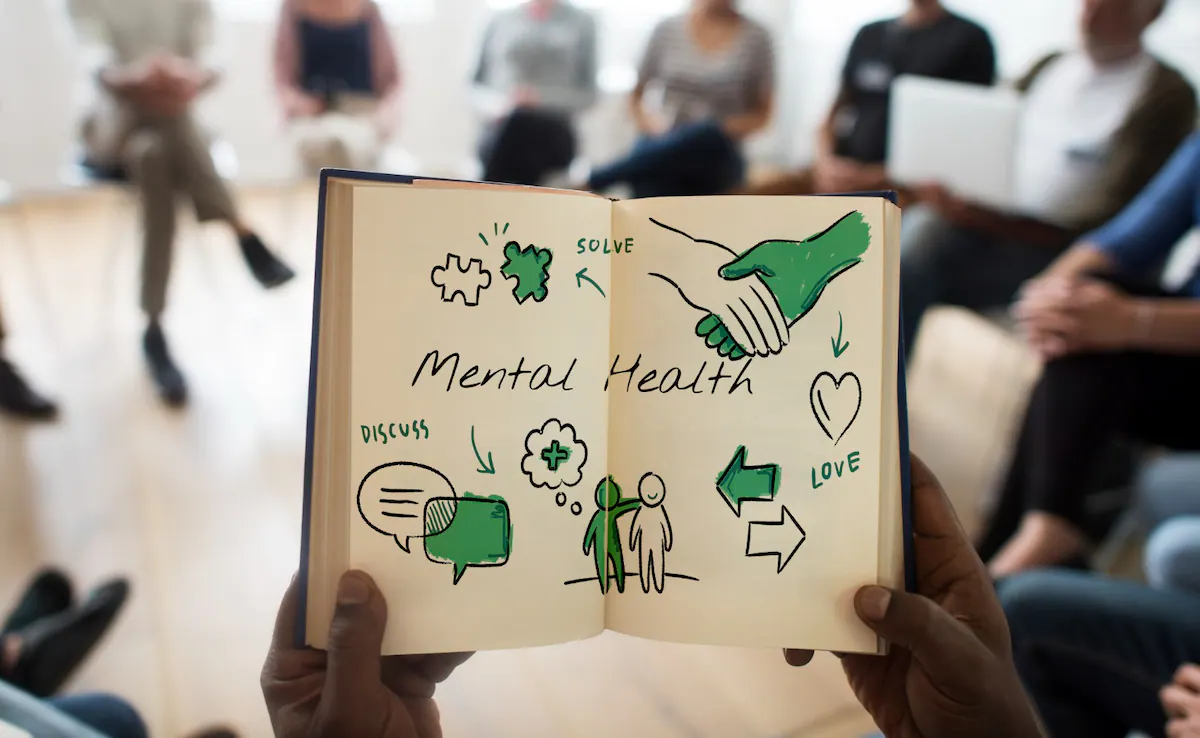
In recent years, conversations around mental health have moved from the margins into everyday life. What was once considered a private struggle is now discussed more openly in workplaces, schools, and communities. People are increasingly recognizing that emotional well-being is just as essential as physical health. Yet while awareness has grown, access to meaningful care remains one of the biggest challenges in the modern mental health landscape.
For many individuals, the journey toward healing begins with a simple realization: they need support. But recognizing that need is only the first step. The real challenge often lies in finding care that is accessible, affordable, and adaptable to the realities of daily life. As societies become more aware of mental health needs, the conversation is shifting toward a critical question—how can people actually access the support they need when they need it?
Accessible care is becoming one of the most important pillars in modern mental health systems. It is not only about expanding services but also about removing barriers that prevent people from seeking help in the first place.
Understanding the Barriers to Mental Health Support
Despite growing awareness, many people still struggle to access appropriate mental health support. These challenges can take many forms, and they often overlap.
One of the most common barriers is cost. Mental health care can be expensive, especially for individuals without adequate insurance coverage or financial resources. Even when people recognize the need for support, the financial burden can discourage them from seeking it.
Geographic location can also create obstacles. In rural or underserved areas, mental health professionals may be limited or completely unavailable. People living in these regions may have to travel long distances or wait months for appointments, making consistent care difficult.
Another barrier is stigma. While attitudes toward mental health are improving, some individuals still feel embarrassed or ashamed to seek help. Cultural expectations, family beliefs, or societal pressures can make it difficult to openly discuss emotional struggles.
Time constraints also play a role. Many people juggle demanding work schedules, family responsibilities, and other commitments. Finding the time for regular support sessions can feel overwhelming, even when someone genuinely wants help.
These barriers highlight why accessible care is so critical. If support systems are difficult to reach, people are less likely to pursue them—even when they need them most.
The Shift Toward More Flexible Care Options
The modern approach to mental health care is evolving to address these accessibility challenges. Instead of expecting individuals to fit into rigid treatment structures, many professionals are exploring more flexible models of support.
One major shift is the expansion of telehealth. Virtual sessions have made it possible for people to connect with professionals from the comfort of their own homes. This approach removes travel barriers and can make it easier for individuals in remote areas to receive consistent support.
Flexible scheduling is another key development. Evening and weekend sessions allow individuals with demanding work schedules to participate in care without sacrificing other responsibilities.
In addition, mental health resources are increasingly being integrated into schools, workplaces, and community centers. By bringing support services closer to where people live and work, accessibility improves dramatically.
These changes are helping to reshape the mental health landscape. Instead of care being limited to traditional office visits, support is becoming more adaptable to the rhythms of everyday life.
Why Early Access to Support Matters
Accessible care is not just about convenience—it can also significantly impact long-term outcomes.
When people can access help early, they are more likely to address challenges before they escalate into more severe issues. Stress, anxiety, and emotional distress can grow over time if left unaddressed. Early intervention allows individuals to develop coping strategies and resilience before problems become overwhelming.
For example, someone experiencing persistent stress at work may initially dismiss it as temporary pressure. Without support, that stress could eventually develop into burnout, anxiety, or depression. Access to Mental Health Therapy at an earlier stage could help that individual learn healthy coping mechanisms, manage stress more effectively, and prevent more serious complications.
Early support also encourages healthier emotional habits. Just as regular exercise supports physical health, ongoing emotional care can strengthen resilience and self-awareness.
The Role of Community in Expanding Access
Communities play a powerful role in shaping mental health accessibility. When communities prioritize emotional well-being, they create environments where seeking help feels normal rather than stigmatized.
Schools are increasingly recognizing the importance of mental health education. Programs that teach students about emotional regulation, stress management, and communication skills can provide lifelong tools for navigating challenges.
Workplaces are also beginning to acknowledge that mental health affects productivity, engagement, and overall job satisfaction. Employers that support mental well-being initiatives often see benefits such as reduced burnout and improved team morale.
Local organizations, peer support groups, and community events can also contribute to a supportive environment. These spaces allow individuals to share experiences, learn from others, and build connections that reduce feelings of isolation.
By fostering open dialogue and encouraging supportive networks, communities can make it easier for people to seek help without fear of judgment.
Technology’s Expanding Role in Mental Health Care
Technology is becoming a powerful tool for expanding mental health accessibility. Digital platforms, mobile apps, and online educational resources are helping individuals learn more about emotional health and connect with supportive tools.
For many people, technology serves as an entry point. Someone who may feel hesitant about traditional therapy might start by exploring self-guided resources, mental health podcasts, or guided mindfulness exercises online.
Digital platforms can also complement traditional mental health therapy by offering tools that reinforce healthy habits between sessions. Mood tracking, journaling apps, and meditation guides help individuals stay engaged in their emotional wellness journey.
While technology cannot replace human connection entirely, it can play a valuable role in expanding awareness and providing support to people who may otherwise have limited options.
Reducing Stigma Through Education and Awareness
Improving accessibility also requires addressing one of the most persistent barriers to care: stigma.
In many cultures, mental health challenges have historically been misunderstood or dismissed. People were often expected to handle emotional struggles privately, without seeking professional guidance.
Fortunately, attitudes are gradually changing. Public figures, educators, and health professionals are speaking more openly about emotional well-being. Media coverage and public awareness campaigns are also helping normalize conversations about mental health.
Education plays a key role in this shift. When people understand that emotional challenges are a normal part of the human experience, they are more likely to seek help when they need it.
Accessible care and stigma reduction go hand in hand. As services become easier to reach and communities become more supportive, individuals feel safer exploring mental health therapy as a path toward personal growth and healing.
A Future Focused on Inclusive Mental Health Care
The future of mental health care will likely focus on inclusivity and accessibility. Rather than offering a one-size-fits-all approach, support systems will continue evolving to meet the diverse needs of individuals and communities.
This means recognizing cultural differences, language barriers, economic challenges, and varying levels of comfort with traditional therapy models. Inclusive care acknowledges that each person’s path toward healing may look different.
For some individuals, support may involve structured therapy sessions. For others, it may include peer groups, wellness programs, or community resources that encourage emotional resilience.
By offering multiple pathways to support, mental health systems can ensure that more people receive the care they need.
Moving Toward a More Supportive Mental Health Landscape
The growing conversation around mental health represents an important cultural shift. Awareness is increasing, and more people are acknowledging the importance of emotional well-being. But awareness alone is not enough.
True progress lies in ensuring that care is accessible to everyone who needs it. This means removing financial, geographic, and social barriers that prevent individuals from seeking help. It also means creating environments where emotional health is treated with the same importance as physical health.
Accessible mental health therapy has the power to transform lives. When people are able to reach supportive resources without overwhelming obstacles, they are more likely to take the first step toward healing.
As communities, professionals, and individuals continue working together to expand access, the mental health landscape will become more compassionate, inclusive, and supportive for future generations.