Ring settings are the foundation of any beautiful piece of jewelry. They decide how gemstones stay secure and get showcased in a ring. Go with the right one, and it’ll boost a diamond’s shine while guarding precious stones from all that daily wear. Switch up the setting, and you get entirely new styles – think classic ones that never date, or bolder modern takes that make a statement. This article will explore various types of ring settings. You’ll learn how each one affects the overall appearance of jewelry, among other things.
Why Ring Settings Matter?
Ring settings play a key role in jewelry design by keeping gemstones locked in tight. Without the right ones, those valuable stones could easily slip out and get lost. The setting acts like a protective frame around the gemstone. It keeps the stone stable during daily activities.
Different types of ring settings can really switch up a ring’s whole appearance. Some make diamonds seem bigger and more brilliant, while others pull off a sleek, modern edge. The setting plays into how light gets in and bounces around the stone. This influences the gemstone’s sparkle and fire. Settings also determine how practical a ring is for everyday wear.
Popular Types of Ring Settings
Ring settings come in many different styles and designs. Each type has its own unique benefits and characteristics. The most popular types include:
- Prong
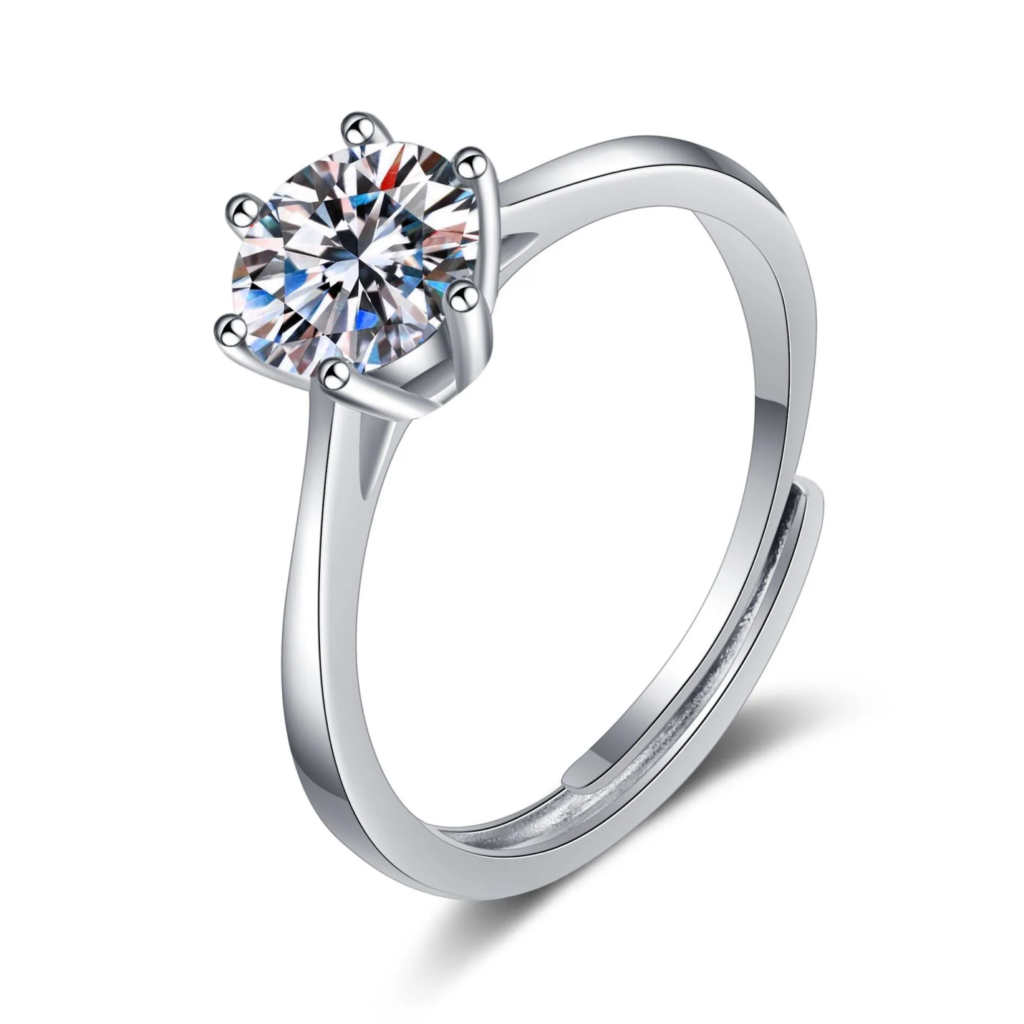
Prong settings use small metal claws to hold gemstones in place. Usually, four or six prongs grip the stone from different angles. This allows maximum light to enter the gemstone. The result is exceptional brilliance and fire. A prong setting ring also makes stones appear larger than other setting types. The main drawback is that it can catch on clothing.
- Bezel
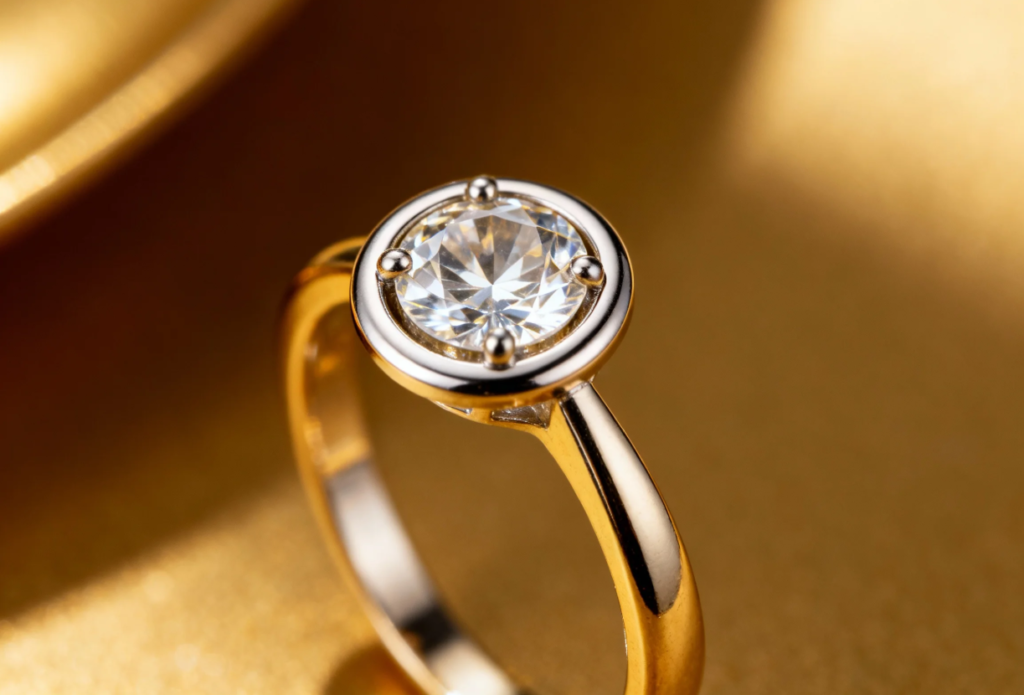
Bezel settings surround the gemstone with a thin metal rim. The metal completely encircles the stone’s edge, creating excellent protection for the gemstone. Bezel settings are ideal for active lifestyles. The smooth design doesn’t catch on clothing. However, bezel settings can make stones appear smaller.
- Channel
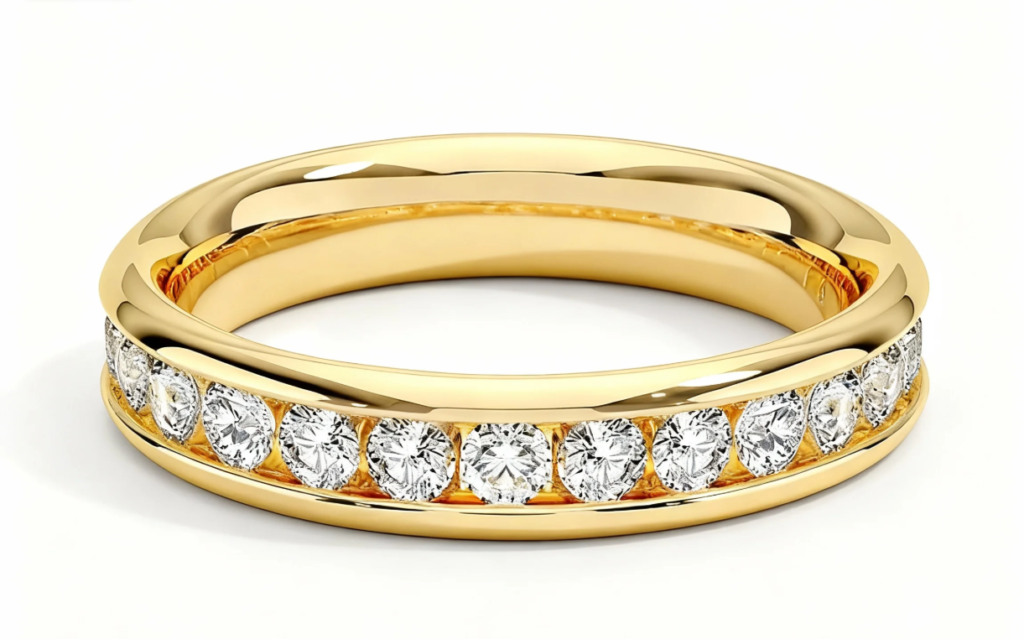
Channel settings place multiple stones in a row between metal walls. The stones sit snugly against each other. This creates a continuous line of sparkle. Channel set ring types are popular for wedding bands and eternity rings. They offer good protection for the stones and are comfortable to wear. They work best with stones of identical size.
- Tension
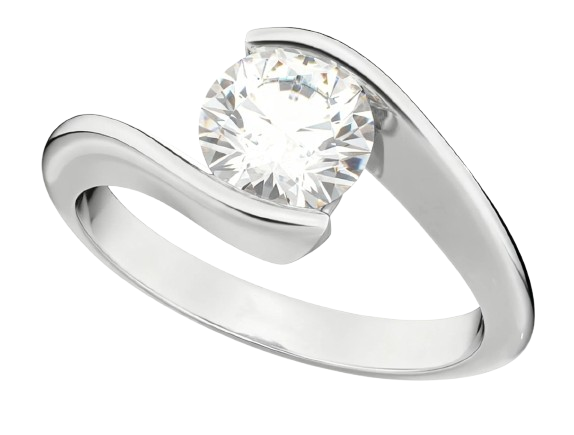
Tension settings use the metal band’s spring tension to hold stones. The gemstone appears to float between the two ends of the band. No visible prongs or bezels support the stone, hence creating a modern, dramatic appearance. Tension settings require precise engineering to work properly. Only certain gemstone shapes work well with them.
- Basket
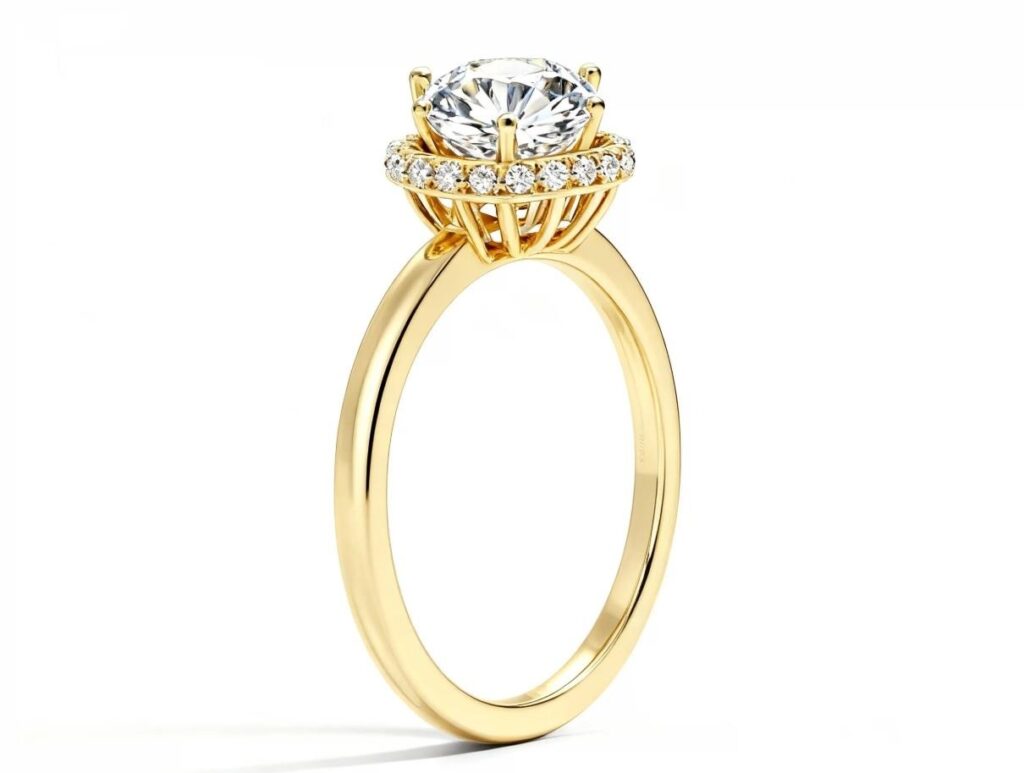
Basket settings feature a cage-like structure under the gemstone. Metal wires form a basket shape beneath the stone. This provides support while allowing light from multiple angles. Basket settings are popular for engagement rings. They offer good security for valuable stones. However, the basket can collect dirt over time, so regular cleaning is necessary.
- Trellis
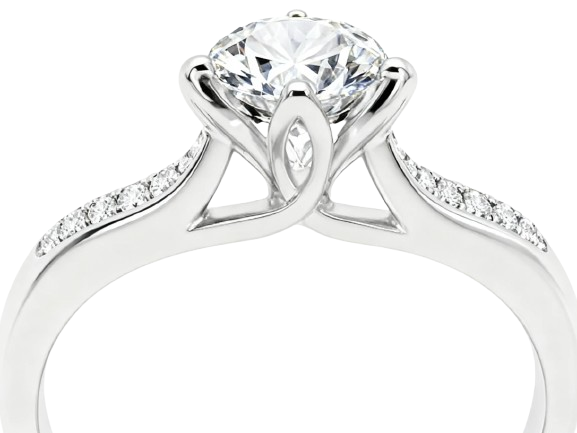
Trellis settings pull off a lattice pattern with interwoven metal bands. Those bands cross over and under each other around the stone, landing on an elegant, vintage-inspired finish. They go great with round or oval stones. However, the complex design can be harder to clean.

- Cathedral
Cathedral settings lift the gemstone high above the band. The stone sits on arched supports that resemble cathedral arches. This makes the gemstone more prominent and visible. Cathedral setting ring types create an elegant, classic appearance, but the height can make rings less practical for some activities.
Star Harvest: Excellence in Jewelry Craftsmanship
Star Harvest is a leading custom jewelry maker specializing in research, design, and production. It has built a reputation for excellence in brass and stainless steel jewelry manufacturing for over 20 years. Many jewelry brands partner with Star Harvest because of these key advantages:
- From 3D modeling right through to molds and final production, the company covers every step with solid expertise and tight quality checks.
- With seven unique patents on electroplating processes, it locks in color for more than three years and delivers top-notch durability.
- Using German precision gear for testing, it hits over 99% yield rates per batch, backed by strict quality controls.
- 97% on-time delivery keeps brands from dealing with stock-outs and helps keep customers happy.
- Thanks to deep industry ties and Star Harvest’s own factory setup, prices run 10-20% lower than competitors offering the same quality.
- Certifications like RJC, SGS, and ISO mean full compliance with no risks.
Conclusion
Ring settings play a crucial role in jewelry design and functionality. Each setting type offers unique benefits for different applications. Understanding these differences helps brands make informed design decisions. Star Harvest provides the expertise and manufacturing capabilities needed for exceptional jewelry production. Visit its official website to explore its comprehensive jewelry manufacturing services.