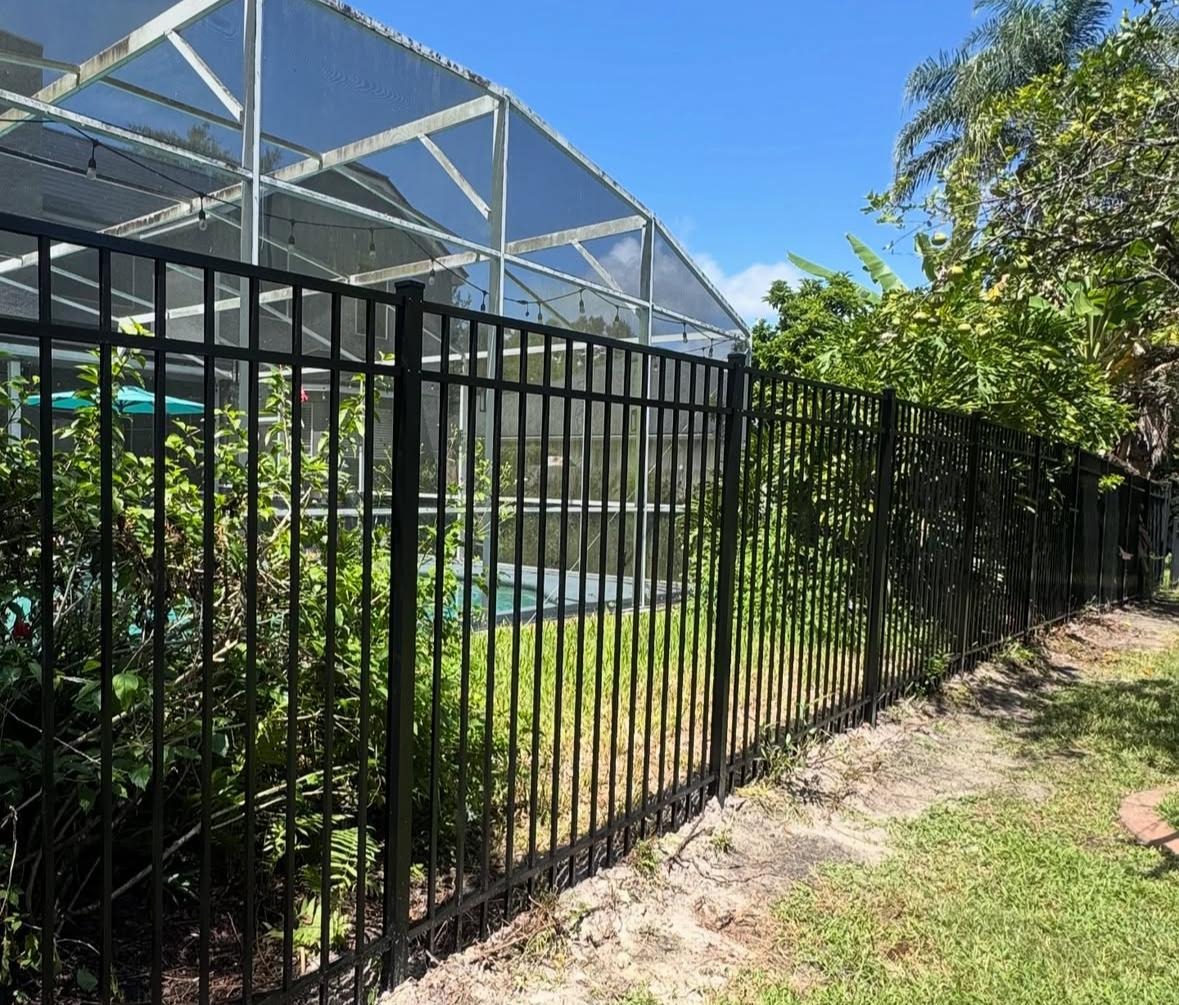
A properly installed fence does far more than mark a property line. It protects people, safeguards assets and shapes the way a home or business functions. Yet the needs of a homeowner are not the same as the needs of a commercial property owner. Residential fence installation and commercial fence installation are designed for very different levels of security, privacy and long term durability. Understanding these differences helps property owners choose the right materials, the right design and the right contractor for the job.
While fencing may seem straightforward, the installation process, regulatory requirements and performance expectations vary widely between homes and businesses. Below is a clear look at how these two categories differ and why choosing the correct approach makes a meaningful difference in long term results.
1. Security Needs Are Higher for Commercial Properties
Security is one of the primary reasons people search for fence installation near me, yet the level of security needed depends heavily on the type of property.
Homeowner Scenario
A homeowner may install a fence to keep pets in the yard, prevent children from wandering near roads or discourage unwanted foot traffic. Most residential security needs are moderate. A six foot wood or vinyl privacy fence is often enough to create a comfortable and protected space.
Business Scenario
A commercial property, such as a warehouse or industrial yard, may need a fence that helps protect equipment, control access and create a strong physical barrier. These fences usually require heavier materials, taller structures and enhanced reinforcement. Many businesses also need fencing that works with gates, access systems or surveillance equipment.
This difference in security expectations is one of the biggest distinctions between residential fence installation and commercial fence installation.
2. Privacy Expectations Are Different for Homes and Businesses
Privacy is a strong motivator for homeowners, but not always a priority for commercial properties.
Residential Privacy Goals
Many homeowners want outdoor spaces that feel private and comfortable. Solid wood or vinyl fences, shadowbox designs and tall privacy panels help block views from neighbors or busy streets. These choices improve daily living and increase backyard usability.
Commercial Privacy Goals
Some commercial properties do need privacy, such as storage facilities, automotive lots or medical offices. However, many businesses prefer visibility for safety reasons. For example, retail centers or offices may choose open style fencing that creates a clear boundary without restricting visibility.
This is why privacy solutions must be tailored to each property’s function rather than using a one size fits all approach.
3. Durability Requirements Influence Material Selection and Construction
Durability expectations differ between homes and commercial settings, and this plays a direct role in choosing the right material and construction method.
How Durability Impacts Homes
Homeowners typically choose materials that balance appearance, cost and lifespan. Wood, vinyl, ornamental metal and standard chain link are common. These materials are designed to handle typical residential conditions, including weather changes and routine outdoor activity.
How Durability Impacts Businesses
Commercial fence installation often requires materials engineered for heavy use. Business properties may be exposed to equipment traffic, frequent opening and closing of gates or contact with vehicles. As a result, commercial fencing often uses thicker metal, reinforced posts or industrial grade chain link.
Contractors also approach installation differently. Commercial posts may be set deeper, concrete footings may be larger and structural components may be reinforced to support higher loads.
4. Aesthetic Priorities Differ Between Property Types
Appearance plays a major role in residential fence installation, while commercial fencing often focuses more on function than style.
Residential Aesthetic Needs
A fence can significantly influence curb appeal and resale value. Homeowners often choose attractive designs that match the home’s architecture. Decorative wood, modern vinyl, horizontal slat designs and ornamental metal are popular for residential settings.
Commercial Aesthetic Needs
Businesses want fencing that looks professional but do not typically require ornamental detail. Clean lines, consistent finishes and simple colors are usually preferred. Function, visibility and cost effectiveness often outweigh complex aesthetic design.
This does not mean commercial fencing cannot look appealing. It simply means aesthetics tend to take a secondary role to safety and performance.
5. Regulations Are More Complex for Commercial Properties
Local rules often influence fence height, placement and acceptable materials.
Residential Regulations
Homeowners usually need to follow zoning rules, community guidelines or homeowner association requirements. These rules may dictate height limits, property line setbacks or pool safety standards.
Commercial Regulations
Commercial properties may face stricter or more detailed requirements. They may need fencing that meets specific safety codes, security guidelines or industry related standards. For example, properties near high traffic areas or industrial zones may require fencing designed to handle stronger wind loads or higher impact levels.
Choosing a contractor who understands local rules ensures that your fence installation complies with community and business standards.
6. Real World Examples Make the Differences Clear
To understand the contrast, consider these simplified examples:
Example 1: A Family Home
A homeowner wants to build a backyard sanctuary with privacy for grilling, relaxing and letting children play. They may choose a tall, solid vinyl fence that blocks views, reduces noise and blends with the home’s appearance. The focus is on privacy, comfort and visual appeal.
Example 2: A Light Industrial Facility
A business storing equipment outdoors may need a tall steel or industrial chain link fence with reinforced posts. Visibility is important for monitoring activity, and durability is essential due to frequent truck and equipment movement. The focus is on strength, security and long term reliability.
These examples highlight why residential fence installation and commercial fence installation cannot be approached the same way.
Final Thoughts
Residential and commercial fencing may look similar at first glance, but their purposes, materials and installation methods are very different. By understanding how security, privacy and durability influence each project type, property owners can make the right decisions that protect both their investment and their property long term. For dependable workmanship and guidance across both project types, EPR Fencing & Pergolas offers reliable solutions built to last.