Dry skin can be uncomfortable and unsightly, requiring special attention to restore its moisture balance and protect it from elements. Using the best moisturiser for dry skin is essential in creating a barrier that prevents further moisture loss while soothing and hydrating the skin.
Understanding Dry Skin
To choose the most suitable moisturiser, one must first understand what causes dry skin. Environmental factors like cold weather, low humidity, and harsh soaps can strip the skin of its natural oils. In addition, ageing and genetic predispositions may contribute to a drier skin texture.
The Importance of Hydration
Proper hydration is crucial for maintaining healthy skin. Moisturisers do not just hydrate but also lock in moisture to prevent trans-epidermal water loss. They act as both a preventive measure and a remedy for dry skin issues.
Key Ingredients to Look For
When choosing a moisturiser, specific ingredients can significantly enhance effectiveness:
Hyaluronic Acid
Known for its ability to retain a thousand times its weight in water, hyaluronic acid is a favoured ingredient for deep hydration.
Ceramides
Ceramides help restore the skin barrier, retain moisture, and protect the skin from environmental damage.
Glycerin
As a humectant, glycerin draws moisture into the skin and keeps it hydrated for longer periods.
Types of Moisturisers
Various types of moisturisers cater specifically to dry skin, ranging from gels to creams to ointments:
Creams
Creams tend to be heavier and are suitable for extremely dry skin as they provide intensive moisturisation.
Lotions
Lotions are lighter than creams and are ideal for use during the day when less intensity is needed.
Ointments
Ointments offer a thick and greasy texture, optimal for targeted treatment on severely dry skin areas.
Choosing the Right Moisturiser for Your Skin Type
While selecting a moisturiser, it is important to consider one’s specific skin type and any personal sensitivities or allergies. Patch testing a new product can prevent adverse reactions.
Application Tips
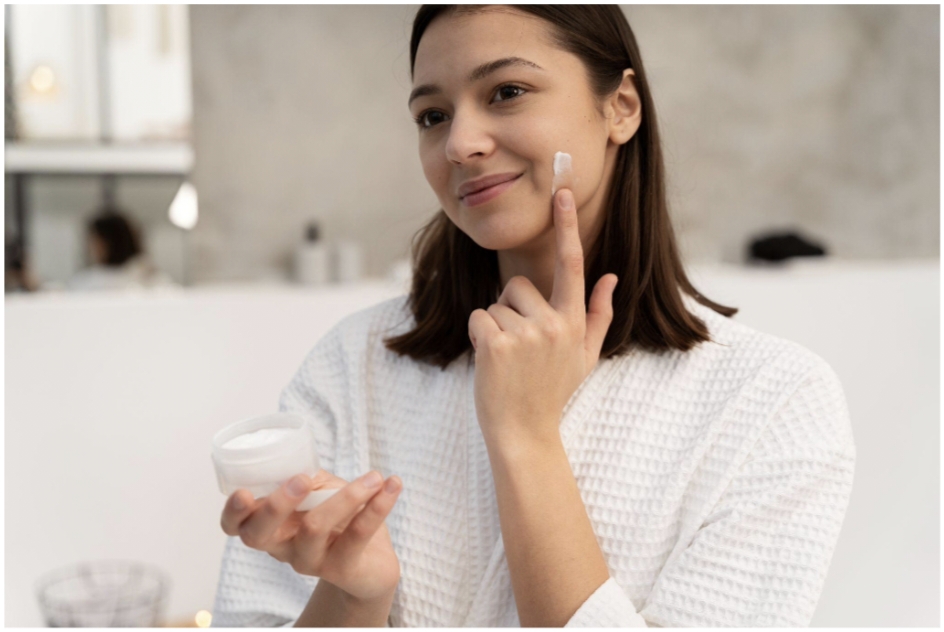
Applying moisturiser on slightly damp skin, such as right after a shower or bath, can enhance its hydration effects. Spreading it gently in an upward circular motion encourages better absorption.
Day vs. Night Moisturisers
Day moisturisers are typically lighter and designed to work under makeup, often containing SPF for sun protection. Night moisturisers are richer, focusing on repair and regeneration during sleep.
When to Seek Professional Advice
If persistent dryness or irritation occurs despite regular moisturisation, consulting a dermatologist is advisable for advanced skincare recommendations.
Conclusion
Finding the best moisturiser for dry skin involves understanding skin needs and choosing products with effective ingredients. By nourishing and hydrating properly, one can achieve softer, healthier skin and improve overall comfort and appearance.