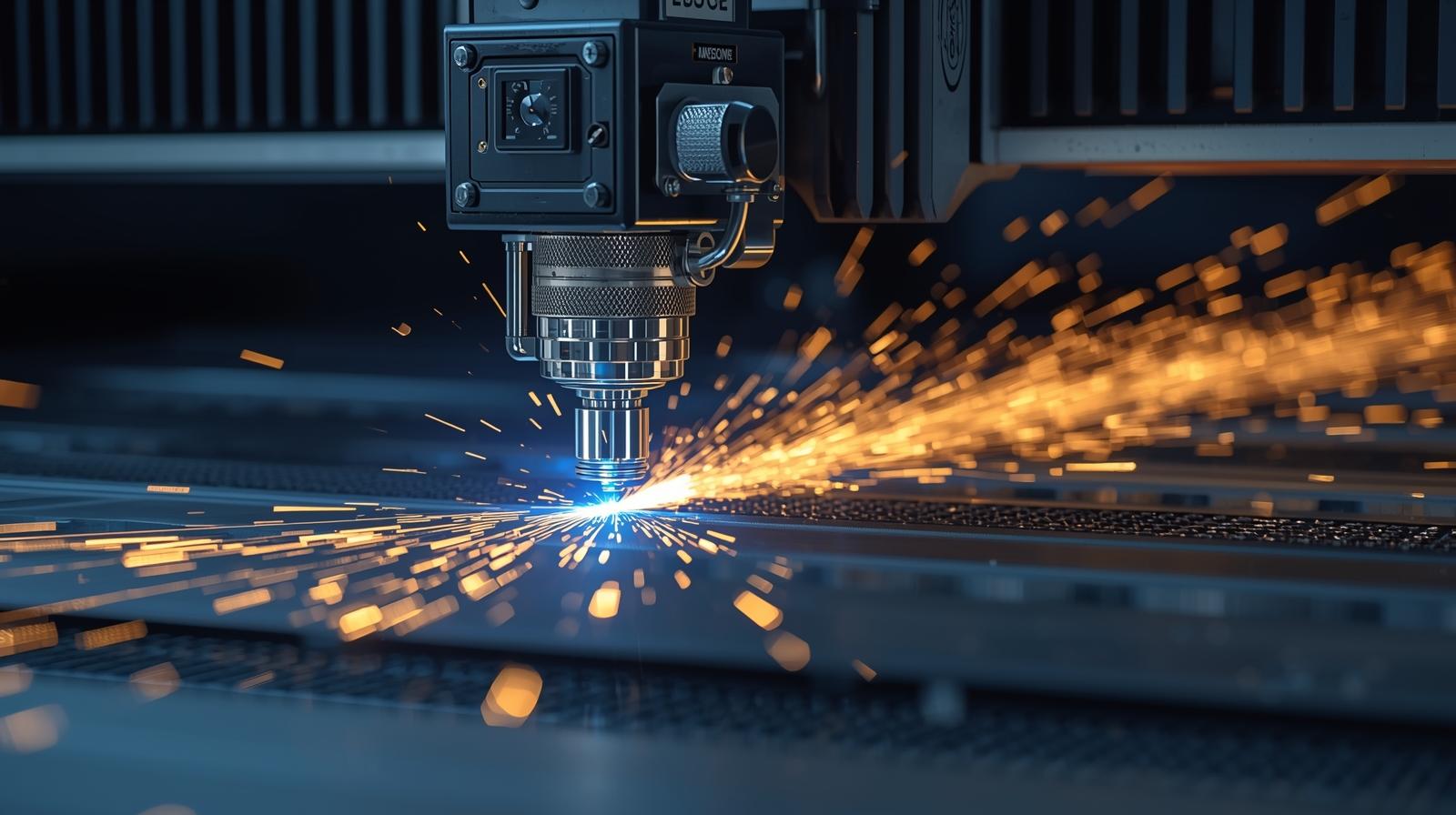
The use of a CNC plasma table is revolutionising industries by significantly enhancing precision and efficiency in cutting procedures. As technological advancements continue to unfold, these machines have become indispensable tools in various sectors, including manufacturing, metalwork, and fabrication. The intricate capabilities of CNC plasma tables allow for precise cuts in metal sheets and other conductive materials, offering an unparalleled level of accuracy that manual methods cannot achieve.
Understanding CNC Plasma Tables
A CNC plasma table is a computer-controlled cutting device that employs a plasma torch to cut through electrically conductive materials. The term CNC stands for Computer Numerical Control, indicating the use of computerised systems to dictate the movement of machinery. Plasma cutting itself utilises an accelerated jet of hot plasma to pierce through metals like steel, aluminium, brass, and copper, making it effective for complex and intricate cuts.
Core Advantages of Using CNC Plasma Tables
One of the primary advantages of CNC plasma tables lies in their precision. Unlike manual cutting methods, CNC plasma tables follow computer-generated designs to produce precise cuts, drastically reducing the margin for error. This precision is critical in high-stakes industries where accuracy can significantly impact the final product’s quality and performance.
Another substantial benefit is efficiency. CNC plasma tables operate at remarkable speeds, completing tasks in a fraction of the time required by traditional cutting methods. This speed translates into increased productivity, enabling companies to meet tighter deadlines and fulfil larger orders without compromising quality.
Improved Safety and Cost Efficiency
Safety is another key advantage of CNC plasma tables. Traditional cutting methods can present significant safety hazards, particularly when dealing with high temperatures and sharp metals. CNC plasma tables minimise direct human interaction with the cutting process, thereby reducing the risk of accidents in the workplace.
Economically, the efficiency and precision of CNC plasma tables contribute to cost savings. By minimising material wastage and reducing the likelihood of errors, businesses can optimise their resource utilisation and decrease the overall production costs.
Applications Across Various Industries
The versatility of CNC plasma tables allows them to be utilised across a broad range of industries. In manufacturing, these tools are often employed to create intricate components that require the utmost precision. The construction industry benefits from the rapid production of metal parts, while automotive and aerospace sectors rely on CNC plasma tables for crafting essential components that demand exceptional accuracy.
Technical Specifications and Features
CNC plasma tables come equipped with various technical features that enhance their functionality. These include high-definition plasma systems that deliver superior quality cuts, advanced software that allows for complex design integration, and robust motors ensuring precise control over the cutting process.
Many models also feature automatic height control, which adjusts the plasma torch’s distance from the material to optimise cutting quality and prolong the equipment’s lifespan. This adaptability ensures that CNC plasma tables can handle a wide range of material thicknesses and types.
Maintenance and Upkeep
Proper maintenance is crucial to ensure the longevity and optimal performance of CNC plasma tables. Regular inspections and timely servicing of components can prevent potential malfunctions and ensure that the table operates at peak efficiency. Cleaning the table to prevent the accumulation of metal dust and debris is also essential in maintaining its precision capabilities.
Training and Skill Development
While CNC plasma tables simplify the cutting process, operating these machines requires specialised training. Personnel must be adept in design software and familiar with the machinery’s programming. Investing in employee training not only enhances operational efficiency but also maximises the potential of the technology, ensuring elevated production standards.
Conclusion
The integration of CNC plasma tables in industrial processes signifies a major leap forward in enhancing production capabilities. Their precision, efficiency, and versatility make them valuable assets across multiple industries. By investing in such advanced technology, businesses can not only boost their production quality but also remain at the forefront of innovation in their respective fields. As technology continues to evolve, CNC plasma tables are poised to become even more integral to industrial operations, setting new benchmarks for precision and efficiency.