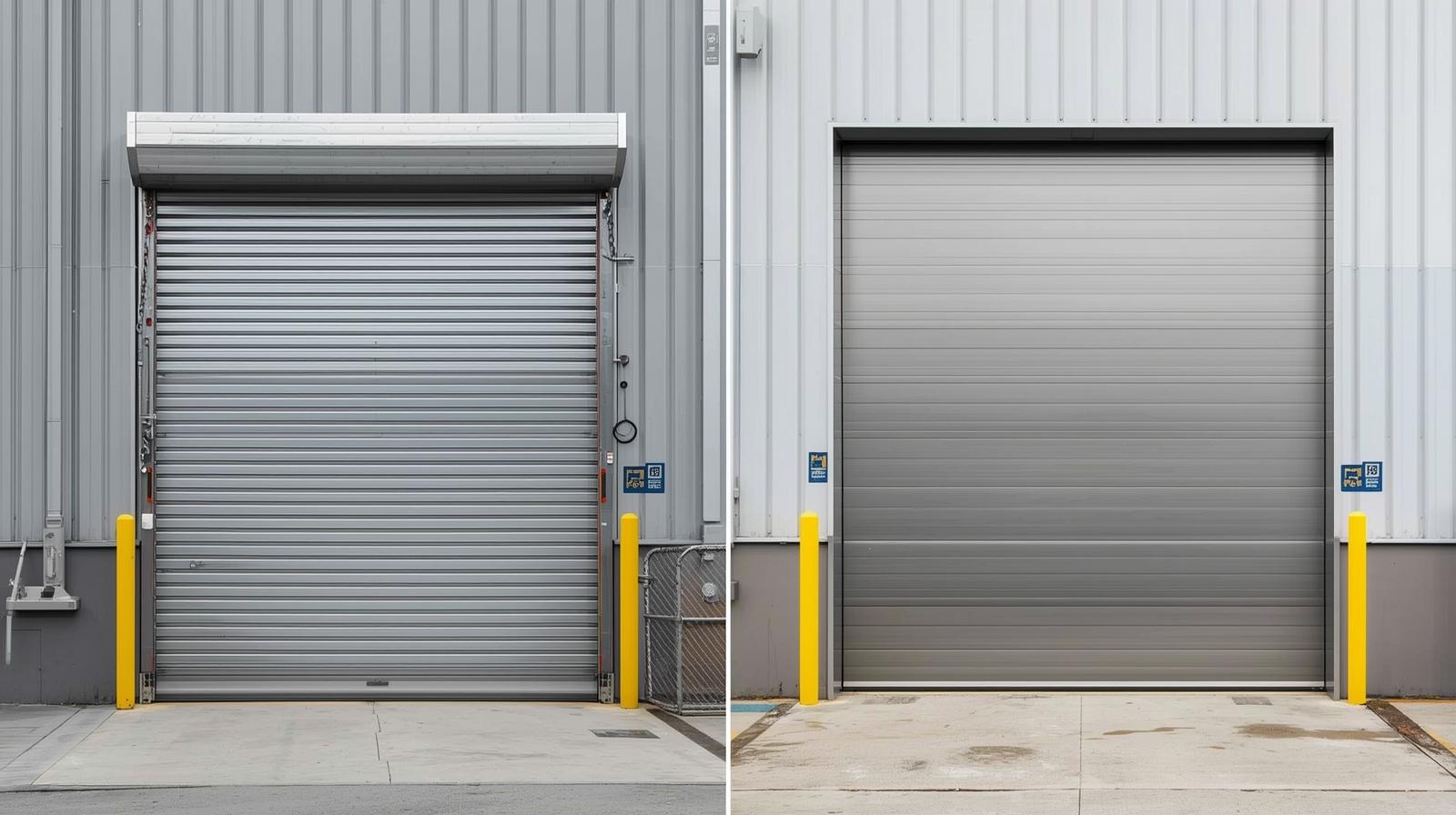
Commercial spaces breathe through their entrances, and a roller door sits at that threshold like a sentinel. Simple in form, but crucial in purpose. But many businesses face the question: Manual roller doors or automatic roller doors? This choice shapes workflow, influences security, and sculpts first impressions. It even impacts daily mood at a workplace.
This topic seems basic at first glance, but it never truly is. Behind the steel curtain sits a world of mechanics. Each option carries strengths, weaknesses, quirks, and costs. So, a business must choose wisely.
Let’s see if you need manual or automatic commercial roller doors in Melbourne.
What Defines a Manual Commercial Roller Door?
A manual roller door functions through physical effort. You pull and push with gravity and basic tension assisting the movement. Some versions use a chain hoist system, while others rely on raw human strength. No electricity, electronic panels, or buttons—Just straightforward opening and closing.
Manual roller doors appeal to people who appreciate simplicity. A warehouse worker can operate one without training. The setup feels predictable.
This practicality attracts small business owners. Many storage units and small factories still run on manual setups. Cafés with back loading zones see them as cost friendly. The door requires fewer components, and even installation takes less time.
What Makes an Automatic Commercial Roller Door Different?
An automatic roller door moves through powered technology. A motor lifts the door, and a button activates the mechanism. Some systems respond to remotes, while others respond to motion sensors. Higher-grade models link to access control, security alarms, or smart automation apps.
Modern industries adore automation, as one button removes physical effort. One press: Door rises. Another press: Door falls. Staff save energy, workflows accelerate, and trucks no longer wait.
Automatic roller doors also feel luxurious. Due to this, the building itself feels modern. So, businesses that value image often gravitate toward automation. But this delivers more than convenience. They elevate security.
- A locked motor resists forced lifting.
- Smart systems monitor entry logs.
- Sensors prevent crushing accidents.
- Fire-rated models connect to emergency triggers.
In many sites, automation becomes a safety companion.
Digging into Manual Roller Door Advantages
Manual roller doors charm with affordability. An entry-level unit fits tight budgets. Maintenance costs remain minimal, as there’s no motor to replace or circuitry to diagnose. A can of lubricant keeps the track alive for years.
A manual door also whispers reliability. Electricity outage does not halt operations. Storms may hit and the power grid may collapse, but the door still opens. Workers keep moving, and deliveries still pass. Many businesses treasure this independence.
Manual doors also shine in low-traffic zones. A door that opens twice per week does not require a motor. Installing automation in such settings becomes excessive. A simple manual panel works perfectly.
Manual Door Limitations Exist Too
Manual doors are taxing for the body. Lifting becomes strenuous with large units. The heavier the door, the harder the haul. Employees with injuries struggle, and older workers feel the strain more.
Large facilities face time loss. Imagine twenty openings per hour. Manual lifting steals minutes, and productivity shrinks without notice.
Security vulnerability surfaces in some cases. A determined intruder might exploit manual resistance. Without motor locking, forced entry becomes feasible. Businesses in high-crime zones rarely risk this.
Manual doors lack elegance. Functional, yes, but stylish, rarely. A visitor may see a basic steel sheet—No automation or sleek finish. Sometimes, aesthetics matter.
Automatic Roller Door Strengths That Stand Out
Automatic doors elevate workflow. A forklift driver taps a remote without leaving the vehicle, and the door lifts instantly. As a result, traffic flows like water and productivity flourishes.
Safety technology reinforces value. Sensors detect movement beneath the door, and automatic reversal prevents crushing. This reduces workplace injuries, so insurance claims also shrink.
Automatic systems amplify security. Motorised locking increases resistance, remote monitoring adds oversight, and smart access logs track every opening. In the end, digital proof discourages misconduct.
Automatic doors also radiate professionalism. Sleek panels, smooth movement, and quiet operation. Clients perceive this sophistication.
Longevity improves when used correctly. Motors handle repetitive opening better than fatigued muscles, and consistent operation preserves structural alignment. Wear distributes evenly. The door ages gracefully.
Automatic Doors Carry Drawbacks as Well
Automated systems cost more upfront. Motor units increase in price. Professional installation increases cost again. Sensors, safety features, remotes, keypads, digital integration—Every upgrade adds digits to invoices.
Maintenance also demands attention. Motors fail, remotes break, and control units malfunction. And skilled technicians are not cheap.
Power dependency causes issues. Electricity failure freezes operation without manual override. This can break the workflow, causing productivity to drop.
Complexity brings vulnerability. Dust clogs sensors, moisture corrodes wiring, and neglected systems behave unpredictably. All in all, poor care results in expensive downtime.
So Which Door Suits Which Business?
Business type matters.
A warehouse with constant movement thrives with automation, while a small workshop might not need such advanced technology. Retail storefronts benefit from appearance, so automatic systems may do great for them. Similarly:
- Cold storage facilities need insulation that automatic insulated doors deliver.
- Manufacturing sites often choose automatic for safety reasons.
- Security-focused businesses find value in smart automation.
- Remote farm sheds lean towards manual, as technology serves poorly in isolations without constant power.
Final Thoughts
A commercial roller door speaks for a business before staff do. It stands as barrier, pathway, protector, and silent worker. Manual or automatic? The answer never sits universal. Context shapes and needs guide your answer.
If you have more questions, you can contact the team at Complete Opening System.