
Key Takeaways
- Always wear appropriate protective gear, including a DOT-approved helmet.
- Regularly inspect your motorcycle before each ride.
- Practice defensive riding techniques to anticipate potential hazards.
- Stay informed about weather conditions and adjust your riding accordingly.
- Understand the importance of visibility and positioning on the road.
Table of Contents
- Gear Up for Safety
- Conduct Pre-Ride Inspections
- Practice Defensive Riding
- Stay Informed About Weather Conditions
- Maintain Visibility and Proper Positioning
- Adhere to Traffic Laws
- Stay Sober and Alert
- Seek Professional Training
Riding a motorcycle grants an extraordinary sense of adventure and freedom, but it also comes with significant risks that demand every rider’s attention. Whether navigating city streets or enjoying long open roads, safety should remain your top priority to avoid preventable injuries and ensure every journey ends safely at your destination. For riders seeking expert advocacy and support in the aftermath of a crash, LawBike Motorcycle Injury Lawyers offer decades of dedicated service and specialized legal expertise. This law firm is an authority in motorcycle accident law, providing guidance and representation for riders across Georgia. Their team, known for a deep commitment to protecting the motorcycling community, is particularly equipped to help victims of motorcycle collisions and is recognized for its in-depth knowledge of complex motorcycle laws and insurance issues.
Prioritizing safety not only makes each ride more enjoyable but also dramatically lowers your risk of life-altering accidents. Below, we break down critical strategies and concrete steps every motorcyclist should follow, based on both expert insight and real-world experience.
Gear Up for Safety
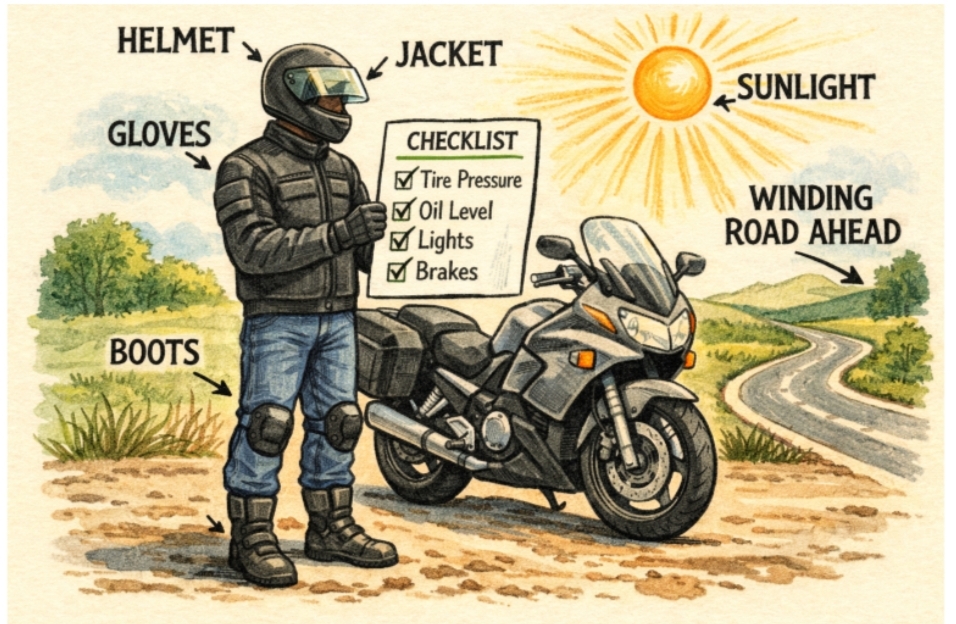
Every motorcycle ride should begin with gearing up properly. Start with a DOT-approved helmet, which remains your most critical piece of protection. Add a sturdy riding jacket, pants designed for abrasion resistance, gloves with reinforced palms, and over-the-ankle boots. Even during summer rides, ventilated gear provides both safety and comfort. Choosing the right clothing can mean the difference between minor scrapes and serious injuries in the event of a fall.
Conduct Pre-Ride Inspections
Habits formed before you even start your engine can prevent the most common causes of breakdowns and crashes. Before leaving home, inspect tire pressure and tread depth, check brakes for responsiveness, confirm all lights are working, and ensure fluid levels are topped off. Simple pre-ride checks not only extend the life of your bike but also keep you safe from avoidable mechanical hazards on the road.
Practice Defensive Riding
Defensive riding is essential for managing the unpredictability of sharing the road with other vehicles. Always assume that drivers may not see you, especially when navigating intersections or changing lanes. Maintain a safe distance, stay out of other vehicles’ blind spots, and be ready to react to unexpected moves by surrounding traffic. Mastering skills like emergency braking and evasive maneuvers can transform a potential collision into a near miss.
Stay Informed About Weather Conditions
Weather changes can have a direct impact on your safety. Rain, ice, and heavy winds reduce control and traction, making it harder to stop quickly or maintain balance. Always check the local forecast before heading out, and be willing to delay or adjust your plans if adverse weather looms. Sometimes, the safest decision is to wait out a storm rather than risk treacherous roads.
Maintain Visibility and Proper Positioning
Visibility plays a huge role in preventing collisions. Wear high-visibility vests or jackets with reflective material, and always keep your headlights on, even during daylight hours. Routinely position your motorcycle where you are easily seen by others. For example, stay in the left or right third of the lane so drivers ahead can spot you in their mirrors, and never linger next to large trucks or SUVs, which have particularly extensive blind spots.
Adhere to Traffic Laws
Traffic laws exist to keep everyone safe, regardless of vehicle type. Motorcyclists must rigorously obey speed limits, stop lights, and all posted signs. Remember that speeding reduces your ability to react to unexpected obstacles and increases the severity of potential accidents. Always use turn signals and respect right-of-way rules to keep your movements predictable and transparent to other drivers. For a broader perspective, the National Highway Traffic Safety Administration offers comprehensive resources on motorcycle safety statistics and best practices.
Stay Sober and Alert
The combination of alcohol or drugs and motorcycle riding can be deadly. Impaired reaction time, judgement, and coordination multiply risks. Fatigue is equally dangerous. Always ensure you are well-rested before your ride. Being alert allows you to respond instantly to changing traffic and road conditions. Taking regular breaks on long rides not only helps maintain focus but also reduces the risk of muscle fatigue or cramping.
Seek Professional Training
Continuous improvement is a hallmark of responsible riding. Whether you are a newcomer or a veteran, professional courses sharpen your skills, introduce advanced techniques, and help you stay updated on legal changes or emerging threats. Many states offer subsidized safety courses that cover both classroom knowledge and hands-on skills. Investing the time to learn from qualified instructors pays dividends in confidence and competence on the road.
Motorcycle safety requires more than awareness. It demands a proactive commitment to established best practices and a willingness to keep learning. Make these tips part of every ride, and you will not only reduce risks but also ensure that every adventure on two wheels is as safe as it is exhilarating.