Proper wound care is fundamental for preventing infection and supporting healthy healing. Knowing how to clean, protect, and monitor a wound can significantly reduce complications and promote recovery. Understanding these basic steps helps patients take an active role in their own care and recognize when professional attention is needed. Here is more information on how to properly care for wounds to avoid infection:
Cleaning the Wound
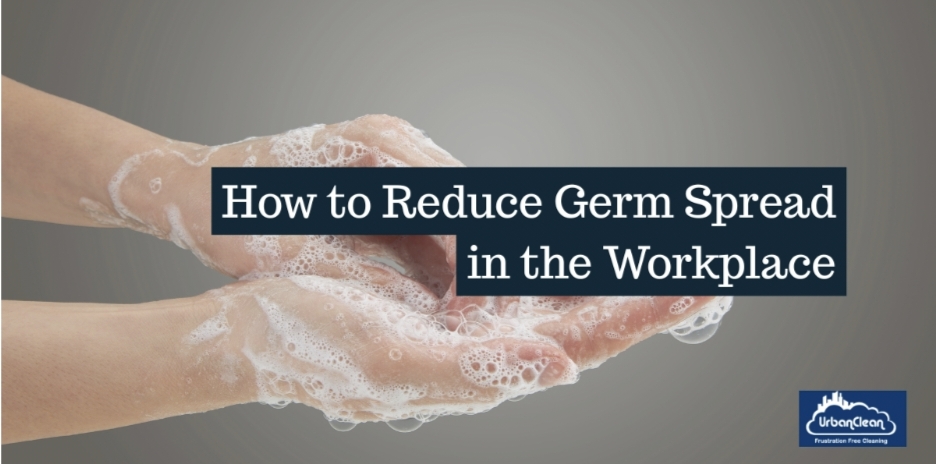
The most fundamental step in wound care is preventing infection. This involves a thorough cleaning of the wound immediately after injury. Wash your hands with warm water and soap before touching the injury. If you cannot access soap and water, use an alcohol-based hand sanitizer to clean your hands effectively.
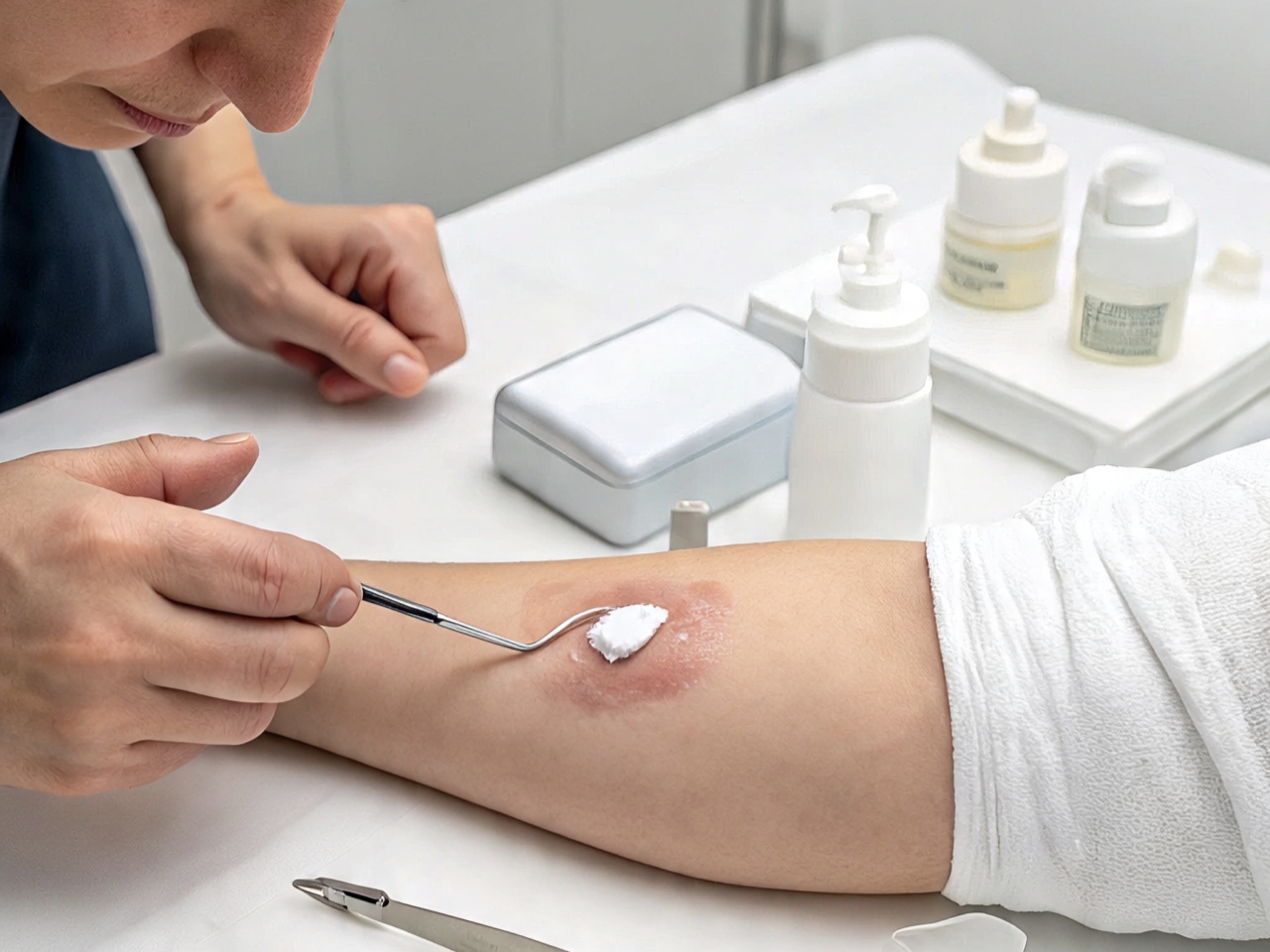
Once your hands are clean, rinse the wound gently with cool water or sterile saline. Run the water over the area for several minutes to flush out any dirt, grit, or debris. If the wound is deep or contains debris that water cannot dislodge, use sterile tweezers to lift the particles carefully. You should stop any bleeding by applying direct pressure with a clean cloth or bandage before you finish cleaning. Gently pat the area dry with a clean towel or sterile gauze once the wound is free of debris.
Protecting the Wound
Leaving a wound open to the air is a common misconception in wound care that can delay recovery. A covered wound heals more efficiently because it stays moist, and new skin cells grow better in a damp environment. Here are ways to protect the wound:
- Apply a thin layer of antibiotic ointment or petroleum jelly to the clean wound to prevent the dressing from sticking.
- Select a sterile bandage or gauze pad slightly larger than the wound to cover the area completely.
- Secure the dressing with medical tape or a wrap, but make sure that circulation is not compromised by wrapping it too tightly.
- Change the dressing at least once daily, or sooner if it becomes wet, soiled, or soaked with fluid.
- Inspect the skin around the dressing for signs of irritation or allergic reaction to the adhesive material.
This protective layer acts as a temporary barrier against bacteria while your skin repairs itself.
Watching for Infection
You must monitor the wound site daily for changes that suggest the healing process has stalled. It is normal for the area to look pink and feel slightly tender for the first few days. Spreading redness that moves away from the wound edge is a warning sign. You may notice that the area looks puffy or shiny, and the pain may increase rather than decrease over time. Pay attention to any discharge coming from the wound, especially if it is yellow, green, or has a foul odor. Patients with diabetes or vascular disease should contemplate seeking help early.
Helping the Wound Heal
Recovering from an injury involves more than just external wound management; your internal health also plays a major role. Here are healthy lifestyle habits to contemplate incorporating:
- Consume a balanced diet rich in protein, Vitamin C, and zinc to provide the building blocks for new skin cells.
- Stay hydrated by drinking plenty of water.
- Avoid smoking and using tobacco products, as nicotine constricts blood vessels and limits oxygen flow to the tissue.
- Manage blood sugar levels carefully if you have diabetes.
- Keep the wounded area elevated above heart level when possible.
These habits support the circulatory system, and they make sure your body functions at its best during recovery.
Book Your Wound Care Appointment
Proper wound care involves a routine of cleaning, protection, and careful monitoring to prevent infection. Chronic non-healing ulcers caused by conditions like peripheral arterial disease or venous insufficiency require advanced treatment. If you have a sore that has not started to heal within two weeks, contact a wound management specialist near you to book your appointment today.