There are tools and components that everyone notices. The big machines. The shiny finishes. The heavy structural elements look impressive in photos and site walk-throughs. And then there are the quiet fixers. The parts no one talks about, but without which nothing really works. This is where Self-Tapping Screws live.
They sit in toolboxes, hardware drawers, and bulk boxes on job sites. They do not get showcased. They rarely get discussed in meetings. Yet they are involved in a large share of what actually gets built, repaired, fitted, retrofitted, and adjusted across construction, manufacturing, maintenance, and fitout work.
And the more time you spend around real projects, the more obvious their influence becomes.
Why Small Fasteners Carry Oversized Responsibility
On-site, speed matters. So does accuracy. So does reliability. Trades do not have the luxury of treating fasteners as an afterthought. A fixing that slips, strips, corrodes, or fails quietly creates rework. Delays. Safety concerns. Frustration.
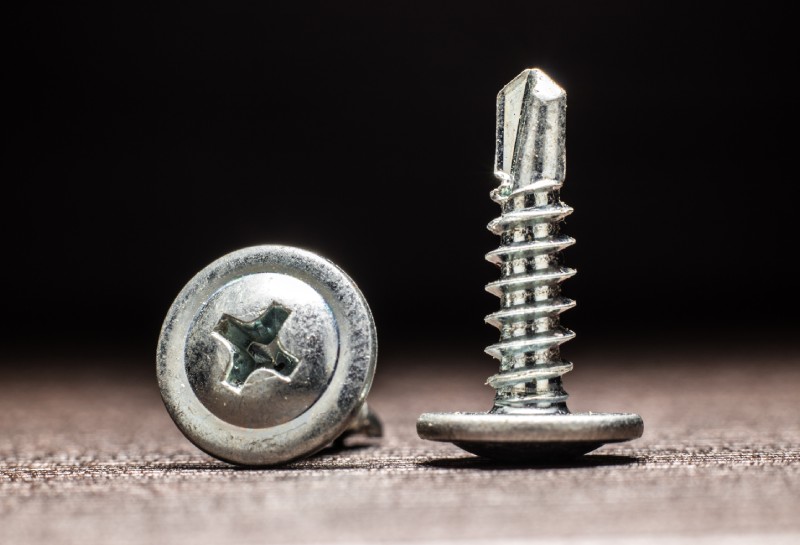
This is why Self Tapping Screws have become such a constant presence across industries. Their ability to cut their own thread into metal, plastic, or composite materials reduces the number of steps. Fewer tools. Less pre-drilling in many applications. Faster installation. Consistent hold.
But beyond efficiency, they carry trust. When a technician automatically reaches for a specific fastener, that choice is usually shaped by experience. What held. What didn’t? What backed out? What survived vibration, weather, load, or repeated use?
That trust is not accidental. It is earned quietly, over thousands of small jobs.
What Most People Misunderstand About Self-Tapping Technology
There is a common assumption that Self Tapping Screws are all basically the same. Sharp tip. Twist in. Job done. In reality, they are a category, not a single product.
Thread design varies. Tip geometry varies. Coatings vary. Head styles vary. Each adjustment changes how the screw behaves in different substrates. Thin steel behaves differently from aluminium. Plastic reacts differently from fibre cement. External environments demand corrosion resistance. Internal environments may prioritise a clean finish or reusability.
Professionals who work with fasteners daily learn these nuances quickly. They know which threads bite cleanly. Which tips wander? Which coatings resist site abuse? Which heads came out under torque?
This is where quality suppliers and fastener services become more than vendors. They become technical partners.
The Role Of Fasteners In Modern Lightweight Construction
Modern building and fabrication methods rely heavily on lightweight systems. Steel framing. Modular assemblies. Pre-engineered components. Panels that are designed to be installed, removed, adjusted, and sometimes reused.
In these environments, Self Tapping Screws are not just connectors. They are system enablers.
They support prefabrication workflows. They allow on-site flexibility. They reduce dependence on heavy welding in certain applications. They support quick modifications without compromising strength.
From commercial fitouts to manufacturing enclosures, the ability to fix directly into base material without extensive preparation saves both time and structural integrity. That matters more than many people realise.
Where Failures Usually Come From
When fixings fail, it is rarely dramatic. More often, it is gradual. A panel starts vibrating. A fitting loosens. A door begins rattling. A bracket shifts under load.
In many of these cases, the issue is not that Self Tapping Screws were used. It is that the wrong ones were used. Incorrect thread type. Inadequate coating. Over-driving. Under-sizing. Mismatch between screw and substrate.
This is where technical guidance matters. Experienced fastener providers do more than ship boxes. They ask questions. Application. Environment. Load. Access. Longevity expectations.
That early guidance prevents late-stage problems. Which saves far more than it costs.
The Hidden Labour Saved By The Right Choice
It is easy to measure the cost of a box of fasteners. It is harder to measure the labour saved by not having to fix mistakes.
The right Self Tapping Screws reduce tool changes. Reduce preparation steps. Reduce installation time. Reduce call-backs. Reduce warranty issues. Reduce site frustration.
Multiply those small reductions across hundreds or thousands of fixings and the impact becomes significant. Faster project completion. More predictable timelines. Cleaner finishes. Fewer site interruptions.
This is why procurement teams and project managers increasingly involve fastener specialists earlier. Because the smallest components often create the largest ripple effects.
How Trades Actually Experience Good Fasteners
Good fasteners do not draw attention to themselves. They drive smoothly. They seat properly. They hold without drama. They come back out cleanly when required. They do not snap. They do not rust prematurely. They do not chew out heads or strip material.
When Self Tapping Screws are doing their job well, trades rarely talk about them. They simply keep reaching for the same boxes.
That quiet loyalty is built on reliability. And reliability, in construction and manufacturing environments, is a form of respect.
It respects time.
It respects effort.
It respects the fact that most professionals just want things to work.
The Supply Side That Most People Never See
Behind every box of fasteners on site sits a supply chain. Manufacturing standards. Quality control. Material sourcing. Coating processes. Packaging. Logistics.
Reputable suppliers of Self Tapping Screws invest heavily here. They test batches. They verify tolerances. They track performance. They respond to field feedback.
They understand that a minor dimensional variation can affect thousands of installations. A coating failure can expose entire projects to corrosion risk. That inconsistent threading can destroy trust quickly.
This is why service-driven fastener companies position themselves less as sellers and more as solution providers. Their reputation lives on job sites, not in catalogues.
Why Custom And Project-Specific Solutions Are Growing
Not every project fits a standard catalogue. Custom enclosures. Specialised equipment. Unique architectural elements. Retrofitting old structures with new systems.
In these spaces, Self Tapping Screws often need to be specified, modified, or sourced with particular constraints in mind. Length. Head profile. Coating. Drive type. Thread pitch.
Suppliers who support this level of detail bring real value. They collaborate with engineers. They work with fabricators. They test prototypes. They solve problems before installation begins.
This is where fasteners stop being commodities and start becoming engineered components.
The Sustainability Angle Rarely Discussed
Sustainability conversations often focus on large materials. Steel. Concrete. Timber. Yet fasteners play a role, too.
Longer-lasting Self Tapping Screws reduce replacement cycles. Corrosion-resistant coatings reduce premature failure. Removable fixings support modular construction and reuse. Efficient installation reduces waste and site energy use.
Even packaging, logistics optimisation, and local supply models influence environmental impact.
Forward-thinking fastener services increasingly engage with these considerations, not because they are fashionable, but because clients are asking for them. Longevity and sustainability now sit alongside strength and speed.
What People Usually Realise After A Few Projects
After a few serious builds, most teams come to a similar conclusion.
Fasteners are not minor. They are foundational.
The difference between a smooth installation and a frustrating one often lies in the smallest components. The difference between a clean handover and a call-back often comes down to the quality of what no one sees.
This is why experienced professionals treat Self-Tapping Screws with the same seriousness they give to larger systems. They choose suppliers carefully. They test products. They build long-term relationships.
Because once trust is built at that level, everything else tends to run better.
The Quiet Advantage Of Getting The Small Things Right
Projects succeed through accumulation. Thousands of small decisions. Thousands of small actions. Thousands of components are doing what they are supposed to do.
When Self Tapping Screws from Concept Fasteners are properly selected, supplied, and supported, they disappear into that flow. They stop demanding attention. They simply work.
And that, in construction, manufacturing, and fitout environments, is one of the highest compliments a product can receive.
They held.
They stayed.
They did not become a problem.
Which means everyone else could focus on what they were actually there to build.