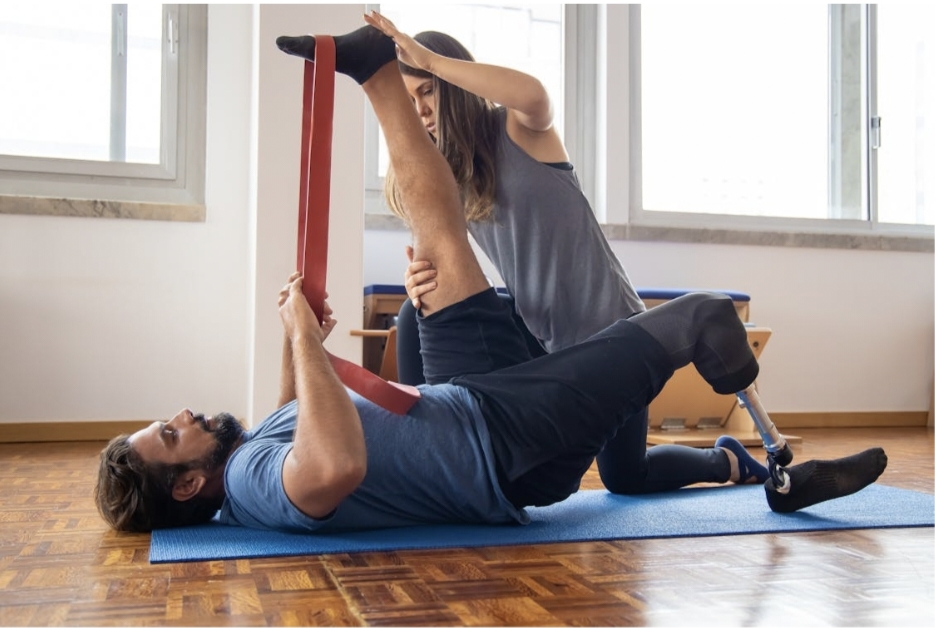
Are you eager to bounce back after an injury or surgery as quickly as possible?
The best physical therapy equipment can be the difference between a frustratingly slow recovery… and making progress like never before. Here’s what you should know…
A strong rehab program is essential to recovery. But the right physical therapy equipment makes it possible to hit recovery goals much faster than you ever thought possible.
Thankfully, physical therapy equipment has never been more advanced or accessible.
In fact, you can find a great rehab tool for just about every common recovery need. Recumbent cross trainers to resistance bands… we’ve got it.
Let’s take a look.
What You’ll Learn
- Why Physical Therapy Equipment Matters For Recovery
- The Most Effective Types of Rehab Equipment
- How To Choose The Right Equipment For Your Needs
- Making The Most of Your Recovery Journey
Why Physical Therapy Equipment Matters For Recovery
Physical therapy equipment matters for recovery because it helps restore strength, mobility, and function after injury or surgery.
Think of it this way…
When a patient recovers from a knee replacement or stroke, the body needs controlled movement to rebuild. That’s what makes recumbent cross trainers sales have skyrocketed over the past several years. These machines provide a low-impact full body workout that’s easy on healing joints. An accessible upper body ergometer is the perfect entry point for patients who need to regain upper body strength without strain.
And these aren’t just guesses. Per MedRisk, there are approximately 300 million physical therapy sessions each year in the United States alone. That’s a lot of recovery.
The question is, why is equipment so important to this process?
- Controlled, repeatable movements. Physical therapy equipment ensures that patients do exercises correctly and safely. This limits risk of re-injury, and maximizes therapeutic effect.
- Ability to track progress. Modern equipment often includes tools to measure improvements in strength, range of motion, and endurance over time.
- Independence. Patients can often perform exercises with the right equipment outside of therapy sessions at home. This speeds up recovery timelines.
The Most Effective Types of Rehab Equipment
Not all physical therapy equipment is created equal. Different tools serve different purposes when it comes to recovery. Here are the types of equipment you need to know about…
Cardiovascular Rehabilitation Equipment
- Recumbent cross trainers
- Stationary bikes
- Upper body ergometers
- Treadmills with handrails
This category includes cardio machines that build endurance while protecting healing joints. The recumbent cross trainer design in particular is valuable because of how much it supports the back. This limits impact to knees and hips as well.
Strength Training Tools
- Resistance bands
- Cable machines
- Free weights
- Pulley systems
Resistance-based tools help rebuild muscle that’s been weakened due to injury or illness. It’s crucial to start light and gradually build here. Jumping into heavy resistance too soon can set back recovery weeks or months.
Balance and Coordination Equipment
- Balance boards
- Stability balls
- Parallel bars
Falls during recovery are a big concern, particularly for seniors. Balance equipment can help retrain the body’s proprioceptive system.
The CDC reports 42% of Americans have multiple chronic conditions. A large portion of those conditions impact balance and coordination, which is why this equipment is so important.
Mobility Aids
- Walkers
- Canes
- Crutches
Mobility aids allow patients to move safely while injured or healing. These are often used as a bridge between being bedridden and walking independently.
Electrotherapy Devices
- TENS units
- Muscle stimulators
Electrotherapy machines reduce pain, inflammation, and promote muscle activation via electrical stimulation. These are used in both clinical and home environments often.
Incredibly effective when used properly.
The Growing Demand For Recovery Equipment
The rehab equipment market is booming.
Why?
People are prioritizing recovery and preventative care more than ever before. Hospitals, clinics, and home users are all buying better equipment to drive better outcomes.
The result?
More choices, better tech, and more accessible price points for patients at all stages of recovery. Competition breeds innovation… and that innovation helps patients every single day.
How To Choose The Right Equipment For Your Needs
Picking the right physical therapy equipment requires a few considerations. Here’s what matters most…
Your specific injury or condition. A shoulder injury is different than a hip replacement. Your physical therapist can help you identify which tools will target your recovery needs the most effectively.
Your current fitness level. It’s important to start with equipment that meets your current abilities to avoid injury or frustration. Progression is key, but it needs to happen in a safe manner.
Available space. Some equipment needs a lot of room. Others fold away compactly. Take into account your living situation or facility setup before investing.
Budget considerations. There’s a big range in price points for rehabilitation equipment. That can range from affordable resistance bands to high end motorized machines. Prioritize the tools that will have the biggest impact for your specific recovery first.
The best way to go about this? Consult a rehab professional who can assess your needs and point you in the right direction.
Making The Most of Your Recovery Journey
Having great equipment is only half the battle. Using it correctly and consistently is what actually delivers results.
Here are a few tips to help you get the most from your recovery:
- Follow your therapist’s guidance. They know the right exercises to focus on, and when to increase intensity.
- Stay consistent. Regular, shorter sessions often trump once a week long workouts.
- Track your progress. Documenting improvements gives you motivation to power through the tough days.
- Listen to your body. If it hurts, stop. Pain is a signal that something isn’t right.
Recovery takes time. There’s no shortcut to the finish line.
But with the right equipment and approach, you can shrink that timeline significantly.
Wrapping It Up
Physical therapy equipment is critical for faster, safer recovery from injuries, surgeries, and chronic conditions. The right physical therapy equipment provides:
- Controlled, safe movement patterns
- Ability to track and measure progress over time
- Empowerment for an independent recovery journey
- Targeted assistance for specific rehab needs
From cardio machines like recumbent cross trainers to simple tools like resistance bands, there’s a rehabilitation device that serves a purpose for each stage of recovery.
The key is selecting equipment that matches your individual needs, and using it consistently under the guidance of a rehabilitation professional. Recovery is hard work… but having the right equipment can make that work truly count.
Research your options. Consult with rehab experts and invest in equipment that will set you up for long term recovery success. The time and money you spend now lead to greater mobility, less pain, and an overall improved quality of life down the road.