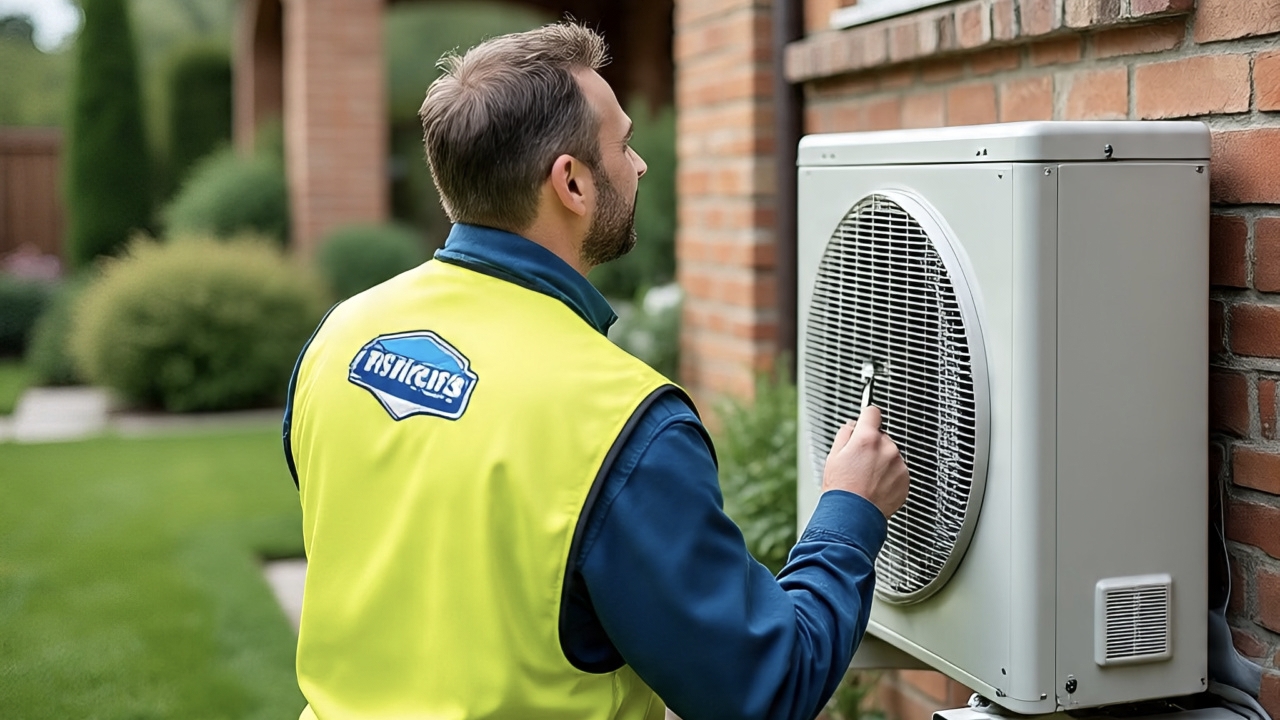
Having the right workshop equipment is crucial for enhancing both the efficiency and safety of any workspace. Whether you are setting up a new workshop or looking to upgrade your existing tools, understanding the essentials can significantly improve your operations.
Understanding the Importance of Workshop Equipment
Workshop equipment forms the backbone of any production or crafting environment. It not only facilitates the execution of tasks but also ensures that these tasks are performed safely and with precision. The choice of equipment directly affects productivity, operational efficiency, and the overall safety of the workspace.
Key Categories of Workshop Equipment
There are several categories of workshop equipment that one must consider. Each category plays a distinct role in ensuring a comprehensive and functional workshop setup.
Basic Tools
Basic tools are the foundation of any workshop. These include hand tools like hammers, screwdrivers, wrenches, and pliers. These tools are essential for carrying out day-to-day tasks and minor repairs.
Power Tools
Power tools are vital for handling more extensive and demanding tasks. Equipment such as drills, saws, and grinders fall under this category. They are essential for achieving greater precision and speed in various tasks.
Safety Equipment
The importance of safety equipment cannot be overstated. Proper safety gear, including gloves, goggles, and helmets, is essential for protecting workers from potential hazards. Safety equipment also includes features like first aid kits and fire extinguishers.
Factors to Consider When Choosing Workshop Equipment
Selecting the appropriate equipment involves considering several factors. These factors help ensure that the equipment meets the specific needs of your workspace.
Quality
Investing in high-quality equipment can ensure durability and reliability. High-quality tools might come with a higher initial cost but can save money in the long run by reducing replacement frequency.
Functionality
The functionality of equipment is crucial. Ensure that the tools are fit for the tasks you need to perform. Multifunctional tools can provide versatility and value for money.
Safety Features
Ensure that the equipment comes with built-in safety features. This might include protective guards, automatic shut-offs, and safety catches that can prevent accidents and injuries.
Investing in Technology
The integration of modern technology in workshop equipment can enhance efficiency and safety. Automated and smart tools can streamline operations and reduce human error.
Emerging Trends
Keeping abreast of emerging trends in workshop technology is beneficial. This includes the adoption of AI and IoT in equipment, which can lead to smarter and more efficient workflows.
Maintenance of Workshop Equipment
Regular maintenance of workshop equipment is crucial for ensuring longevity and safety. Implementing a maintenance schedule can help in identifying potential issues early and prolonging the life of tools.
Environmental Considerations
Incorporating sustainable practices in selecting and using equipment is increasingly important. Opting for energy-efficient tools can reduce energy consumption and environmental impact.
Recycling and Disposal
Proper recycling and disposal of old and damaged equipment can significantly contribute to environmental sustainability. Many manufacturers offer take-back programmes to ensure equipment is disposed of responsibly.
Conclusion
In conclusion, choosing the right workshop equipment involves a careful consideration of various factors including quality, functionality, safety, and environmental impact. By doing so, workshops can achieve higher efficiency and safety, fostering a productive and sustainable working environment.