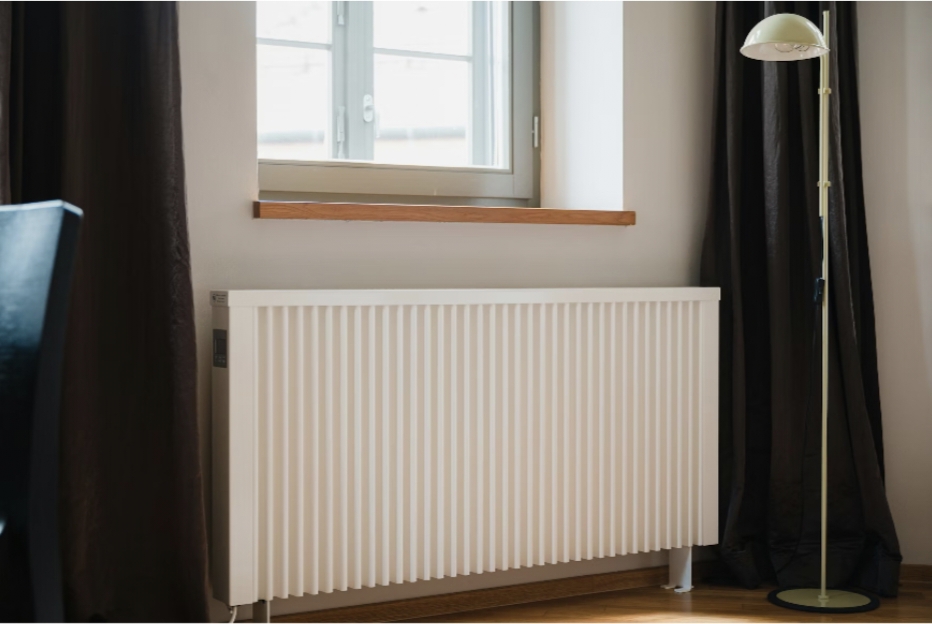
Making the decision to upgrade your radiators is one of the best improvements you can do for your home.
Escalating energy prices have pushed bills to all-time highs, with heating now accounting for a larger portion of the household budget than ever before. The good news is that new radiators can make a huge difference to both energy waste and warmth.
In this article, we look at the best ways to get the most out of an upgrade…
What’s Inside:
- Why Radiator Efficiency Matters More Than Ever
- The Best Radiator Types for Energy Saving
- Choosing the Right Radiator Size
- Simple Upgrades That Will Slash Your Heating Bill
- Radiator Maintenance Tips to Keep Things Running Smoothly
Why Radiator Efficiency Matters More Than Ever
Rising energy costs have pushed average dual fuel bills up to around £1,755 per year in the UK by late 2025.
Compare that with just a few years prior, and the increase is huge. It’s no surprise then that heating has become the priority for home improvement when it comes to cutting bills and boosting comfort.
Radiators that are old and inefficient waste energy and water. Heating takes longer, homes have cold spots, and boilers work harder than they need to.
One result is a bigger bill and less comfort. Modern radiator sales and services have been rapidly evolving to meet this problem.
Radiators now focus on energy efficiency more than ever before. Installers like Trade Radiators specialise in providing everything you need to maximise heat output without wasting energy.
Home improvement benefits extend beyond cheaper bills. Efficient radiators offer more consistent heat in rooms, reduce cold spots, and can add value to properties.
The Best Radiator Types for Energy Savings
Radiators aren’t all created equal. Efficiency is about more than the make or model of radiator you choose, it’s also about the material used.
Metals conduct heat at different rates, and this has a direct effect on how quickly a room warms up and how much energy gets used in the process.
Aluminium Radiators
Aluminium tops the list when it comes to efficiency. Radiators made from this metal have one of the fastest warm-up times because of aluminium’s ability to conduct heat so well.
In fact, HomeServe has revealed aluminium radiators are up to 15% more energy efficient than their cast iron and steel counterparts.
They’re also lighter and use less water, which means boilers have less work to do when they’re on.
Impressive, right?
It doesn’t end there either. Aluminium radiators are recyclable at end of life, making them an eco-friendly option.
Steel Panel Radiators
Steel radiators are also popular and for good reason. These are a cheaper and more widely available option for many homes.
Steel panel radiators have improved in recent years. Now available with convector fins that increase heat output without taking up more space.
Column Radiators
Column radiators provide a traditional look and feel without skimping on the performance. The design gives improved heat distribution thanks to more surface area.
Columns are also effective in period properties where design matters as much as performance.
How to Choose the Right Radiator Size
Size is important when considering radiator efficiency. The wrong sized radiator won’t heat a room effectively and end up consuming more energy in the process.
The problem is, too big isn’t better either. Oversized radiators pump out more heat than a room needs and can make areas feel stuffy.
The trick is matching radiator output to the needs of the room. Here are a few radiator size tips:
- Measure room dimensions including length, width and height
- Factor in window sizes, single glazing loses more heat than double
- Think about external walls, these lose heat faster than internal walls
- Older properties tend to have lower insulation levels than modern builds
Radiator output is expressed in either BTUs or kilowatts. Online tools and calculators can help you to work out the requirements of any given room.
Getting this calculation right will make all the difference. It means you get the most comfort without any energy waste.
Simple Upgrades That Will Slash Your Heating Bill
Little changes can make a big difference.
Not every radiator upgrade requires a complete swap-out of your existing radiators. Strategic additions and upgrades can significantly boost the performance of an existing system.
Thermostatic Radiator Valves (TRVs)
Why heat an empty room to the same temperature as one that’s in use? TRVs allow each radiator in a home to be individually temperature controlled.
Automatic valves regulate the flow of hot water into radiators based on room temperature. They’re an inexpensive addition to a heating system that can really make a difference to bills.
Radiator Reflector Panels
As much as a quarter of heat loss in UK homes is wasted through poorly insulated gaps and surfaces.
Radiators fitted to external walls are a huge problem as they essentially pump heat straight through to the outside. Reflector panels fit behind radiators and reflect heat back into the room.
They’re a few pounds each but can prevent significant heat loss.
Smart Heating Controls
Smart thermostats and heating programmers are the final piece in the efficiency jigsaw. Learning household activity patterns, these devices automatically adjust your heating.
Forget to switch off before you leave the house in the morning? Smart controllers learn and compensate.
The efficiency savings from these devices are often huge.
Maintenance Tips to Keep Radiators Running Smoothly
The best radiators need regular care.
Over time, neglected radiators start to lose efficiency. Air pockets develop, sludge builds up, and they can’t output as much heat.
Maintenance is simple and prevents all of these problems.
Bleed Radiators Regularly
Air trapped in radiators stops hot water from completely filling them. The top of a radiator being cold while the bottom is hot is a sign of air that needs bleeding.
Doing this takes a few minutes and restores full heating performance. Bleed radiators at the start of each heating season to keep them in tip top condition.
Balance the System
Radiators closest to the boiler are often hotter than ones further away from it. Balancing involves adjusting flow rates until each radiator gets the same amount of heat.
This means you won’t have some rooms overheating while others struggle to warm up.
Annual System Flush
Over time heating systems get clogged up with sludge and debris. This blocks pipes, reduces efficiency and can damage boilers.
A power flush professionally done on an annual basis clears out the sludge and debris and gets things running at full performance again.
Putting It All Together
Efficient radiator upgrades are a smart investment.
The combination of rising energy costs, better radiator technology and the availability of professional sales and services makes radiator upgrades more appealing and achievable than ever. Whether it’s high-efficiency aluminium radiators, simple additions like TRVs and reflector panels, or simply better maintenance, the savings can be significant.
To quickly recap:
- Aluminium radiators are up to 15% more efficient than traditional models
- Correct sizing prevents energy loss from undersized and oversized radiators
- Simple additions like TRVs and reflector panels can make a big difference to performance without breaking the bank
- Simple maintenance tasks keep existing radiators at peak efficiency
Start with one or two small changes and build from there. Every improvement gets you one step closer to a home that’s as comfortable as possible while keeping heating bills under control.
Time to start thinking about radiator upgrades? Before winter arrives is the best time.