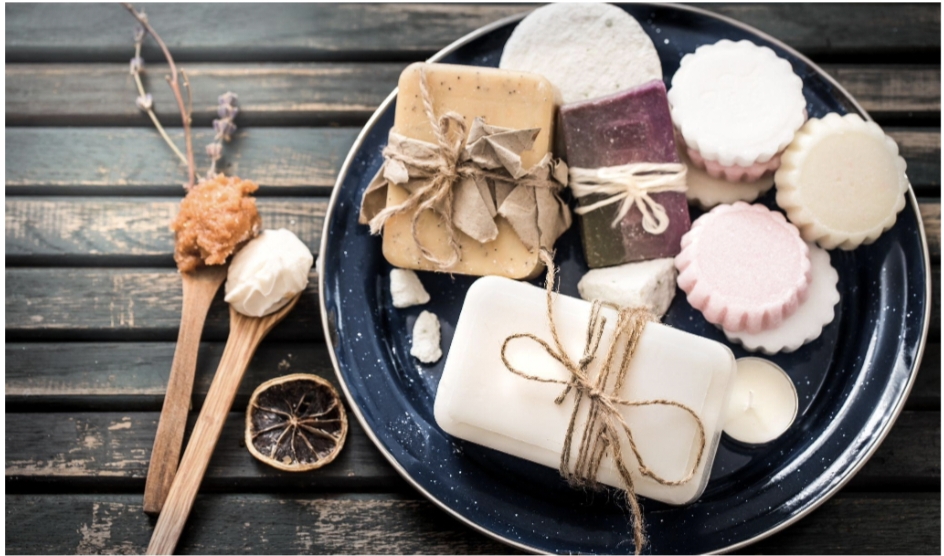
The resurgence of interest in handmade soap underscores a growing appreciation for natural, artisanal products. Handmade soap is not only an artistic expression but also a beneficial addition to skincare routines. Unlike mass-produced soaps, handmade counterparts are crafted with care, often using high-quality, natural ingredients suited for sensitive skin.
The Artistic Craft of Handmade Soap
Handmade soapmaking is a blend of art and science. Crafters meticulously select ingredients and employ techniques that ensure each bar is unique. The process involves saponification, where natural oils react with an alkali, resulting in soap. This method allows artisans to experiment with various essential oils, fragrances, and colourants to produce aesthetically pleasing and aromatic bars.
Natural Ingredients for Healthier Skin
One of the primary benefits of handmade soap is the use of natural ingredients. Many handmade soaps incorporate nourishing oils like olive, coconut, and almond, which are known for their moisturising and skin-softening properties. Essential oils not only add fragrance but also offer therapeutic benefits, such as lavender for relaxation or tea tree for its antibacterial properties.
A Sustainable Choice
Using handmade soap is often a more sustainable option. Artisans typically source ingredients responsibly and use eco-friendly packaging. Many handmade soap producers are committed to sustainable practices, thus reducing environmental impact when compared to commercial soap production processes.
Customisation and Variety
Another advantage of handmade soap is its customisability. Consumers can find a wide variety of products tailored to specific needs, such as exfoliation, hydration, or scent preference. Some crafters even offer bespoke services to create personalised soaps that cater to individual skin types and preferences.
Handmade Soap and Skin Sensitivity
Individuals with sensitive or allergy-prone skin often benefit from using handmade soap. With fewer synthetic additives and chemicals, these soaps are gentler on the skin. This makes them an excellent choice for those who experience irritation from regular soap products.
The Economic Impact of Buying Handmade
By purchasing handmade soap, consumers support small businesses and local artisans. This economic model helps to keep traditional crafts alive and enables artisans to continue their creative pursuits. Additionally, it fosters a community culture around local markets and craft fairs.
Understanding the Process
The soap-making process also allows for transparency. Artisans often share their ingredient lists and methods, which helps consumers make informed choices about the products they use on their skin. This transparency breeds trust and ensures that what you see is what you get.
Longevity and Preservation
Handmade soap is known for its longevity. When stored correctly, it can last a considerable amount of time without losing its quality. Proper drying and storage allow the soap to remain hard, last longer, and maintain its effectiveness over time.
The Role of Glycerin
Handmade soaps naturally retain glycerin, a by-product of the saponification process that acts as a humectant, drawing moisture to the skin. This makes handmade soap exceptionally moisturising and beneficial for maintaining skin hydration throughout the day.
Conclusion: An Artisan Choice
In conclusion, the choice to use handmade soap offers a multitude of benefits for both the skin and the environment. It is an artisan product that provides a more personalised approach to skin care, making it a superior alternative to commercially produced soaps. Handmade soaps stand out for their unique blend of art, science, and sustainability, making them a worthwhile addition to any skincare routine.