Planning your wedding menu around the current season helps connect your food selections to the timing and setting of your celebration. Each season provides specific ingredients and preparation styles that define the menu structure. Catering teams use seasonal availability to coordinate dish selection and service methods. Whether you are planning a winter or summer celebration, here are a few tips on crafting a seasonal menu for your wedding:
Customize the Wedding Menu
Your preferences, guest needs, and event style form the foundation of your menu. Professional catering teams align specific tastes with the current season by selecting ingredients available during the wedding period. A winter wedding menu can include slow-roasted meats and creamy soups. It is paired with seasonal root vegetables such as parsnips or carrots. A spring wedding may include seasonal vegetables and fruits.
Part of customizing your menu includes adding seasonal beverages and desserts that align with the wedding menu’s primary flavor profiles. Some winter receptions feature warm spiced ciders or mulled wines. Summer gatherings can include chilled spritzers or fruit-infused waters. For the desserts, a fall wedding might feature apple tarts or pumpkin pies, whereas a summer celebration might feature strawberry cheesecake.
Menu flexibility supports a structured dining plan by addressing the varying dietary requirements of a guest list. An inclusive menu features plant-based, gluten-free, or vegan options that match the season. Identify dietary needs and restrictions during the initial planning stages. It assists in creating a well-organized culinary plan.
Add Seasonal Ingredients
Catering teams adapt menus to reflect the specific produce available during each season. Spring menus often pair tender greens with fresh herbs for lighter starters, while summer selections tend to rely more on fruits and vegetables. Autumn dishes typically incorporate grains and heartier produce to add texture across courses. In winter, menus may include warming spices such as nutmeg, cardamom, and black pepper, reflecting the time of year. Using readily available ingredients helps create a menu that changes with the seasons and maintains variety throughout the year.
Enhance the Presentation
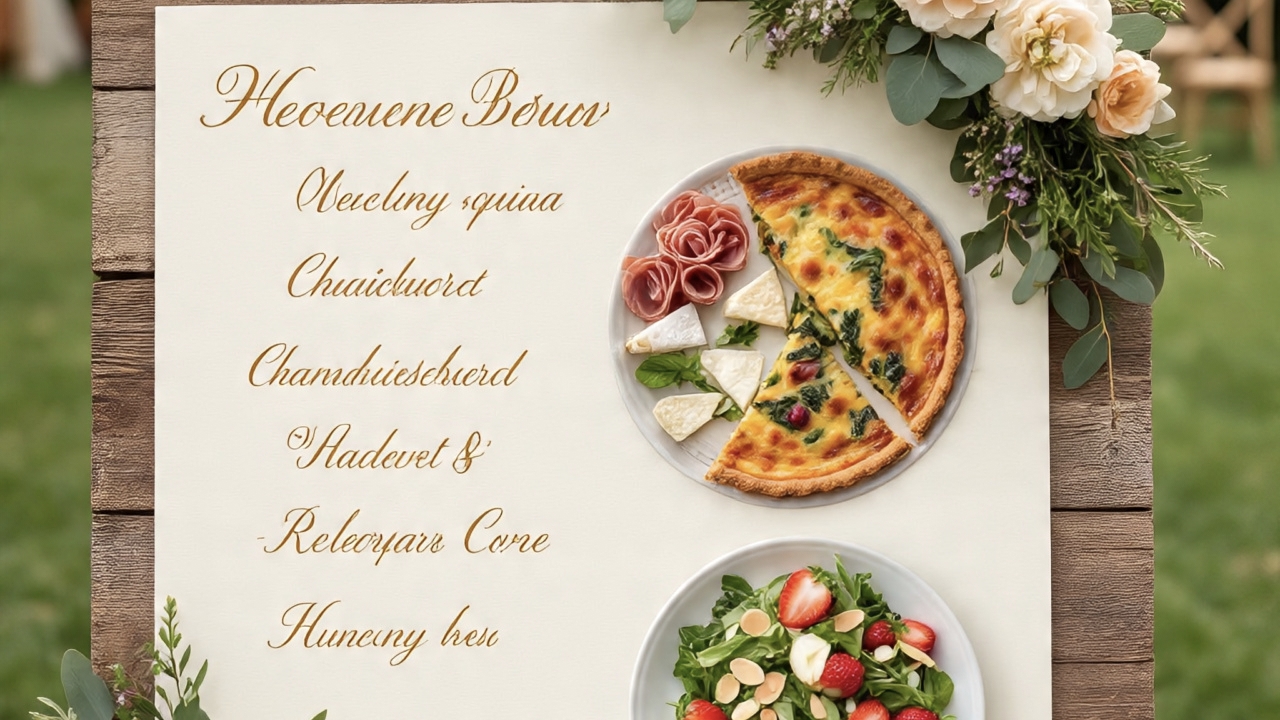
Professional catering teams treat presentation as a structured process that connects culinary technique with event design. They start plating by arranging proteins, vegetables, and starches in defined portions to keep the composition consistent. Sauces are applied either as a base or as a controlled drizzle to shape the overall look.
Garnishes vary by season; fresh herbs are common in summer, while edible flowers appear more often in spring, adding visual detail that reflects the time of year. Height is introduced through layering to create a more varied visual profile. Deliberate spacing keeps individual elements distinct, so the plate does not feel crowded.
Match Your Wedding Style
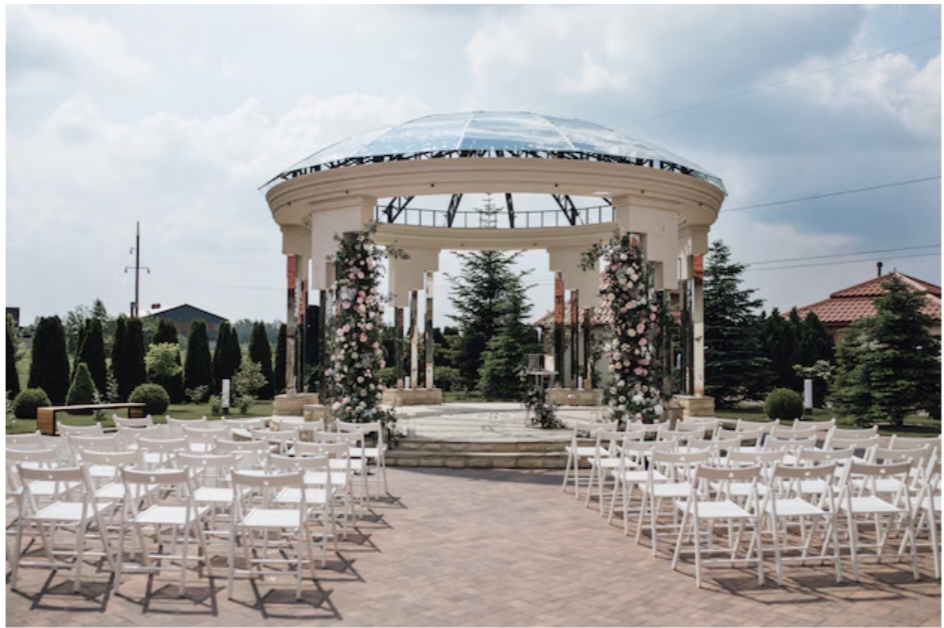
Formal indoor weddings, typically held in winter or autumn, often use a plated service with clearly defined courses. The meal is paced so each dish arrives in sequence, and richer flavors with structured plating reflect the ingredients of the season. Outdoor settings in spring or summer allow for different service styles and greater flexibility in layout. In these environments, catering teams may use buffet or shared formats, which support guest movement throughout the venue. The chosen format shapes how seasonal dishes are prepared and presented across multiple stations.
Craft a Seasonal Menu for Your Wedding Catering
Crafting a seasonal wedding menu involves selecting foods that align with personal preferences, the time of year, and the characteristics of the location. Catering teams typically evaluate ingredient availability and how different items combine when planning the menu. These factors influence how the menu is structured and how it fits within the overall event plan. Reach out to a professional catering company to begin designing a seasonal culinary plan for your wedding.