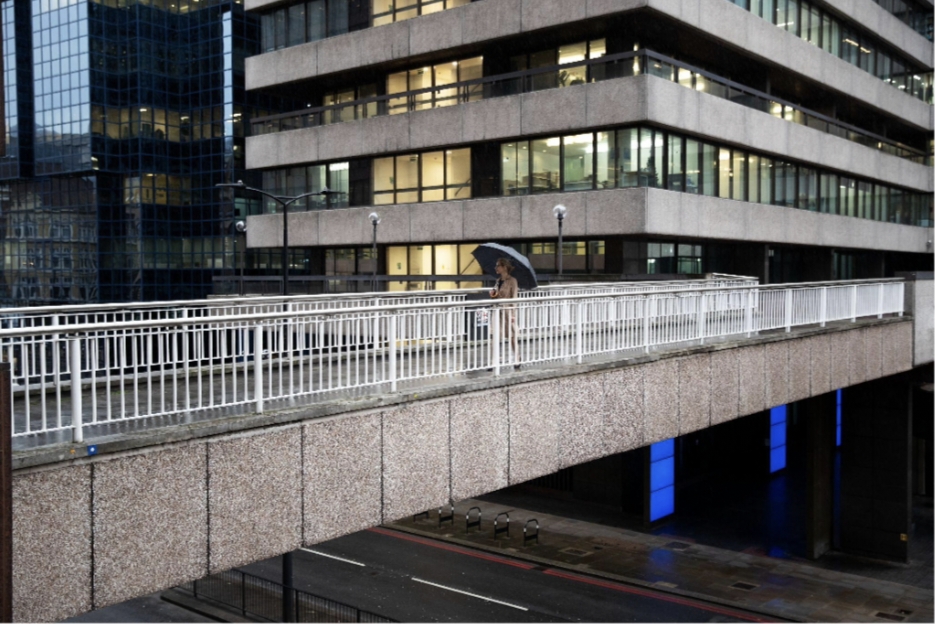
The protection of a building’s edges is integral to ensuring its overall durability and performance. A key component in achieving this protection is corner flashing. Corner flashing is essential for safeguarding against water ingress, which can cause significant structural damage over time. This guide explores the basics of corner flashing, its importance, and how it can effectively protect a building’s edges.
What is Corner Flashing?
Corner flashing is a mouldable material used at the intersections and edges of buildings. Designed to prevent water penetration, it directs water away from the structural elements. It is typically made from materials such as metal, plastic, or rubber, each offering different levels of durability and weather resistance.
The Importance of Corner Flashing
Without adequate corner flashing, moisture can seep into building joints and cause decay, mould growth, and structural weakening. By preventing such damage, corner flashing extends the lifespan of a building, maintaining its aesthetic appeal and value.
Materials Used in Corner Flashing
There are several materials commonly used in corner flashing. Aluminium and galvanised steel are popular due to their durability and resistance to corrosion. These materials are particularly effective in harsh weather conditions. Alternatively, lead and zinc offer flexibility and long-term performance but can be heavier and more expensive.
Advantages of Using Metal Flashing
Metal flashing, particularly aluminium and galvanised steel, provides superior strength and longevity. With proper installation, metal flashing can last the lifetime of a building. Its malleability allows for precise fits around complex corners and detailed architectural features.
Rubber and Plastic Alternatives
Rubber and plastic flashing, though not as long-lasting as metal, offer flexible and cost-effective solutions for building edges. These materials are lightweight, easy to install, and ideal for temporary or less exposed areas.
Installation of Corner Flashing
Correct installation is paramount for the effectiveness of corner flashing. Poorly installed flashing can lead to water ingress and structural issues. Therefore, it is advisable to hire professional installers who understand the unique needs of each building type and climate.
Common Installation Challenges
One of the main challenges in corner flashing installation is ensuring a tight seal at joints and overlaps. Gaps can allow moisture to penetrate, negating the purpose of the flashing. Access to corners in tall structures can also present difficulties, often necessitating specialised equipment and techniques.
Maintaining Corner Flashing
Regular maintenance is essential to ensure the longevity and effectiveness of corner flashing. Inspections should be conducted periodically to identify any signs of wear or damage. Re-sealing or replacing damaged flashing can prevent costly structural repairs in the future.
Signs of Flashing Failure
Signs that corner flashing may need attention include visible gaps, rust, or water stains on interior walls or ceilings. Early detection and repair can mitigate significant water damage and maintain the structural integrity of the building.
The Role of Corner Flashing in Building Safety
Beyond structural protection, corner flashing plays a crucial role in the overall safety of a building. Effective flashing can prevent mould growth, which poses health risks to occupants. By maintaining the building envelope, corner flashing contributes to a safe and healthy indoor environment.
Choosing the Right Corner Flashing for Your Project
When selecting corner flashing, consider factors such as climate, building material compatibility, and budget. Consulting with experts can help determine the most appropriate product for your specific needs, ensuring optimal performance and protection.
Upgrading Existing Flashing Systems
If a building’s existing flashing system is outdated or failing, upgrading to modern materials and techniques can enhance its protective capabilities. Modern flashing products offer improved performance and longevity compared to older solutions.
Conclusion
The use of corner flashing is an essential aspect of building construction and maintenance. By protecting against water ingress and the associated damage, corner flashing provides a vital line of defence for a building’s structural integrity. Understanding the basics of corner flashing and ensuring proper installation and maintenance are key to maximising its benefits.