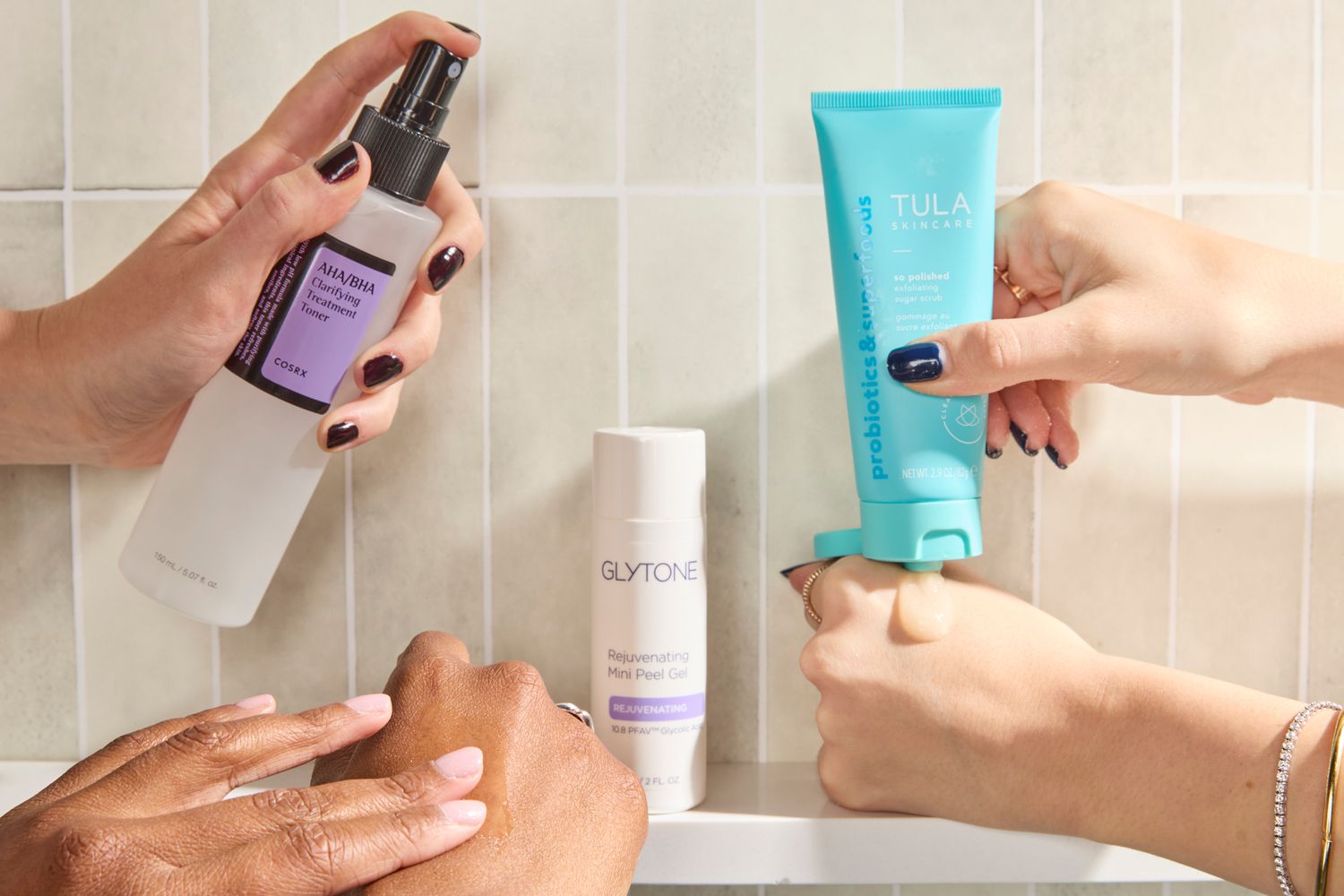
It is easy to confuse sensitive skin with weak skin. The former is a skin with a narrow tolerance window. However, that window changes with weather, stress, over-cleansing, and whatever was layered the night before.
Essentially, exfoliation is common in skincare routines. However, intention is a major factor in those cases. Moreover, if the goal is chemical exfoliation for sensitive skin, consistency is more necessary than intensity. This will ensure fewer flare-ups and resets, and a smoother path to a brighter-looking texture over time.
Major Issues with Sensitive Skin
In general, sensitive skin reacts less to a single ingredient and more to the overall load. This happens when there are too many steps, too much friction, and too many acids stacked.
This way, the barrier starts sending strong signals. Some of them are:
- Stinging on bland products
- Tightness that turns into shine
- Redness that lingers
- An itchy feeling that makes clients touch their faces without realizing it.
Hence, exfoliation in this context is not a quick fix. Rather, it is a controlled variable that must remain controlled.
Enzymes vs Acids
The debate between enzymes and acids is not about what is better in general. Rather, it is a question of what the skin can handle right now. Mostly, enzymes are gentler because they help loosen dead surface buildup without the same sting potential as some acids.
Meanwhile, acids do a lot more than surface polish. They refine the texture and tone more noticeably. However, they demand a better pacing. In fact, sensitive skin usually does better when that pacing is respected early, not post-irritation.
Why Do Enzymes Feel Safer?
Primarily, using enzymes is a safer, quieter option. They tend to work on the surface, helping the skin shed dead buildup without the same “active burn” sensation that can panic people. In fact, panic leads to scrubbing, which in turn triggers inflammation. This inflammation worsens the skin.
Enzyme exfoliation is simply a different approach. For sensitive skin, that difference might mean the routine stays stable long enough to show results, rather than cycling between glow and irritation.
Why Do Acids Require More Guardrails?
Although acids are excellent, one cannot be too casual with them. This is because they thin out the margin for error when the barrier is already stressed. If used correctly, they help smooth roughness and dullness. Also, they support a more even-looking tone.
However, if used too often, they push the skin into that reactive zone where recovery becomes the routine. That’s why chemical exfoliation for sensitive skin must be properly scheduled, not just a daily dare. The skin should feel calm after use, not toughened up.
Glycolic acid vs Lactic acid
If you are confused about Glycolic acid vs lactic acid, glycolic acid is stronger and more noticeable. Although it is effective, it can also irritate sensitive skin if frequency and barrier support are not managed well.
Meanwhile, lactic acid tends to be the more forgiving option in many routines. This is especially true when the goal is gentle refinement without triggering a cycle of redness and tightness. Also, it fits well when the skin requires softness followed by progress.
Glycolic acid vs Lactic acid vs Enzymes – A quick comparison
| Feature | Enzymes | Lactic Acid | Glycolic Acid |
| Typical feel on skin | Low sting, surface-focused | Often gentler AHA feel | More likely to tingle |
| Best for | Dullness, surface buildup | Dry-leaning sensitivity, uneven texture | More resilient skin types |
| Biggest risk | Overuse leading to dryness | Over-layering with other actives | Irritation if the cadence is too frequent |
| Good routine role | “Maintenance polish” | “Steady refinement” | “Targeted treatment,” paced carefully |
Choosing Based on Skin State
In most cases, sensitive skin might be oily, dry, combo, or reactive in waves. So the choice is not only about using a gentle product, but also about ensuring it is gentle for this week. For instance, this is helpful after travel, a peel, a cold snap, or after a breakout that got over-treated.
Enzymes usually make sense when the barrier is already complaining. Lactic acid often makes sense when the skin is stable but still needs measurable smoothing.
The Mistake of Treating Exfoliation Like a Daily Habit
Many brands market daily exfoliation as normal. That is where sensitive skin gets into trouble. The barrier does not rebuild on hype, but rest.
In fact, when exfoliation becomes daily, the skin might look brighter for a minute. Then, it will look rougher and then more reactive. After that, it might become unnecessarily oily. This happens due to dehydration and inflammation.
However, a better approach is to keep exfoliation on a cadence the skin can tolerate. Also, top COSMEDIX aestheticians use supporting steps to make exfoliation safer. This is primarily a highly clinical and monotonous process.
How to Choose the Right Exfoliant
Keeping exfoliation simple and consistent helps minimize trial-and-error — especially important for sensitive or reactive skin.
Choose enzymes when skin feels reactive, sensitized, or barrier-compromised. They provide gentle surface exfoliation while helping maintain comfort and balance.
Choose lactic acid when skin tolerates mild AHAs and needs gradual texture refinement with added hydration support.
We typically avoid recommending glycolic acid. While effective, its small molecular size can increase irritation risk, particularly for sensitive or barrier-compromised skin. We prioritize exfoliants that deliver results while supporting long-term skin health.
Keep the rest of your routine supportive on exfoliation days — hydration and barrier-strengthening ingredients help maintain balance while resurfacing.
Pairing Exfoliation with Barrier Support
Sensitive skin does not just need less exfoliation. Rather, it merely needs better pairing. In fact, exfoliation works best when the routine also supports hydration and comfort. This way, the skin will recover and look smoother rather than inflamed.
Moreover, enzymes pair well with a simple, calming routine. This is because they don’t demand as much recovery time. Meanwhile, lactic acid pairs best when the rest of the routine is not packed with competing actives.
The guiding idea is that exfoliation is a controlled stress, while barrier support is the resolution. Without resolution, even a gentle exfoliant becomes a problem.
Choose Carefully!
Choosing the right exfoliant for sensitive skin is mostly about timing and restraint. It is not about chasing the strongest option. Of course, enzymes can be a smart entry point when the barrier is reactive. Also, lactic acid can be the steady middle ground when the goal is visible refinement without escalating sensitivity. Glycolic acid can still have a place, but it should be treated as a paced step for skin that has earned it. If the goal is chemical exfoliation for sensitive skin, the best strategy is controlled cadence, minimal stacking, and a long-term routine.