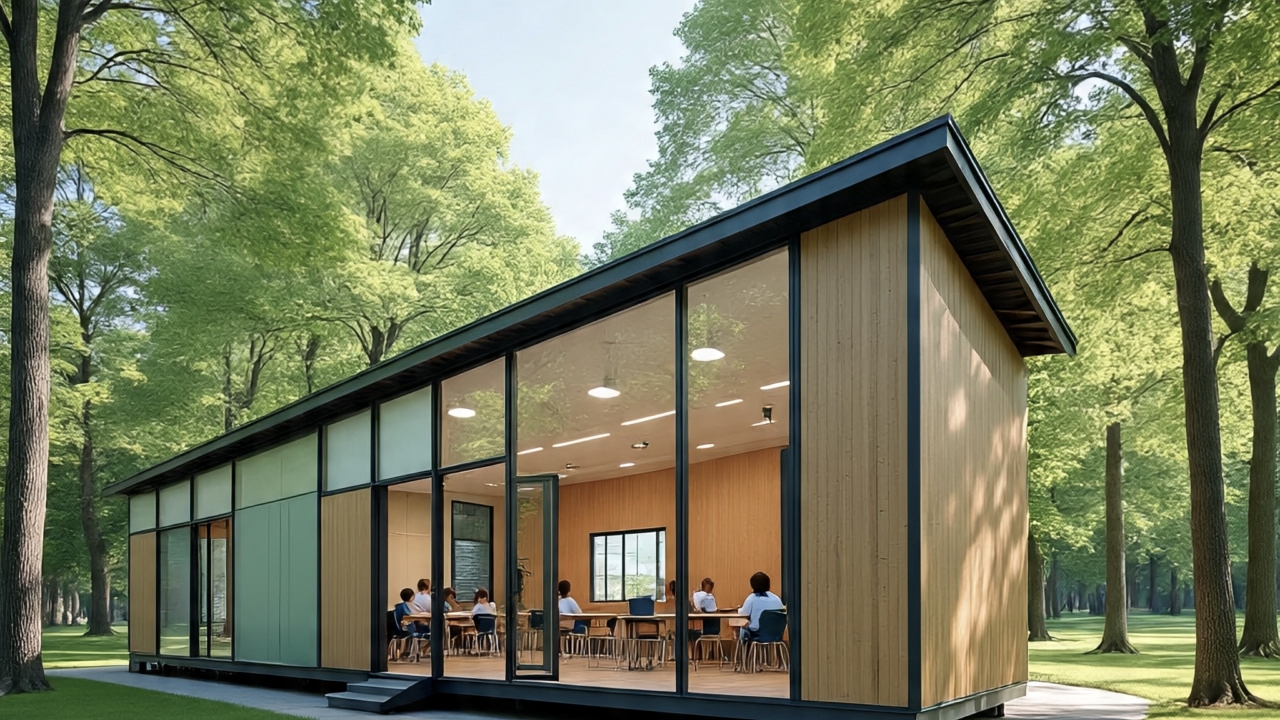
Some schools experience an increase in enrollment while having limited space to support infrastructure growth. Administrators have to find ways to manage higher enrollment without compromising learning quality. Modular building suppliers offer portable classrooms that help schools continue instruction without interruption during periods of growth or renovation. Here are a few ways that portable classrooms help address space shortages in the education sector:
Increasing Capacity With Non-Permanent Construction
School districts may experience challenges like limited land when trying to accommodate an influx of students. Conventional construction sometimes proves untenable; this is because it requires longer building durations and intrusive on-site processes. Modular building contractors construct adaptable structures that schools can install more quickly than traditional buildings.
Portable classrooms provide ready-to-use learning spaces while meeting applicable building and safety standards. Modular classroom buildings are typically manufactured in controlled factory settings, which helps provide consistent quality and compliance with building codes. Installation crews prepare sites in advance to minimize campus disruption, and in many cases, classrooms can be ready for use within a few weeks, depending on project scope and local approvals.
Modular classrooms are designed to support specific curriculum requirements. Available configurations include specialized spaces such as science labs, technology rooms, and testing centers. Modular systems allow schools to expand program offerings even when space in existing permanent buildings is limited. Modular classroom systems help support academic planning despite enrollment uncertainties.
Enabling Flexible Learning Spaces
Curriculum changes that integrate technologies such as internet connectivity, projectors, and smartboards may require different classroom layouts. The flexibility of portable classrooms allows a single module to support multiple lessons that require technology-intensive instruction. Instead of constructing new permanent classrooms for technology-intensive learning, schools add multipurpose portable classrooms to use space more efficiently.
Designers incorporate the necessary infrastructure during the fabrication of modular classrooms. They install features such as data cabling and electrical systems, and these features support the technology requirements of modern curricula. This enables instructors to teach in classrooms equipped for digital learning.
Instructors can use one modular class to teach different lessons while leveraging the fitted appliances. Some modular designs optimize lighting and acoustics, making them suitable for activities such as library sessions or evening classes. Certain compliance features, like handrails and ramps, are also able to be added. Adjustments made to portable facilities help schools adapt to evolving instructional practices despite space shortages.
Expanding Without Disruption
Growing student populations can lead to overcrowding. Permanent structures need more space on-site for laying construction materials. Such space for construction materials may be unavailable when schools have limited space. Construction in confined areas can disrupt learning due to noise from machinery and equipment.
Instead of building new permanent structures that require additional space and generate on-site noise, institutions opt for modular solutions. Because modular buildings are constructed off-site, schools avoid much of the on-campus noise and disruption associated with traditional construction. The modular classes provide a solution to overcrowding despite space limitations. The fast design and installation of modular structures help schools respond to rapid student population growth and reduce overcrowding.
Facilitating Temporary Growth
Renovation projects may curtail learning space for students. When space is limited, students need to share classrooms or face disruptions to their daily schedules. During upgrades or safety improvements, schools often aim to avoid interrupting instruction. Portable units provide temporary classrooms that allow instruction to continue during renovations. The units allow administrators to plan renovations without overcrowding the remaining buildings. Modular building teams install units quickly, verifying students have suitable spaces to continue learning during renovations. Modular spaces enable learners to keep up with the instructional schedule during building periods. Once renovations are completed, schools are able to move or reuse units.
Use Portable Classrooms Today
Schools are able to use scalable infrastructure, such as portable classrooms, to support expansion aligned with curriculum requirements. Modular experts provide a customized environment that aligns with changing academic needs. Many modular providers serve sectors such as education, healthcare, government, and business. Suppliers of modular solutions help schools meet short and long term space requirements. They prioritize speed, safety, and technology integration when manufacturing modular classrooms. Contact providers of portable classrooms today to learn how modular buildings can create opportunities to address space challenges at your school.